




Upgrade 1: Prioritise Hot and Freshly Cooked
The single most important rule for monsoon street food is to eat what's cooked right in front of you. The high humidity and moisture in the air allow bacteria to multiply rapidly on food left at room temperature. Opting for snacks that are served piping
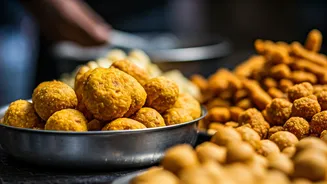
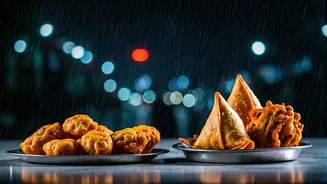
hot, straight from the fryer or grill, significantly reduces your risk. Heat is a powerful steriliser that kills many of the organisms responsible for common monsoon illnesses like food poisoning and diarrhoea. So, that freshly fried samosa, vada pav, or bhajiya is a much safer bet than pre-made chaat or sandwiches that have been sitting out. Think of it as choosing active cooking over passive storage.
Upgrade 2: Choose Steamed and Roasted Options
While deep-fried snacks are a classic rainy-day indulgence, they aren't the only safe option. In fact, steamed and roasted foods can be even safer. Steamed items like idlis and momos are cooked at high temperatures, making them relatively low-risk. Similarly, a roasted bhutta (corn on the cob), grilled directly on coals and seasoned before your eyes, is a quintessential and safe monsoon delight. These cooking methods avoid the issue of old, repeatedly used frying oil and are often lighter on the stomach, which can be a bonus during a season known for digestive sluggishness.
Upgrade 3: Be Wary of Water and Chutneys
One of the biggest culprits behind monsoon illnesses is contaminated water. Heavy rains can compromise water supply lines, leading to a spike in waterborne diseases like typhoid, cholera, and hepatitis A. This makes any street food item involving uncooked water a major risk. Avoid pani puri, pre-cut fruits washed in local water, and juices or beverages made with local ice. Even the seemingly harmless chutneys served with snacks can be a problem if made with unsafe water. A smart upgrade is to opt for dry snacks, ask for dishes without watery chutneys, or choose vendors who use bottled water—a sign of higher hygiene standards.
Upgrade 4: Become a Stall Inspector
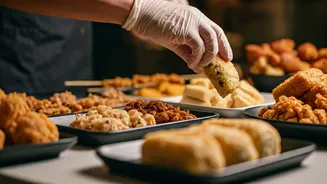
You can tell a lot about food safety just by observing the vendor's setup. Before you order, take a moment to assess the stall's hygiene. Is the cart clean and located away from overflowing drains or garbage piles? Does the vendor have separate utensils for raw and cooked food to prevent cross-contamination? A crucial sign is visible hand-washing facilities. A vendor who washes their hands, wears gloves, and keeps food covered to protect it from flies and dust is demonstrating a commitment to safety. Looking for an FSSAI license is also a good indicator of a vendor following basic safety standards.
Upgrade 5: Recreate the Experience at Home
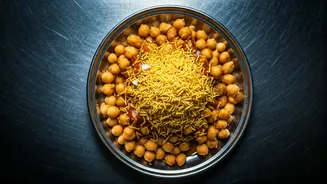
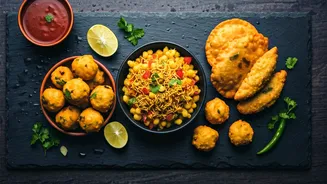
Sometimes, the best upgrade is bringing the street-style experience into your own kitchen. This gives you complete control over the quality of ingredients, oil, and water, eliminating all hygiene risks. Making popular snacks like pakoras, bhel puri, or even pav bhaji at home can be a fun activity. You can customise the spice levels and ensure everything is fresh. This doesn't mean giving up on street food entirely, but on days when the rain is particularly heavy or you're feeling extra cautious, a homemade version offers the same comfort without the worry. It's about capturing the flavour and feeling of the monsoon, safely.