






Why Recovery is Not Optional
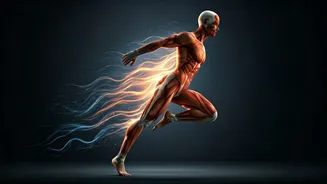
Many of us think of fitness as a two-part equation: exercise and diet. But there’s a crucial third component that unlocks the benefits of the other two: recovery. When you exercise, especially with resistance training, you’re creating microscopic tears
in your muscle fibres. This stress is the signal for your body to adapt. Recovery is the process where your body not only repairs that damage but also rebuilds the muscles to be stronger and more resilient than before. Without adequate recovery, you're essentially just breaking your body down without giving it the chance to build back up. This can lead to plateaus in performance, increased risk of injury, and chronic fatigue. Think of recovery not as a break from training, but as an essential part of the training cycle itself.
The Pillars: Sleep and Nutrition
Before we get into fancy tools and techniques, let's master the basics. The two most powerful recovery tools you have are sleep and nutrition, and they are non-negotiable. During deep sleep, your body releases human growth hormone (HGH), which is critical for tissue repair and muscle growth. Consistently getting 7-9 hours of quality sleep per night is one of the most effective things you can do to boost recovery. Nutrition provides the building blocks for this repair. After a workout, your body needs two main things: protein to repair the muscle fibres and carbohydrates to replenish the glycogen (your muscles' primary fuel source) you just burned. Consuming a balanced meal with adequate protein and complex carbs within a few hours of your workout can significantly speed up the recovery process. Don't forget hydration, either. Water is essential for transporting nutrients and flushing out metabolic waste products from your muscles.
Active Recovery: The Art of Moving Gently
A rest day doesn't always have to mean sitting on the couch. Enter 'active recovery'—low-intensity exercise performed on your days off. The goal here isn’t to challenge your body but to gently stimulate it. Activities like a brisk walk, a leisurely swim, a gentle yoga session, or a slow bike ride can be incredibly beneficial. This light movement increases blood flow to your muscles, which helps deliver oxygen and nutrients while clearing out waste products like lactic acid that contribute to soreness. Active recovery can help you feel less stiff, reduce muscle soreness (a phenomenon known as Delayed Onset Muscle Soreness or DOMS), and keep you feeling connected to your body without adding more training stress. It’s about promoting healing, not creating more damage.
Your Recovery Toolkit
Once your sleep and nutrition are in order, you can explore other techniques to enhance recovery. These aren't magic bullets, but they can be valuable additions to your routine. - **Foam Rolling:** This self-myofascial release technique can help ease muscle tightness, reduce soreness, and improve your range of motion. Think of it as a deep-tissue massage you can do yourself. - **Stretching:** Static stretching (holding a stretch for 20-30 seconds) after a workout or on rest days can help improve flexibility and relieve muscle tension. - **Contrast Water Therapy:** Alternating between hot and cold water (like in a shower) can help stimulate blood flow and reduce inflammation. Cold plunges or ice baths are a more extreme version, popular among athletes for their anti-inflammatory effects. - **Massage:** A professional sports massage can target specific areas of tension and soreness, promoting relaxation and blood flow.
Listen to Your Body’s Signals
Perhaps the most advanced recovery technique is simply learning to listen to your body. Our bodies are constantly giving us feedback. Signs of under-recovery or overtraining include persistent and severe muscle soreness, elevated resting heart rate, trouble sleeping, decreased motivation, frequent illness, and a drop in performance. Pushing through these signals is a recipe for burnout or injury. A fitness tracker can help monitor metrics like sleep quality and heart rate variability (HRV), but nothing beats your own intuition. If you feel unusually exhausted, it’s okay to take an extra rest day or swap a high-intensity session for some light active recovery. Smart training is sustainable training.