





The Soul of Odisha on Canvas
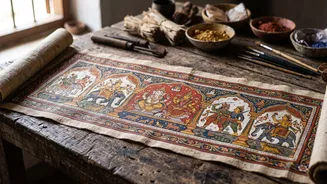
Pattachitra is one of India’s most ancient and treasured art forms, originating in Odisha as early as the 5th century. The name itself, derived from the Sanskrit words 'patta' (cloth) and 'chitra' (picture), translates to 'painting on cloth'. But this
description barely scratches the surface of its profound significance. Deeply intertwined with the worship of Lord Jagannath in Puri, these paintings were historically used in temple rituals, especially during periods when the temple deities were removed from public view. Artists, known as 'Chitrakars', use all-natural materials to bring mythological epics to life. Canvases are made from cotton cloth stiffened with tamarind seed paste and chalk powder, while pigments are derived from ground minerals, shells, and plants. The result is a vibrant, intricate narrative, typically depicting scenes from the Ramayana, Mahabharata, or the life of Lord Krishna, all framed by elaborate floral borders.
Welcome to Raghurajpur, the Heritage Village
Just 14 kilometres from the bustling temple town of Puri lies Raghurajpur, a serene village that lives and breathes art. Recognised as Odisha's first heritage crafts village, it is the epicentre of Pattachitra painting. Walking through its two main streets is like entering an open-air gallery. The walls of over 120 homes are adorned with colourful murals, and almost every household functions as an artist's studio. Here, you'll find generations of artisans dedicated to preserving not only Pattachitra but a host of other traditional crafts like palm leaf engraving (Tala Pattachitra), Tussar silk painting, stone carving, and creating papier-mâché masks. The village is not just a production hub; it's a community dedicated to a centuries-old legacy, offering an authentic glimpse into the life of an artisan. It is also the birthplace of the legendary Odissi dancer Guru Kelucharan Mohapatra, cementing its status as a cradle of Odishan culture.
What to Expect on a Craft Tour
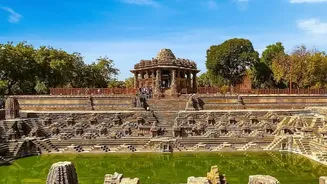
A five-day temple and craft tour is designed for deep immersion, not just sightseeing. The journey typically begins in Bhubaneswar, the state capital, before moving to the coastal town of Puri, which serves as a base. A significant portion of the tour is dedicated to Raghurajpur, where visitors can do more than just observe. Many artisans welcome travellers into their homes, offering impromptu workshops where you can learn the basics of Pattachitra, from preparing the canvas to drawing the initial outlines and applying the natural colours. Beyond the craft village, the itinerary connects the art to its spiritual roots with visits to iconic temples. The Jagannath Temple in Puri is central to the experience, given its historical link to Pattachitra's origins. Other key stops often include the magnificent Konark Sun Temple, a UNESCO World Heritage Site, and the ancient temples of Bhubaneswar, such as the Lingaraj and Mukteswar temples.
More Than Just Paintings
While Pattachitra is the star attraction, an Odisha craft tour reveals a much wider artistic landscape. In the village of Pipili, located between Bhubaneswar and Puri, you'll discover the vibrant world of appliqué work, where colourful fabrics are stitched into intricate patterns for umbrellas, canopies, and wall hangings. Depending on the specific tour, you might also encounter the delicate art of silver filigree (Tarakasi) in Cuttack, tribal Dhokra metal casting, or the eco-friendly craft of Sabai grass weaving. This diverse exposure highlights the incredible depth of Odisha's artisanal traditions. The tour often includes a visit to Chilika Lake, Asia's largest brackish water lagoon, offering a natural interlude with opportunities for boating and spotting Irrawaddy dolphins.