




First, Become a Light Detective
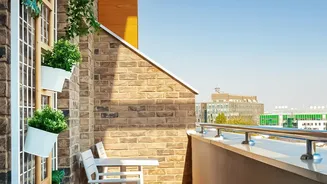
Before buying a single plant, the most crucial step is to understand the light your balcony receives. This is the number one rule of successful container gardening. Most plant deaths on balconies aren't due to neglect, but a mismatch between the plant's
needs and its environment. Spend a day observing your space. Does it get direct, intense sun for most of the afternoon? That's 'full sun', meaning six or more hours of direct rays. Is it bright all day but without harsh, direct beams? That’s 'bright, indirect light'. Or does it only get a couple of hours of morning sun, or is it shaded by another building? That would be 'partial shade' or 'full shade'. Knowing your specific conditions—whether your balcony faces north, south, east, or west—is the key that unlocks all your future planting decisions.
Match the Plant to the Place
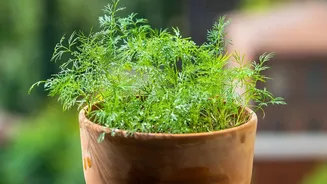
Once you know your light conditions, you can choose plants that will naturally thrive. Fighting your environment is a recipe for frustration. For sun-drenched, south- or west-facing balconies, embrace the light with sun-loving plants like petunias, lavender, rosemary, tomatoes, and peppers. These varieties need that intensity to produce flowers and fruit. For balconies with partial shade, often those facing east or with some overhead cover, you have a wealth of options. Plants like impatiens, ferns, lettuce, and many herbs will flourish. Even balconies that are mostly in shade can be green oases. North-facing spaces are perfect for lush foliage plants like hostas, pothos, and ivy, which prefer gentle, indirect light and can get scorched by the intense sun. Grouping plants with similar light and water needs also simplifies care.
The Golden Rules of Watering
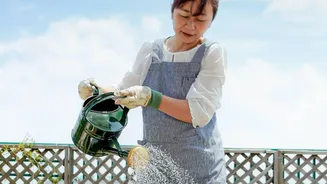
Overwatering is the most common killer of container plants. Forget a rigid schedule like 'water every other day'. Instead, learn to 'ask' your plants if they're thirsty. The best way is the finger test: stick your index finger about two inches into the soil. If it comes out dry, it's time to water. If it's moist, wait another day and check again. When you do water, do it thoroughly. Pour water slowly until it runs out of the drainage holes at the bottom of the pot. This ensures the entire root ball gets hydrated. Then, be sure to empty any saucer underneath the pot so the plant isn't sitting in a puddle, which can lead to root rot. Watering in the morning is ideal, as it allows the plant to absorb moisture before the heat of the day and reduces evaporation.
Create a Flexible Routine
While a rigid schedule is out, a routine is in. A daily 'wet check' is a great habit, especially in summer. Several factors influence how often you'll need to water. Hot, windy days can dry out pots very quickly. The size and material of your pot also matter. Smaller pots dry out much faster than larger ones, which is why experts recommend containers that are at least 12 inches in diameter for outdoor use. Your watering routine will also change with the seasons. Plants need more water during the active growing periods of spring and summer, and much less in the cooler months of autumn and winter when their growth slows. The key is consistent observation. By checking your plants regularly, you'll develop an instinct for their needs that is far more reliable than any generic rule.
Beyond the Basics: Pots and Drainage
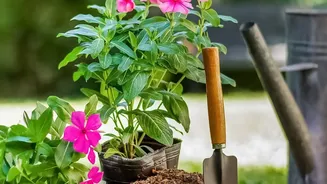
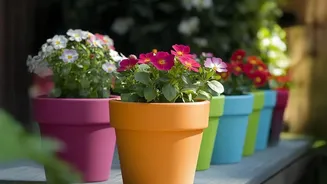
While light and water are the two main pillars, a few other simple details can make a huge difference. First, every pot must have a drainage hole. Without it, water will pool at the bottom, and roots will rot, no matter how carefully you water. If a decorative pot you love doesn't have a hole, you can either drill one yourself or use it as a 'cachepot' by placing a smaller plastic pot with drainage inside it. Secondly, use potting mix, not garden soil. Soil from a garden is too dense and compacts in containers, strangling roots. Bagged potting mix is specifically designed to be lighter and allow for better aeration and drainage, giving your balcony plants the foundation they need to succeed.