



The Heavy-Lift Revolution Changes the Equation
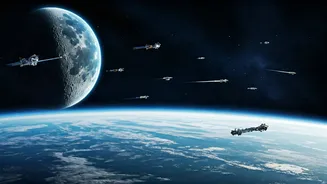
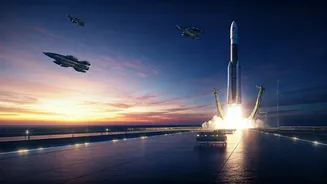
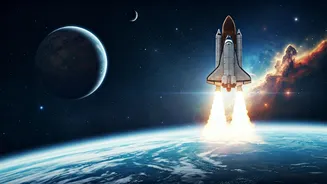
For decades, the cost of escaping Earth's gravity has been the single biggest barrier to a true space economy. The year 2026 marks a turning point, largely driven by the maturation of fully reusable heavy-lift rockets. SpaceX's Starship, the world's most
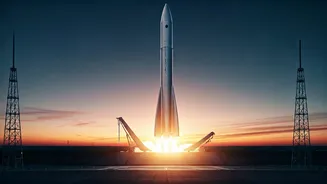
powerful launch vehicle, is making significant strides. A test flight in May 2026 successfully demonstrated mock satellite deployment and a controlled splashdown, key milestones for its operational future. While still in development, with 12 launches as of May 2026, the system is designed to carry over 100 metric tons to orbit, drastically lowering the cost per kilogram. This isn't a one-company race. Blue Origin's New Glenn rocket, a reusable heavy-lifter in its own right, achieved orbit on its first flight in January 2025 and is slated for more missions, including for commercial customers and NASA. The first successful landing of its booster occurred in November 2025, proving its reuse capability. This growing competition in reusable launch technology is the foundational layer upon which a new, more accessible space industry is being built.
A Return to the Moon, This Time to Stay
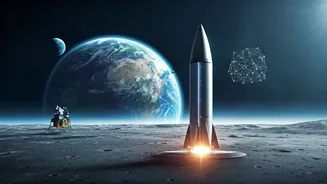
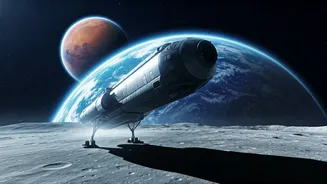
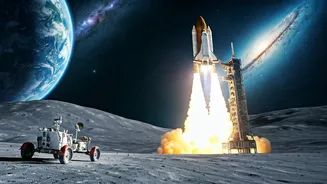
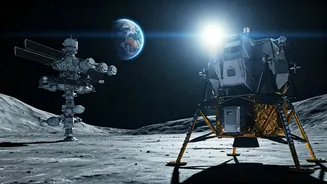
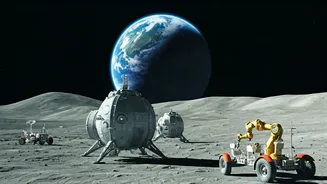
After a 50-year hiatus, humanity is returning to the Moon, and 2026 is a critical year for the effort. NASA's Artemis program is the public face of this return, with the successful Artemis II mission in April 2026 sending four astronauts on a fly-by, the first crewed flight beyond low Earth orbit since 1972. While the first lunar landing since Apollo, Artemis IV, is now planned for 2028, 2026 is packed with crucial precursor activity. The European Space Agency (ESA) is a key partner, providing the service module that powers the Orion spacecraft. This international collaboration is supported by a fleet of robotic missions from various nations and private companies planned for 2026. China's Chang'e 7 mission is expected to launch for the lunar south pole to search for water ice. These missions aren't just about exploration; they are about prospecting for resources and establishing the infrastructure for a permanent human presence and a future lunar economy.
The Low Earth Orbit (LEO) Gold Rush
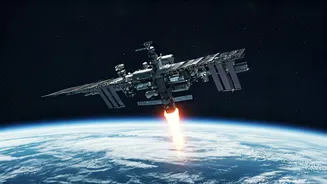
While the Moon captures headlines, a commercial revolution is happening closer to home. Low Earth Orbit is becoming a bustling hub of activity, with 2026 marking a key phase in its development. With the International Space Station (ISS) set for retirement around 2030, a new generation of private space stations is in the works. Companies like Vast, Axiom Space, and the Starlab joint venture are developing commercial outposts. Vast's Haven-1, potentially the first standalone commercial station, was initially targeting a 2026 launch, though that has been updated to early 2027. NASA is shifting from being an owner-operator to a customer, a move intended to create a competitive market for orbital destinations. The agency faces a critical decision point in 2027 to assess if these commercial stations will be ready in time. This transition is creating a potential multi-billion dollar market for in-space research, manufacturing, and tourism.
A Truly Global Space Race
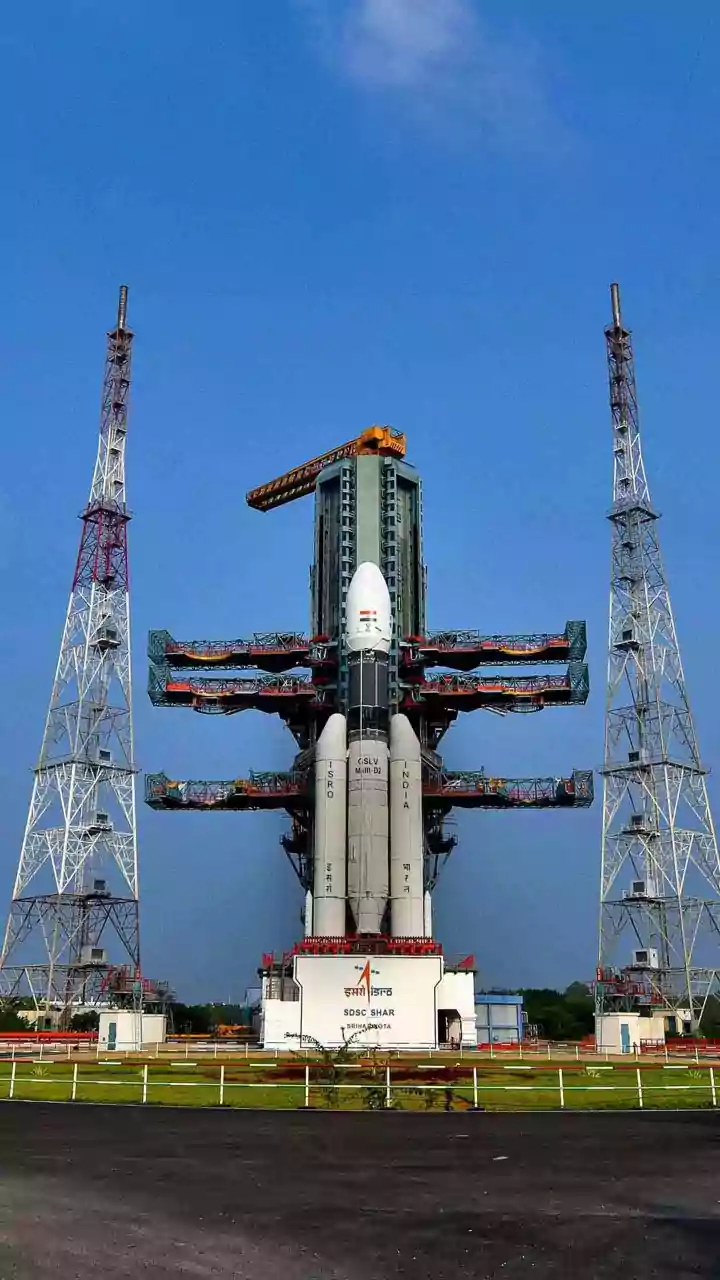
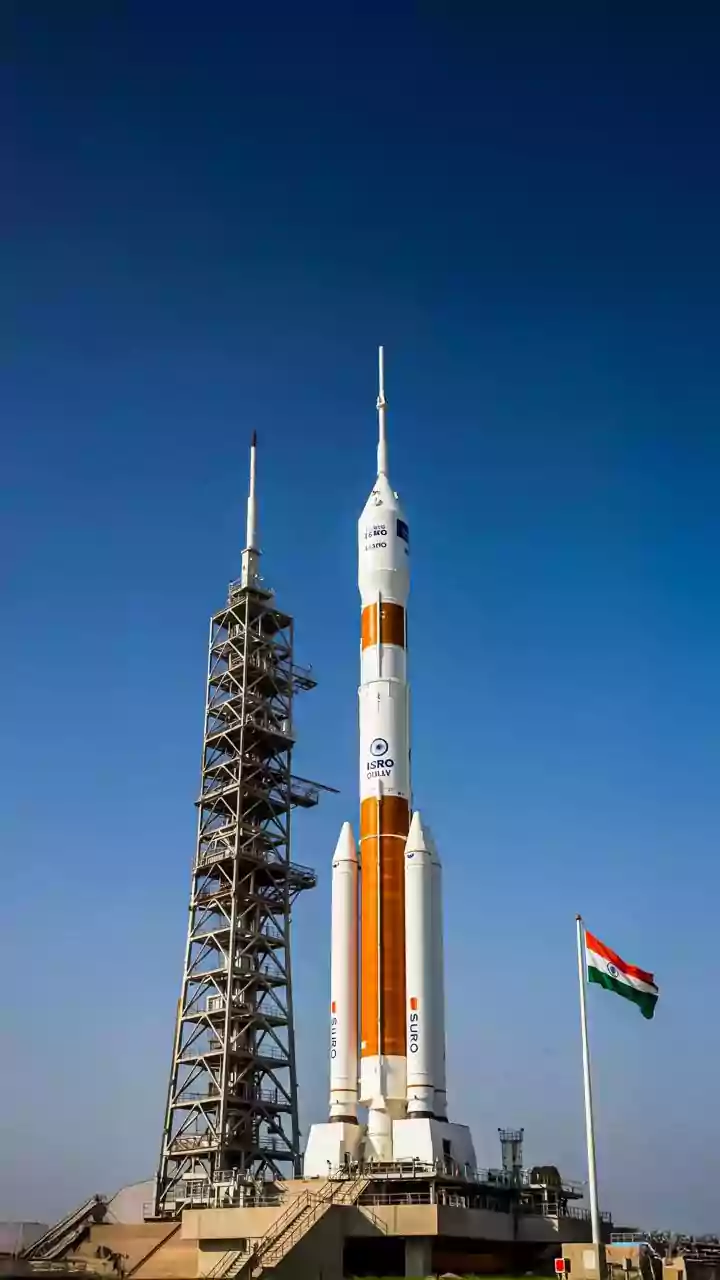
The acceleration in space is not limited to the United States. In 2026, space innovation is a global phenomenon. The European Space Agency announced a record 65 missions planned for the year, including the first flight of its heavy-lift Ariane 64 rocket and the arrival of the Hera spacecraft at the asteroid Dimorphos to study the results of NASA's DART deflection test. India's space program is also hitting a new gear. The Indian Space Research Organisation (ISRO) is planning numerous missions, including key uncrewed test flights for its Gaganyaan human spaceflight program. India's space startup scene has also grown exponentially, with over 400 active firms by early 2026. Japan's JAXA plans to launch its Martian Moons eXploration (MMX) mission in November 2026, which aims to land on Mars's moon Phobos and return a sample. This multi-polar landscape is fostering competition and collaboration, pushing the boundaries of what's possible.