



Start with a Smarter Wash
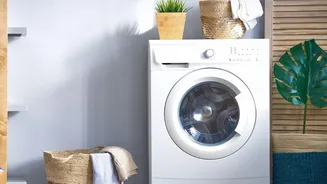
Effective drying begins in the washing machine. Overloading the machine prevents clothes from rinsing properly and getting spun effectively. It's better to wash smaller loads more frequently. This allows each item to move freely, getting cleaner and shedding
more water during the spin cycle. When you get caught in a downpour, wash those rain-soaked clothes immediately to prevent mildew and odours from setting in. Consider using an antibacterial detergent or adding a capful of white vinegar to the rinse cycle; vinegar acts as a natural disinfectant and fabric softener, helping to eliminate odour-causing bacteria.
Master the Art of Indoor Hanging
With sunlight being a rare guest, indoor drying is the default for months. The key is to maximize airflow. When hanging clothes on a rack, ensure there's at least an inch of space between each item. Crowding the rack traps moisture and slows down drying significantly. Hang clothes on individual hangers whenever possible, as this exposes more surface area to the air. Place your drying rack in a well-ventilated area, like near a window you can occasionally open, or in a larger room rather than a damp corner. Avoid drying clothes in the kitchen or bathroom, as these areas already have higher humidity levels.
Harness the Power of Air Circulation
Moving air is your best friend for speeding up evaporation. Position a pedestal or table fan to blow air across the clothes on your drying rack. This constant circulation helps whisk away the moist air surrounding the wet fabric, dramatically cutting down drying time. For an even more powerful solution, consider investing in a dehumidifier. These appliances are designed to pull moisture directly out of the air, creating a less humid environment that is ideal for drying laundry. Placing a dehumidifier in a closed room with your wet clothes can dry a load in a matter of hours. Even running an air conditioner can help, as AC units also work by removing humidity from the air.
Extra Hacks for Stubborn Dampness
For thicker items like jeans or towels that refuse to dry, a few tricks can help. One popular method is to run an extra spin cycle in your washing machine to wring out as much water as possible before hanging. Another trick is the towel method: lay a damp garment flat on a thick, dry towel, roll them up together tightly, and press down. The towel will absorb a significant amount of excess moisture. If clothes are just slightly damp, you can iron them on a low to medium heat setting. This not only removes the last bit of moisture but also kills any lingering bacteria and leaves clothes feeling crisp.
Keep Clothes Fresh in Storage
Even perfectly dry clothes can absorb a musty smell if stored in a damp wardrobe. During the monsoon, it's important to ensure your cupboards are well-ventilated. You can place moisture absorbers like silica gel packets, camphor balls, or even bowls of rock salt inside to combat humidity. Camphor is a traditional and effective option in India, acting as a natural pest repellent while keeping fungus away. Avoid overcrowding shelves to allow air to circulate around your clothes. On the rare sunny day, take the opportunity to air out your clothes and your wardrobe to keep everything fresh.