


The Rise of the Hybrid Hero
For years, beauty routines were a sequence of distinct steps: skincare to treat, sunscreen to protect, and makeup to conceal. But a new wave of products is challenging that separation, leading to a trend widely known as the "skinification" of makeup.
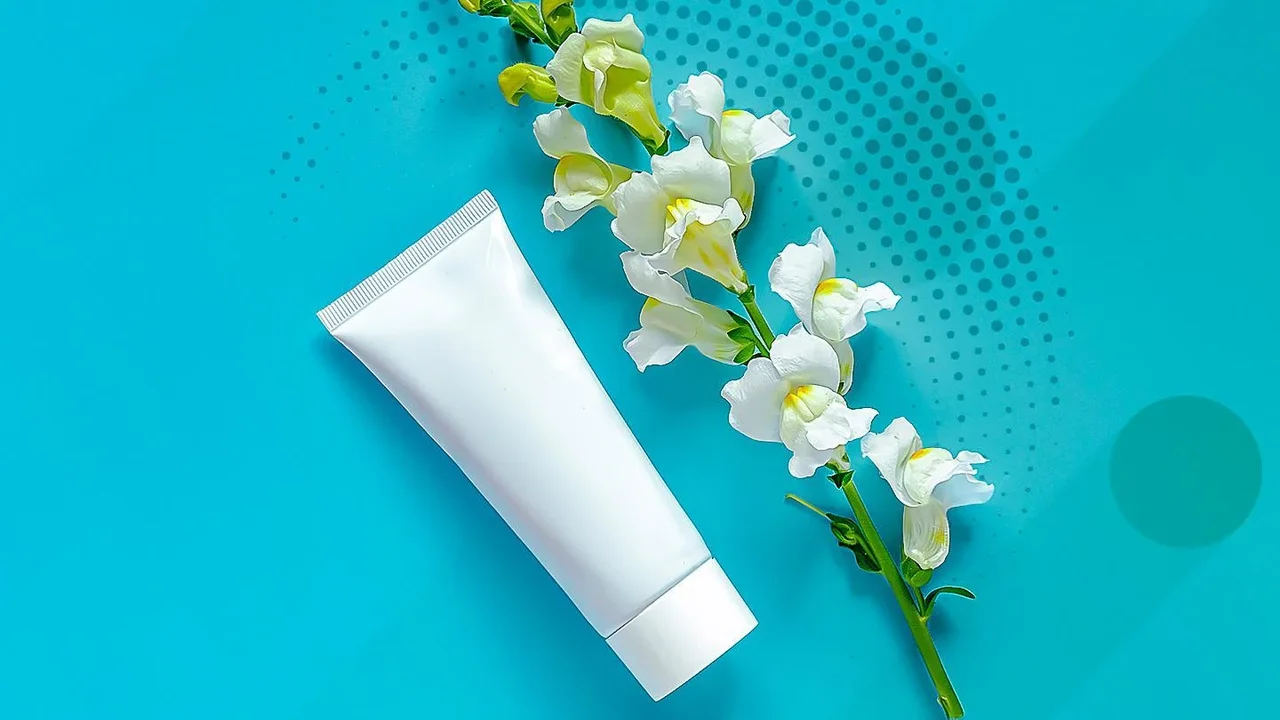
This movement prioritizes makeup formulas that are not only aesthetically pleasing but are also packed with beneficial ingredients traditionally found in skincare. Leading this charge is the tinted sunscreen, a product that combines broad-spectrum UV protection with a sheer wash of color. It represents a consumer-driven shift towards wanting more from our products: efficiency, health benefits, and a natural finish that enhances rather than masks. Instead of layering multiple products, consumers are reaching for a single tube that does the job of three.
More Than Just Sun Protection
While the primary function of any SPF product is to shield skin from harmful UVA and UVB rays, the benefits of modern tinted sunscreens go much further. The tint itself, usually created with mineral pigments like iron oxides, serves a dual purpose. First, it offers light, breathable coverage that helps even out skin tone, soften redness, and blur minor imperfections without the heavy feel of a traditional foundation. This allows your natural skin to shine through for a polished yet authentic look. Second, and perhaps more importantly for skin health, these iron oxides help protect the skin from visible light, including blue light from screens, which is increasingly linked to concerns like stubborn hyperpigmentation and melasma. Many formulas are also enriched with powerhouse skincare ingredients like hyaluronic acid for hydration, niacinamide to support the skin barrier, and various antioxidants to fight environmental damage.
Tinted SPF vs. Foundation: What’s the Difference?
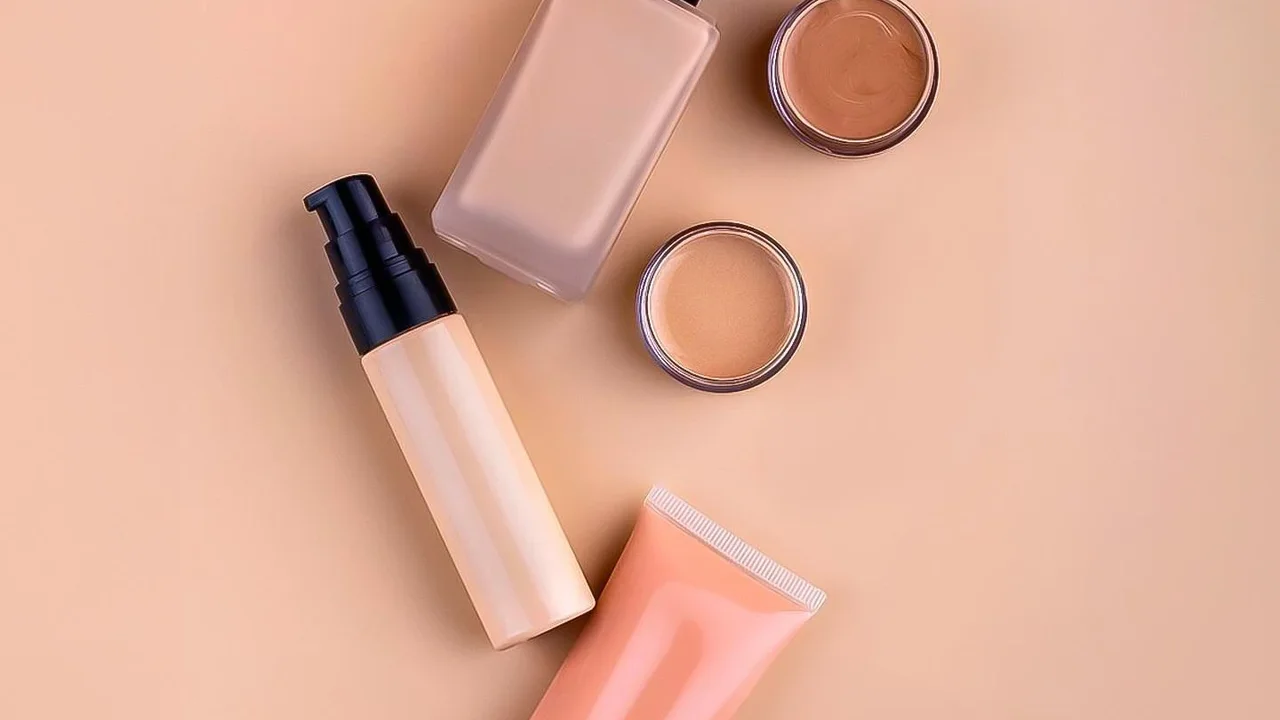
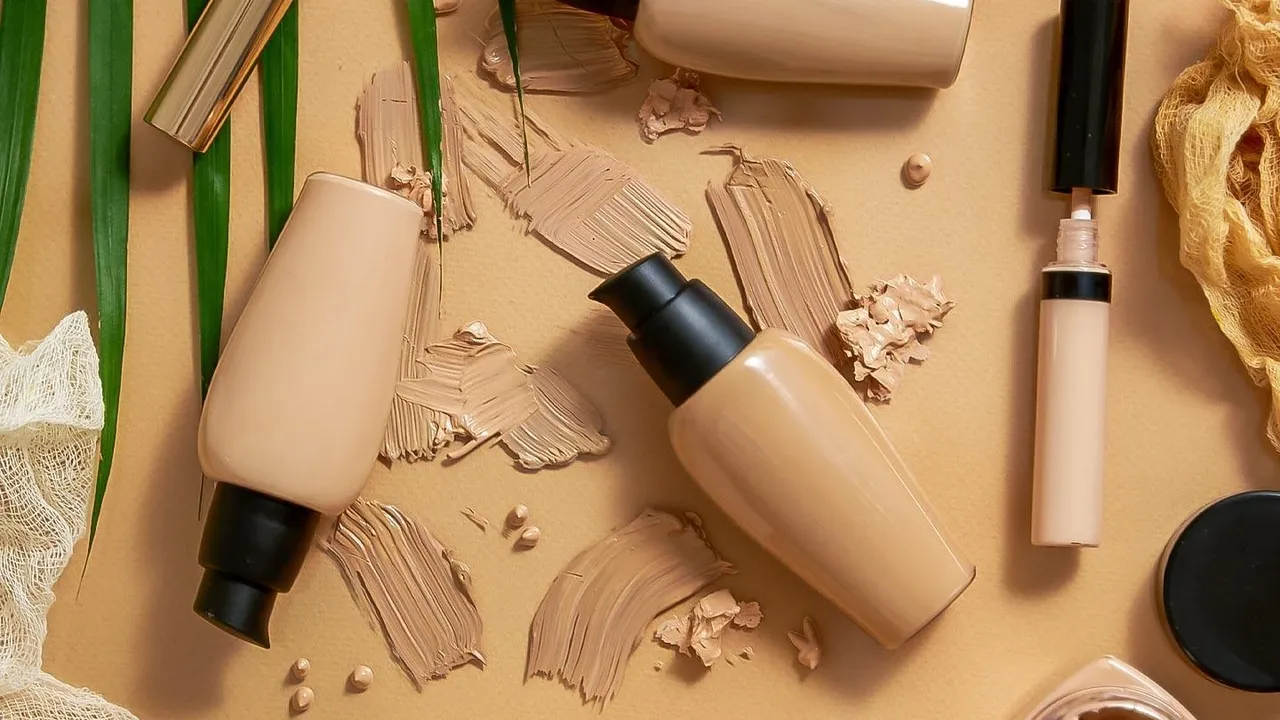
The key difference lies in their primary purpose. A tinted sunscreen is a skincare product first and a cosmetic second. Its main job is sun protection, and formulas are designed to be effective when applied at the necessary amount—about a quarter-teaspoon for the face. A foundation, even one containing SPF, is engineered for coverage. The problem is, most people apply far less foundation than the amount required to achieve the stated SPF on the label, resulting in significantly less protection than they think. Tinted sunscreens offer sheer to light coverage, making them feel lightweight and comfortable for everyday wear, especially in warmer weather. Foundation provides medium to full coverage designed to conceal more significant blemishes or create a flawless canvas for special events. Think of tinted SPF as your daily go-to for a healthy glow and reliable protection, and foundation as your tool for moments that call for a more perfected finish.
Is It as Effective as Regular Sunscreen?
This is a crucial question, and the answer is a resounding yes—provided you use it correctly. The pigments in a tinted sunscreen do not interfere with the efficacy of its UV filters. A tinted SPF 30 offers the same level of broad-spectrum protection against UVA and UVB rays as an untinted SPF 30. The challenge is application. To get the full protection promised on the bottle, you must apply a liberal amount. Many people are tempted to use less tinted product because of the color, applying it sparingly like a foundation. This user error is the biggest risk. To ensure you're protected, measure out about two finger-lengths of product for your face and neck. Apply it generously and evenly, and don't forget to reapply at least every two hours during sun exposure.
How to Find Your Perfect Match
Choosing the right tinted SPF involves more than just shade selection. First, consider your skin type. If you have oily or acne-prone skin, look for a lightweight, non-comedogenic formula with a matte or natural finish. Those with dry skin might prefer a more radiant or dewy finish with added hydrators like hyaluronic acid. Next, ensure the product offers broad-spectrum protection of at least SPF 30. When it comes to the tint, many modern formulas use adaptable pigments that blend across a range of skin tones. If possible, test a swatch on your jawline to see how it settles. The goal is a seamless blend that evens your complexion without leaving a noticeable line or cast. Finally, think about format. From lightweight serums to hydrating creams, there’s a texture to fit every preference.