





The New Digital Nomad Hub
Forget the mundane routine of a city apartment. In Bir, Himachal Pradesh, the workday for a growing number of software developers, digital marketers, and startup founders begins with crisp mountain air. Known globally as India's paragliding capital, this
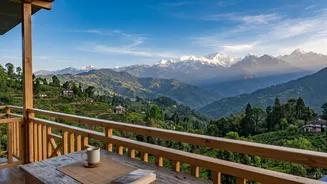
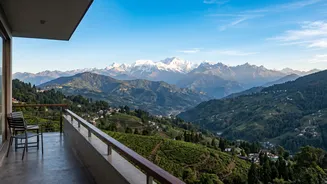
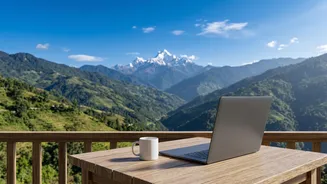
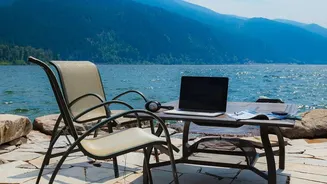
serene village is rapidly becoming the country's premier destination for 'workations'. The scene is a familiar one in local cafes and hostel common areas: laptops open, serious faces illuminated by screen glow, but instead of a corporate backdrop, the view is of lush green valleys and colourful paragliders dotting the sky. This lifestyle, once a niche dream, is now an accessible reality. The shift from temporary escape to a sustainable work-life model is palpable, as tech workers are no longer just visiting; they are settling in for weeks, sometimes months, at a time.
More Than Just a Bunk Bed
What makes Bir so conducive to this trend is the evolution of its hostels. These are not just places to sleep anymore; they are fully equipped professional hubs. Leading the charge are establishments like Zostel Plus, The Bunker, and Flashpackers, which have moved beyond basic amenities to cater specifically to remote workers. The key offering is the dedicated workspace. These aren't just a few tables in a noisy cafe. Hostels now boast reliable, high-speed fibre internet with multiple backup lines, full power backup with generators to combat grid instability, and ergonomic seating. Some, like The Trippy Tribe, even offer distinct coworking rooms separate from social areas, ensuring a quiet environment for deep focus and client calls. This robust infrastructure is the backbone that makes working from the mountains a productive and viable option.
The Bir Billing Proposition
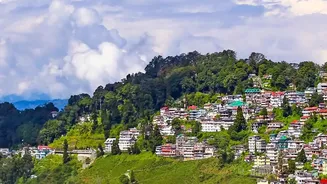
While good Wi-Fi is crucial, it's the unique soul of Bir that seals the deal. Unlike other commercialised hill stations, Bir retains an authentic, calm personality. It offers a unique blend of adventure, spirituality, and cafe culture. The day is structured around productivity, but the evenings and weekends are reserved for exploration. A tech worker might finish a coding sprint at 5 PM and be on a trail to a hidden waterfall by 5:30 PM. The town is a melting pot of Tibetan culture, with peaceful monasteries like the Choukling and Deer Park Institute offering a tranquil escape. The community is a major draw. Hostels facilitate social interaction through common areas, bonfires, and group activities, creating a natural networking environment where a graphic designer from Mumbai might brainstorm with a coder from Bengaluru over a cup of tea.
The Practicalities of Paradise
Living this dream is surprisingly affordable. Dormitory beds in well-equipped hostels can be found for long-stay rates that are a fraction of the cost of rent in a major metro city. Food is inexpensive, and the walkability of the town means transportation costs are minimal. However, the lifestyle isn't without its challenges. The monsoon season, from July to September, can bring persistent rain and reduced accessibility, though many hostels now boast 'monsoon-proof' infrastructure to ensure work isn't disrupted. While the vibe is generally social, the isolation of a small mountain town can be a factor for some, making the choice of a community-focused hostel even more important. Prospective digital nomads must vet properties carefully, confirming details like power backup and internet redundancy before committing to a long stay.