



A Feast Fit for a King
The Onam Sadya is deeply connected to the festival's origin story, which celebrates the annual homecoming of the mythical King Mahabali. His rule is remembered as a golden era of prosperity, equality, and abundance. The Sadya, which means "banquet" in Malayalam,
is a grand, vegetarian offering that mirrors this spirit of plenty and generosity. It’s a way for people to welcome their beloved king and celebrate the bountiful harvest. This communal meal, enjoyed by all regardless of social standing, is a beautiful expression of the unity and togetherness that Onam promotes.
The Practicality of the Banana Leaf
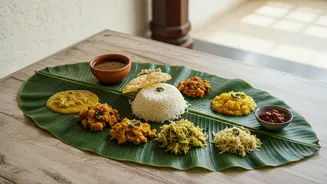
Serving this elaborate meal on a banana leaf, or 'thooshanila', is a tradition rooted in both practicality and symbolism. The large leaf provides ample space to neatly arrange the numerous dishes without them mixing. It simplifies serving a large crowd and makes cleanup easy, as the leaves are biodegradable and can be composted. This eco-friendly practice connects the feast directly to nature and Kerala's agricultural landscape. Furthermore, the banana leaf contains natural compounds and antioxidants that are released when hot food is placed on it, subtly enhancing the aroma and flavour of the meal. Before serving, the leaf is always placed with its narrow tip pointing to the left of the guest.
A Symphony of Flavours
A typical Sadya can feature anywhere from 24 to over 30 distinct dishes, with some grand feasts boasting more than 60. The sheer number isn't just for show; it's a carefully curated experience designed to incorporate the six fundamental tastes ('shad-rasa') of Ayurveda: sweet, sour, salty, pungent, bitter, and astringent. This balance is believed to be essential for a wholesome and satisfying meal that is also beneficial for health. The spread includes a variety of starters like banana chips (upperi) and jaggery-coated chips (sharkara varatti), an assortment of pickles, and several main vegetable dishes. Key preparations include Avial (mixed vegetables in a coconut-yogurt gravy), Thoran (stir-fried vegetables with coconut), and Olan (a mild gourd and bean stew in coconut milk).
The Art of Serving in Sequence
There is a specific, time-honoured order to serving and eating the Sadya, transforming it into a structured culinary journey. Generally, the accompaniments like pickles and chips are placed along the top half of the leaf. Once guests are seated, a mound of parboiled red rice is served on the bottom half. The meal begins by mixing the rice with parippu (lentil curry) and a spoonful of ghee. This is followed by Sambar, a flavorful lentil-based vegetable stew. Lighter dishes like Rasam, a tangy and peppery soup, and Pulissery, a yogurt-based curry, are served next to aid digestion. Each course is meant to be mixed with the rice, allowing the diner to create their own balance of flavours with every bite.
Sweet Endings and a Final Touch
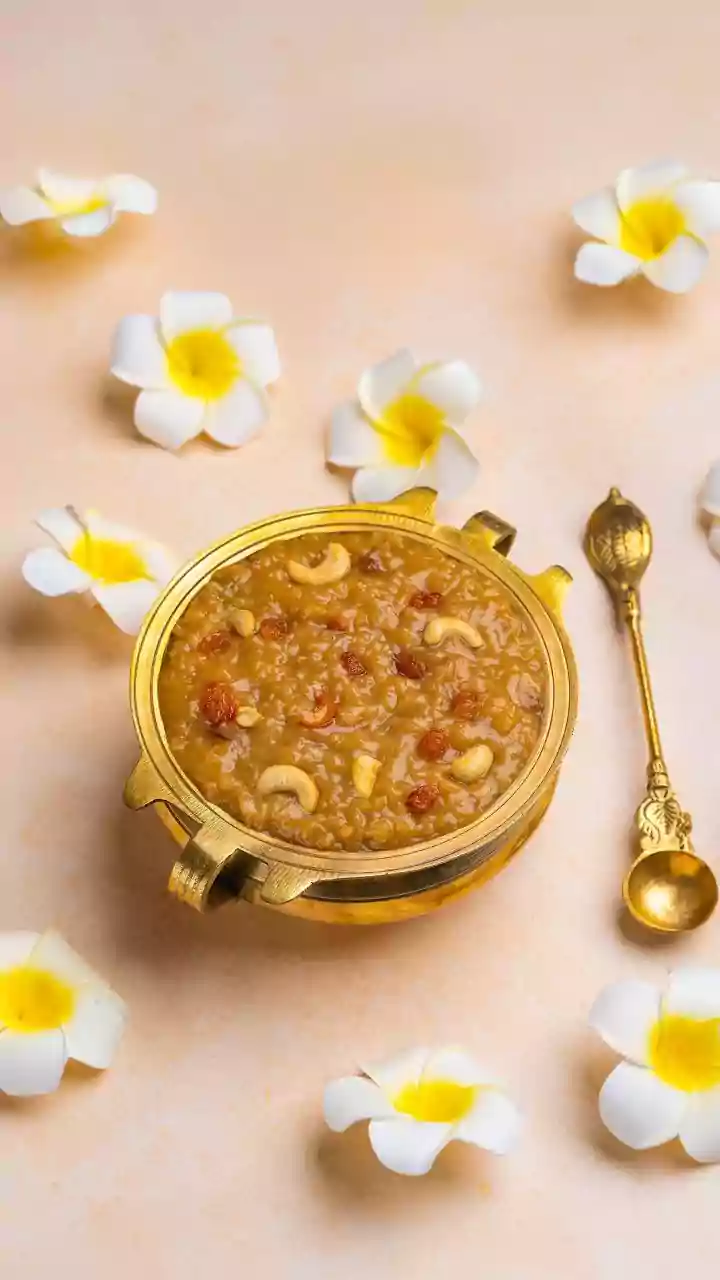
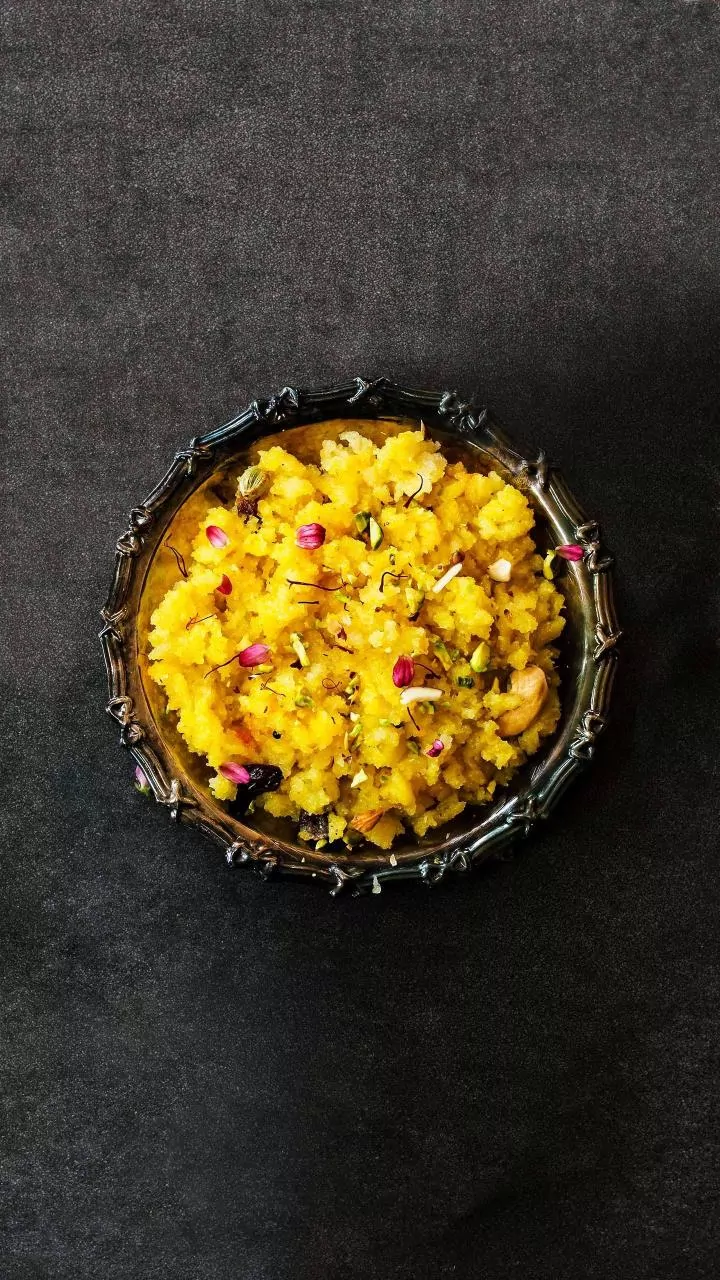
No Sadya is complete without dessert, known as Payasam. Often, two or three different varieties are served, such as Palada Payasam (made with milk, sugar, and rice flakes) and Ada Pradhaman (made with rice flakes, jaggery, and coconut milk). This sweet course is typically served directly on the banana leaf, and many enjoy mashing a small banana into it for extra flavour. The meal traditionally concludes with a serving of spiced buttermilk (moru or sambharam), which cools the palate and aids digestion. After finishing, guests fold the banana leaf in half, usually towards them, as a sign of satisfaction.