








The Era of Appointment Viewing
Not long ago, the rhythm of domestic life in millions of Indian homes was dictated by the television schedule. Evenings were structured around primetime daily soaps. Shows like 'Kyunki Saas Bhi Kabhi Bahu Thi' and 'Kahaani Ghar Ghar Kii' were more than
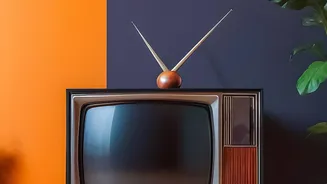
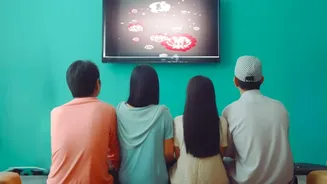
just entertainment; they were a cultural phenomenon. Families would convene, dinners were timed accordingly, and the next day's conversations at work and school often revolved around the previous night's plot twists. At their peak, these shows commanded impressive Target Rating Points (TRPs), with some hitting ratings above 10.0. Today, top-rated shows often struggle to reach a TRP of 3.0, a clear sign of a monumental shift in viewing habits. This era was defined by appointment viewing—a collective experience mandated by a fixed broadcast time.
The On-Demand Revolution
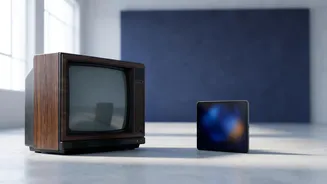
The disruption began with the widespread availability of affordable smartphones and cheap mobile data. This created the perfect environment for over-the-top (OTT) streaming services to flourish. Platforms like Netflix, Amazon Prime Video, and JioHotstar offered a revolutionary proposition: watch what you want, when you want, and where you want. This shift from a linear, scheduled format to a non-linear, on-demand model fundamentally altered the power dynamic. The remote control, once the symbol of control over the family's single screen, was replaced by personal devices. The Indian video streaming market grew from USD 4.76 billion in 2025 to an estimated USD 5.83 billion in 2026, a testament to its rapid adoption. India's OTT audience itself swelled to nearly 665 million in 2026, meaning about 45% of the population now watches online video.
From One Screen to Many
The cultural shift is also a technological one. The single television set in the living room, once the centre of the home's entertainment universe, now competes with a constellation of personal screens. Smartphones, tablets, and laptops allow each family member to curate their own entertainment experience, often simultaneously. This fragmentation of viewing has led to the decline of the shared family experience that daily soaps once fostered. While one person might be catching up on a Korean drama, another could be binge-watching a crime thriller, and a third watching a comedy special—all in the same house. However, this doesn't mean the big screen is dead. The active connected-TV audience in India surged by 60% in 2026, indicating that while viewing is more individualised, there's still a desire for a high-quality, large-screen experience, albeit with on-demand content.
Content for Every Taste
Traditional daily soaps were designed for broad, family-friendly appeal. They offered a predictable blend of domestic drama, romance, and moral lessons. Streaming platforms, by contrast, thrive on diversity and niche content. They offer everything from gritty, adult-oriented web series and complex international shows to documentaries and stand-up comedy. This vast library caters to individual preferences rather than a collective, one-size-fits-all model. The early phase of streaming in India was driven by an urban audience seeking edgy originals, but this has now expanded. Platforms are increasingly investing in regional languages and even family-friendly content to capture the next wave of users, showing an evolution in their own strategy.
Redefining 'Family Time'
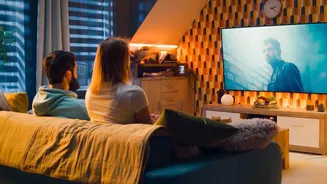
While the image of a family huddled around a single TV set has faded, it doesn't mean family engagement over entertainment has disappeared. It has simply evolved. 'Family time' might now involve discussing a series that everyone is watching at their own pace. It could also mean gathering to watch a blockbuster movie premiere on a streaming service or a major sporting event. Some experts note a trend of 'massification' in streaming, where platforms are deliberately adding more inclusive, television-style content to encourage co-viewing. So, instead of a mandatory daily appointment, entertainment has become another topic of conversation, discussed and debated much like any other aspect of modern life. The shared experience is no longer about simultaneous viewing, but about a shared cultural vocabulary drawn from a much wider pool of content.