




From Nostalgia to Necessity
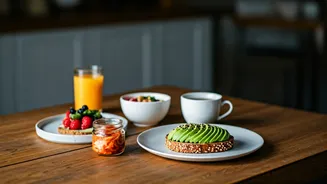
For years, the allure of Western-style breakfasts—toast, sugary cereals, and quick-fix packaged goods—dominated urban Indian mornings. Convenience was king. However, a significant shift is underway. An increasing number of people are turning back to traditional
morning meals, driven by a renewed focus on health, a desire for authentic flavours, and a deeper appreciation for local ingredients. This isn't just about nostalgia; it's about a conscious choice to eat smarter. [22] The return to roots is also fuelled by a growing disillusionment with highly processed foods and a better understanding of nutrition. [30] People are rediscovering that what our grandmothers knew all along holds true: a traditional Indian breakfast is a powerhouse of balanced nutrition. [20]
The Power of Poha and Upma
Two of the most celebrated dishes in this comeback are Poha and Upma. Poha, made from flattened rice, is light on the stomach, easily digestible, and a great source of iron and healthy carbohydrates. [8, 17] A squeeze of lemon is often added, which not only enhances the flavour but also helps the body absorb the iron. [18] Upma, typically made from semolina (suji), is rich in protein and provides a slow, steady release of energy, keeping you full and focused until lunch. [10, 16] When loaded with vegetables, both dishes become a complete meal, offering fibre, vitamins, and minerals without being heavy or high in calories. [8]
The Fermented Goodness of the South
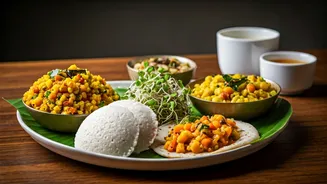
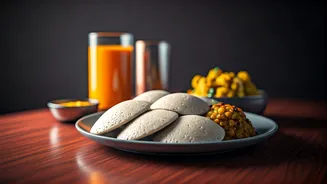
No discussion about healthy Indian breakfasts is complete without mentioning the fermented wonders from the South: Idli and Dosa. Made from a batter of fermented rice and lentils, these dishes are more than just delicious. The fermentation process breaks down the nutrients, making them easier for the body to absorb. [9] More importantly, it populates the food with probiotics, which are beneficial bacteria essential for good gut health. [2, 12] A healthy gut is linked to better digestion, a stronger immune system, and even improved mental well-being. [3, 4] Idlis are steamed, not fried, making them incredibly low in fat and calories, while still providing a balanced mix of protein and carbohydrates. [4, 13] This makes them an ideal choice for weight management and heart health. [14, 15]
Modern Twists on Timeless Classics
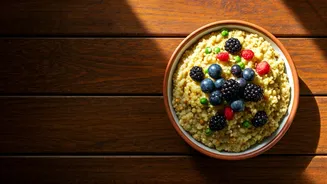
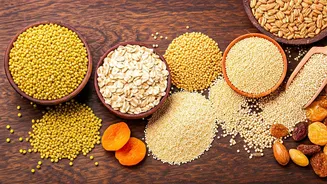
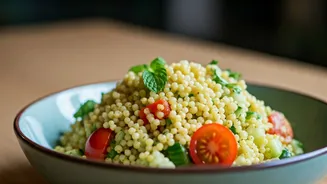
Part of this resurgence is also driven by innovation. The modern Indian kitchen is not just replicating old recipes; it's adapting them. Chefs and home cooks are experimenting with healthier grains, giving traditional dishes a contemporary, nutrient-dense upgrade. [21] You will now find Ragi dosas, foxtail millet upma, and brown rice idlis on menus and in homes. [9] These variations often have a lower glycemic index, which helps in managing blood sugar levels, and they pack in more fibre and essential minerals. [24] This blend of ancient wisdom and modern nutritional science makes these breakfasts even more relevant today, proving that healthy eating doesn't require abandoning tradition but rather embracing and evolving it. [21]