




The Great Green Shutdown
For wildlife enthusiasts, it's a familiar annual event. Around June and July, most of the core zones of India's premier tiger reserves, such as Corbett, Ranthambore, Kanha, and Bandhavgarh, shut down for tourists. This closure, typically lasting until
September or October, is a mandatory pause driven by practical and ecological reasons. The primary factor is safety. Heavy monsoon rains turn the dirt tracks and pathways inside the parks into treacherous, muddy, and often impassable routes. Rivers and streams swell, sometimes flooding vast areas and making vehicle movement dangerous for both visitors and park staff. The risk of getting stranded or encountering unforeseen hazards is simply too high.
A Time for Renewal and Rest
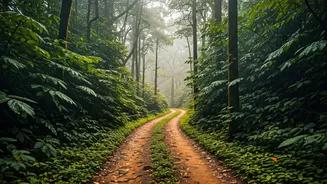
Beyond safety concerns, the monsoon is a vital period of ecological rejuvenation for the forests. The relentless rains replenish water bodies, nourish the soil, and trigger a burst of new life. The parched landscapes of the dry season transform into lush, dense greenery. This period allows the ecosystem to recover from the stress of a long, hot summer and the constant presence of tourist vehicles. Studies have shown that tigers can experience high levels of physiological stress due to constant tourism activity. The monsoon closure provides a much-needed break for wildlife, allowing them to roam and behave more naturally without human disturbance. The season is also a critical breeding period for many species, and the quiet, undisturbed environment is crucial for successful mating and the raising of young.
A Different World for Tigers
The rainy season dramatically alters the life of a tiger. The dense, tall grasses and lush foliage provide perfect camouflage, making it easier for them to stalk prey. However, the constant rain also washes away their scent markings, which are crucial for delineating territory. This forces tigers to patrol their ranges more frequently and actively to re-establish their boundaries. While prey like deer and wild boar become more abundant due to the fresh vegetation, they also disperse across the now-verdant landscape, changing hunting dynamics. Tigers, well-adapted to the water, navigate the transformed terrain, using the dense cover to their advantage.
The Unseen Human Element
While the tourists are away, the work of the forest department intensifies. The monsoon is considered a vulnerable time for poaching. The thick vegetation and difficult terrain provide cover for illegal activities, and with fewer tourist vehicles around, there are fewer eyes and ears in the forest. In response, parks like Corbett and Buxa launch special initiatives like 'Operation Monsoon'. Patrolling is stepped up, often conducted on foot, by boat, or even on the backs of trained elephants in inaccessible areas. Staff at remote anti-poaching camps remain on high alert, monitoring for any illicit activity, from felling trees to hunting. This period is also used for essential maintenance, such as repairing park infrastructure and preparing for the season ahead.
Not Everywhere Is Off-Limits
The idea that all tiger parks are completely sealed off during the monsoon is a common misconception. Many reserves keep their buffer zones or specific tourism gates open. For instance, parts of Ranthambore (zones 6-10), Tadoba, and Pench remain accessible to visitors. Parks in southern India with different monsoon patterns, such as Periyar in Kerala and Nagarhole in Karnataka, often stay open year-round. These monsoon safaris offer a unique experience. While tiger sightings can be more challenging due to the dense foliage, the landscape is breathtakingly beautiful. It's an opportunity to see the jungle in its most vibrant form, with fewer crowds and a focus on the overall forest ecosystem rather than just the chase for a big cat.