



1. Use 'Grey Gold' for Watering
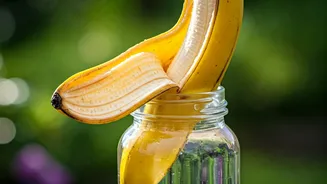
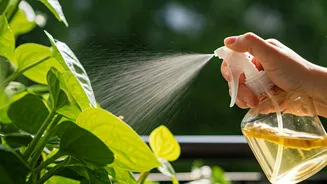
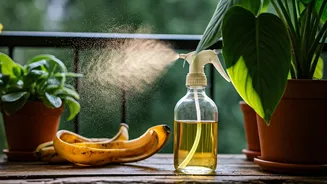
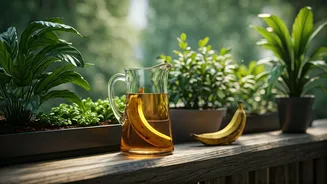
Don't pour that pot of cloudy water down the drain after boiling pasta or vegetables. Once it has cooled completely, this 'grey water' is packed with starch and valuable nutrients that your plants will love. It acts as a mild, free fertiliser that helps
feed the beneficial microbes in the soil. Using this nutrient-rich water on your potted plants, herbs, or vegetable beds once or twice a week can lead to visibly greener leaves and more robust growth. It's a fantastic way to reduce waste and give your plants a consistent, gentle boost without spending a rupee on commercial fertilisers. Just be sure the water is unsalted, as salt can be harmful to soil and plants over time.
2. Supercharge Soil with Kitchen Scraps
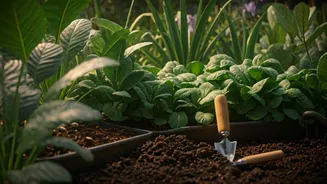
Your kitchen bin is a treasure trove for your garden. Instead of throwing them away, put coffee grounds and eggshells work. Crushed eggshells provide a slow release of calcium, which is essential for strong cell wall development in plants like tomatoes and peppers, helping to prevent issues like blossom-end rot. Coffee grounds, when used in moderation, can improve soil structure and drainage. They are particularly beneficial for acid-loving plants like hydrangeas, roses, and blueberries, as they can help to lower the soil's pH slightly. Simply sprinkle the grounds lightly around the base of these plants or mix them into your compost pile.
3. Create a DIY Weed Barrier
Weeds are the bane of every gardener's existence, but you can suppress them without constant pulling or using harsh chemicals. Before adding mulch to your garden beds, lay down a layer of overlapping cardboard or several sheets of newspaper. This light-blocking barrier effectively smothers existing weeds and prevents new seeds from germinating. Over time, the cardboard and paper will naturally decompose, adding organic matter to your soil and improving its structure. This simple step saves hours of weeding, conserves soil moisture, and builds healthier soil from the ground up. Just be sure to remove any plastic tape from the cardboard first.
4. Water Smarter, Not Harder
The way you water has a huge impact on plant health. Instead of light, frequent sprinkling, which encourages shallow roots, practice deep watering. Water less often, but for a longer duration, allowing moisture to penetrate deep into the soil. This encourages plants to develop strong, deep root systems that are more resilient to heat and drought. For an even more efficient method, bury an unglazed terracotta pot (an 'olla') or a plastic bottle with small holes drilled in it next to your plants. Fill it with water, and it will seep out slowly and directly to the roots, minimising evaporation and delivering water exactly where it's needed.
5. Pinch Your Way to Fuller Plants
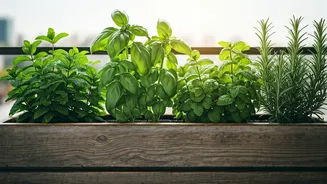
This hack feels counterintuitive but delivers amazing results, especially for herbs like basil and mint, and flowering plants like marigolds and petunias. Regularly 'pinching off' the top set of leaves from the main stem of a young plant encourages it to send out new growth from the side shoots. Instead of growing into a single, leggy stalk, the plant becomes bushier, fuller, and produces more leaves or flowers. This simple act, which requires no tools but your fingers, redirects the plant's energy into creating a more compact and productive form. For herbs, it means a bigger harvest; for flowers, it means a more spectacular display.