




The Crucial First Step: Rinsing
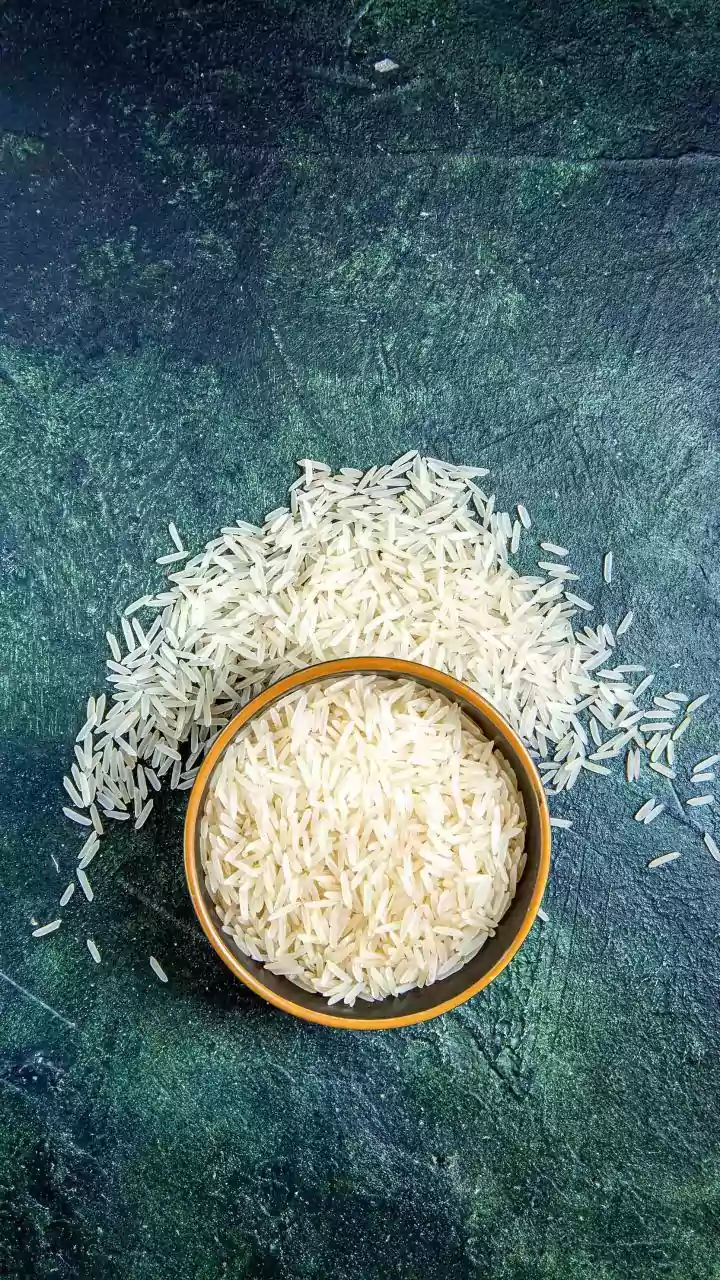
The single most important step for fluffy basmati is rinsing. Dry basmati grains are coated in a fine dust of loose starch from the milling and packaging process. If left on, this starch dissolves in the cooking water, creating a sticky, glue-like substance
that makes the grains clump together. Rinsing washes this surface starch away, which is the biggest secret to achieving restaurant-quality rice where each grain is separate. To rinse, place your rice in a large bowl and cover it with cold water. Swirl the grains with your hand, and you’ll see the water turn milky. Pour off the cloudy water and repeat the process three to five times, until the water runs mostly clear. This simple action cleans the outside of the grain without affecting the starch inside, which is what gives cooked rice its tender texture.
To Soak or Not to Soak?
While rinsing is non-negotiable, soaking is a highly recommended second step, especially if you want extra-long, perfectly cooked grains. Soaking allows the dry, brittle grains to hydrate slowly and evenly before they are exposed to heat. This pre-hydration helps prevent the grains from cooking unevenly—where the outside gets mushy before the center is done—and reduces the chance of them breaking or splitting in the pot. A 20 to 30-minute soak in cold water is the ideal window for most types of basmati rice. This is long enough to soften the grains but not so long that they become fragile. After soaking, be sure to drain the rice thoroughly, as the grains have already absorbed some water, which will affect the cooking ratio.
The Golden Ratio of Water to Rice
After rinsing and soaking, the next critical factor is the water-to-rice ratio. While some packages suggest a 1:2 ratio, many experienced cooks find this leads to overly soft rice. For soaked and drained basmati rice cooked on the stovetop via the absorption method, a reliable starting point is a 1:1.5 ratio. That means for every one cup of rice, you should use one and a half cups of water. This ratio can vary slightly depending on the age and brand of your rice, so consider your first attempt a baseline. If the rice comes out a little too firm, add a few more tablespoons of water next time. If it’s too soft, reduce the water slightly. Finding your perfect ratio is a small adjustment that makes a big difference.
Cooking with Care: The Absorption Method
The absorption method is a simple and effective way to cook basmati on the stovetop. Combine your rinsed (and soaked, if you chose to) rice with the measured fresh water in a pot with a tight-fitting lid. You can also add a pinch of salt or a small amount of butter or oil for extra flavor. Bring the water to a simmer over medium-high heat without the lid. Once the surface is bubbling and foamy, immediately turn the heat down to low, cover the pot securely, and let it cook for 10 to 15 minutes. During this time, it is essential that you do not lift the lid. Peeking allows steam to escape, which disrupts the cooking process and can lead to unevenly cooked rice.
The Final, Critical Rest
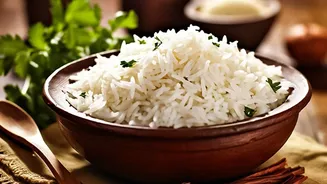
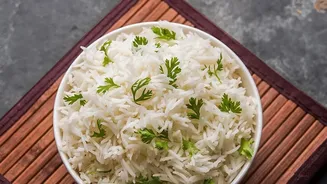
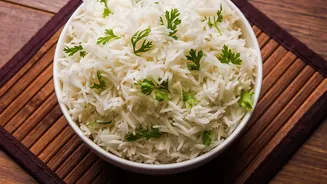
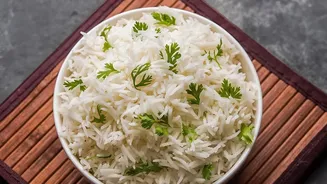
Once the cooking time is up and you have confirmed the water is absorbed, turn off the heat but do not lift the lid yet. Let the pot stand, off the heat, for another 5 to 10 minutes. This resting period is when the magic happens. The residual steam inside the pot continues to gently cook and firm up the grains, ensuring any remaining moisture is evenly distributed. Skipping this step can leave you with rice that is wet and delicate, causing the grains to break when you fluff them. After resting, remove the lid and gently fluff the rice with a fork or a rice paddle, starting from the edges and working your way inward. This separates the grains without crushing them, revealing the light, fluffy texture you’ve been aiming for.