








A Sunrise Spectacle of Unity
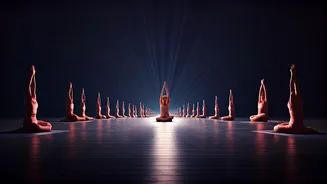
This year's International Day of Yoga is shaping up to be one of the most ambitious yet, with a special focus on the Surya Namaskar, or Sun Salutation. Spearheaded by the Ministry of AYUSH and supported by numerous yoga institutions and community groups,
the initiative encourages mass participation from every corner of the country. From public parks in major cities to school grounds in remote villages, the goal is to create a synchronised wave of movement and mindfulness. The theme often revolves around unity and well-being, leveraging a practice that is both deeply traditional and universally accessible. This collective effort is not just about setting records; it’s a powerful visual statement of India's cultural heritage and its commitment to holistic health.
Decoding the Sun Salutation
So, what exactly is Surya Namaskar? Far more than just a warm-up, it is a dynamic sequence of 12 linked asanas (postures) that flow into one another with rhythmic breathing. The name translates to 'saluting the sun', and the practice is traditionally performed at sunrise to express gratitude to this source of life and energy. The sequence is a comprehensive workout in itself, engaging almost every major muscle group in the body. It begins and ends with the prayer pose (Pranamasana), moving through postures like the upward salute (Hasta Uttanasana), forward bend (Padahastasana), and the iconic cobra pose (Bhujangasana). Its elegance lies in its simplicity and completeness, offering a full-body stretch and activation within minutes.
More Than Just a Stretch
The incredible popularity of Surya Namaskar lies in its vast array of health benefits, which are backed by both ancient yogic wisdom and modern science. Physically, it improves cardiovascular health, enhances flexibility and posture, strengthens muscles, and can aid in weight management. The rhythmic breathing (pranayama) involved in the sequence has a profound effect on the nervous system. It helps calm the mind, reduce stress and anxiety, and improve focus and concentration. This mind-body connection is the core of the practice. It’s a moving meditation that leaves practitioners feeling both energised and tranquil. For those new to the practice, it's always wise to learn the postures from a qualified instructor to ensure correct alignment and prevent injury.
A Nationwide Digital Asana
Organising an event for millions is a logistical masterpiece, and technology is playing a crucial role. While large-scale physical gatherings are the visual centrepiece, a significant portion of the participation happens digitally. The government and partner organisations have launched apps, online portals, and social media campaigns to guide participants. People can join live-streamed sessions led by renowned yoga gurus, follow tutorials, and log their participation to be counted in the national tally. This hybrid model ensures that everyone can be a part of the celebration, regardless of their location or physical ability. It has democratised participation, allowing office workers to practice at their desks and families to salute the sun together in their living rooms.
Yoga's Global Moment
The mass practice of Surya Namaskar on International Day of Yoga is a powerful symbol of India's soft power. Since the United Nations declared June 21st as the International Day of Yoga in 2014, at India’s behest, the event has grown into a global phenomenon. It serves as a yearly reminder of yoga's Indian roots and its universal appeal as a tool for physical and mental well-being. By organising such large-scale domestic events, India reinforces its position as the global epicentre of yoga, showcasing not just the practice itself but the community spirit and collective discipline it can inspire. It’s a day of national pride, celebrated through the quiet, powerful act of a billion collective breaths.