







A Fragile Legacy
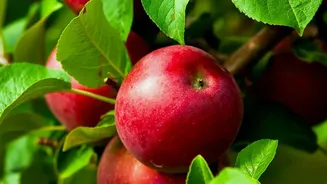
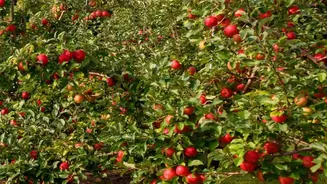
The Kashmir Valley is synonymous with apples, but not just any apples. It is the home of unique heritage varieties like the Ambri, often called the 'Pride of Kashmir'. Known for its crisp texture, sweet flesh, and remarkable aroma, the Ambri is an indigenous
variety that represents a deep agricultural legacy. However, this priceless harvest is incredibly vulnerable. Apples are perishable, and the journey from remote orchards to markets across India is fraught with challenges, including unpredictable weather and highway blockades that can halt transportation for days. In the past, these delays meant tonnes of apples would rot in transit or in orchards, forcing farmers to sell their precious produce at throwaway prices to avoid a total loss. For generations, this has meant lost income and a threat to the very existence of these unique apple varieties.
The Power of Cold Storage
The game-changer for Kashmir's apple growers has been the introduction and expansion of Controlled Atmosphere (CA) storage facilities. These are not ordinary cold rooms; they are high-tech chambers where temperature, humidity, and the levels of oxygen and carbon dioxide are precisely controlled. This technology can extend the shelf life of apples by up to 10 months, a massive leap from conventional refrigeration. By storing their A-grade produce, farmers are no longer at the mercy of the harvest season glut, when a flood of apples into the market causes prices to crash. Instead, they can hold their stock and release it strategically throughout the year, especially in the spring when demand is high and prices are more favourable. This ability to wait for better market conditions has dramatically increased their earning potential, with some growers reporting that prices for a box of apples can more than double.
Cooperatives Lead the Charge
While individual farmers have benefited, the real momentum is coming from farmer cooperatives and Farmer Producer Organisations (FPOs). By pooling their resources, small and marginal growers can collectively access the expensive but transformative cold chain infrastructure. This includes not just the large CA storage units clustered in areas like Pulwama and Shopian, but a complete logistical network. Cooperatives are helping to build an end-to-end system that includes modern packhouses for scientific sorting and grading, and refrigerated (reefer) vans to ensure the apples remain in a temperature-controlled environment from the storage unit all the way to distant markets. This organised approach reduces post-harvest losses, which could previously be as high as 25-30%, and gives farmers greater bargaining power by breaking the historical dependence on middlemen.
More Than Just Apples
This upgrade in cold logistics is about more than just securing a crop; it's about securing the future of Kashmir's rural economy. The apple industry supports the livelihood of an estimated 7 lakh families in the region. By stabilising incomes and reducing risk, the cold chain revolution is making horticulture a more sustainable and profitable venture. It creates year-round employment, not just for farmers but for thousands of workers involved in sorting, packing, and managing the storage facilities. Furthermore, by ensuring that unique heritage apples like the Ambri remain economically viable, these efforts are helping to preserve the valley's rich biodiversity. This blend of traditional farming with modern technology provides a powerful blueprint for how agricultural communities can protect both their legacy and their livelihoods in a rapidly changing world.