

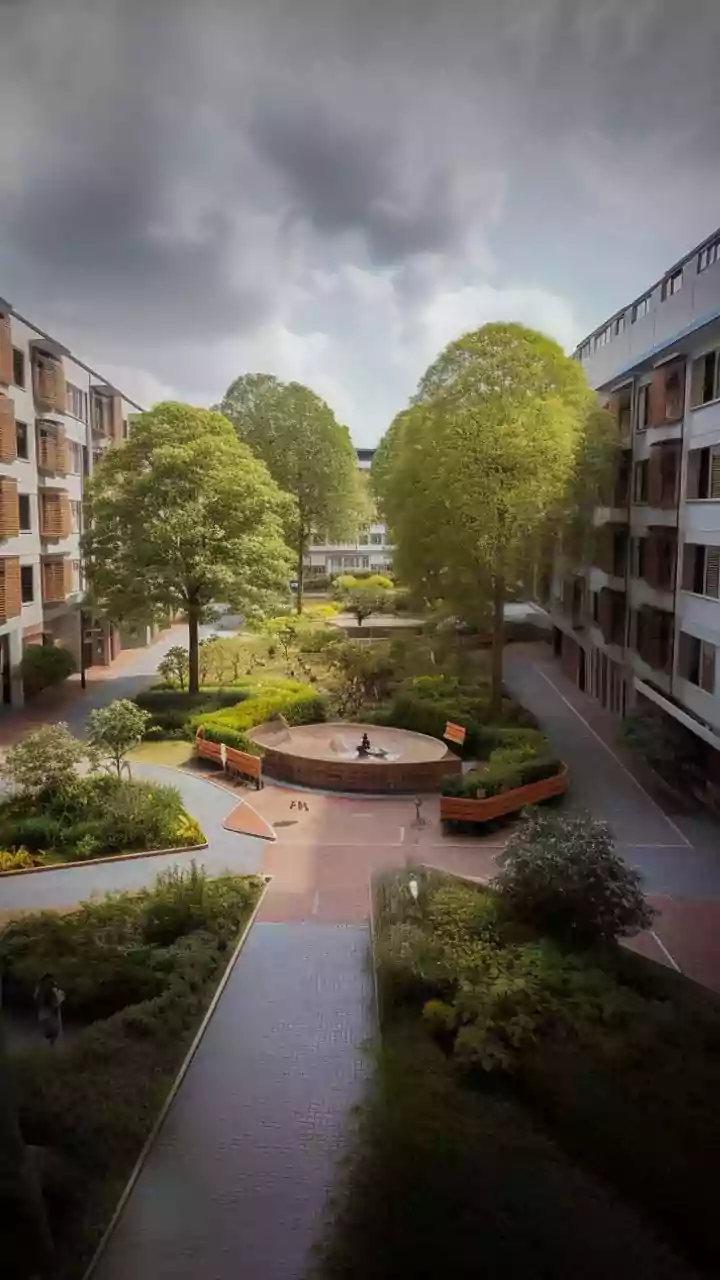








The Key Difference: Solitude vs. Loneliness
At its core, the distinction is about choice and feeling. Solitude is the state of being alone, often by choice, and can be a positive, restorative experience. It's the quiet morning you spend with a book, the focused afternoon you dedicate to a hobby,
or the simple peace of having your own space. Psychologists describe it as a state where you can recharge, reflect, and connect with yourself. Loneliness, on the other hand, is an unwelcome emotional state. It's the painful feeling of being disconnected or isolated, a feeling that can arise even when you're surrounded by people. While solitude is about being physically alone but emotionally content, loneliness is the distressing gap between the social connection you want and the connection you have.
The Rise of Solo Living in India
While India has a strong culture of joint families and community living, urban trends are shifting. More young professionals and single individuals are choosing to live alone for reasons of career, independence, and personal space. Though the overall number of single-person households remains relatively low at around 3.7%, it represents a significant and growing trend in urban centres. This shift doesn't automatically signal a crisis of isolation. Instead, for many, it’s a conscious choice to prioritise personal growth and freedom—redefining solo living not as a sign of being lonely, but as a symbol of self-sufficiency and individualism in a fast-paced world.
The Perks of Your Own Four Walls
Living alone comes with a unique set of advantages that can profoundly boost personal growth. The most obvious benefit is complete freedom and autonomy. You control the remote, the menu, and the decor. Beyond these daily freedoms, living alone provides a rare opportunity for self-discovery. Without the constant influence of a roommate or family, you learn to rely on yourself, solve your own problems, and truly understand your own needs and preferences. Studies show this time can foster creativity, enhance problem-solving skills, and lead to a deeper sense of self-awareness. It’s a chance to build skills, from cooking to DIY projects, and to be unapologetically yourself, whether that means dancing in the kitchen or pursuing a new passion without judgment.
When Being Alone Becomes a Problem
It’s crucial to acknowledge that living alone can, for some, increase the risk of loneliness if not managed proactively. Loneliness isn't just a fleeting feeling of sadness; it's a significant public health issue linked to serious health problems, including increased risk of heart disease, cognitive decline, and stress. The feeling can be triggered by life changes like moving to a new city, a breakup, or simply falling out of social routines. The key is to recognise when peaceful solitude tips into painful isolation. If you find yourself consistently feeling disconnected, misunderstood, or lacking meaningful companionship, it’s a sign that your need for social connection isn't being met.
How to Build Connection on Your Own Terms
The antidote to loneliness isn't to stop living alone; it's to be intentional about building and maintaining your social life. Make your relationships a priority. Schedule regular calls and visits with friends and family. Actively engage with your community by joining groups that align with your interests, whether it's a book club, a hiking group, a volunteer organisation, or a fitness class. Even small, consistent efforts matter, like saying hello to your neighbours or making plans for a casual coffee. Use technology to stay in touch, but don't let it replace face-to-face interaction. The goal is to create a rich social web outside your front door that nourishes you, ensuring that when you come home to your quiet space, it feels like a peaceful sanctuary, not an empty box.