






First, What is Japandi?
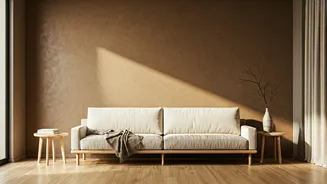
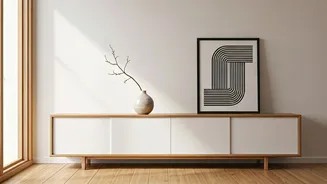
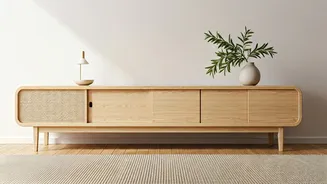
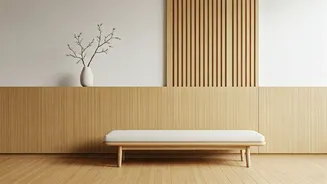
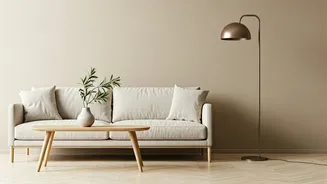
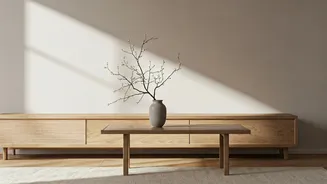
Before we dive into the treasure hunt for the perfect box, let's quickly decode 'Japandi.' It's not just another fleeting trend; it’s a design philosophy. As the name suggests, it’s a beautiful hybrid of Japanese minimalism and Scandinavian functionalism.
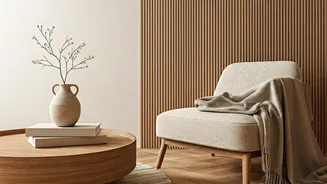
Think clean lines, uncluttered spaces, a muted colour palette, and a deep appreciation for natural materials. Japanese design brings its wabi-sabi principles—finding beauty in imperfection and impermanence. The Scandinavian side contributes 'hygge'—a sense of cosy contentment and well-being. The result is an aesthetic that feels calm, intentional, and deeply connected to nature without being cold or stark.
Why a Vintage Box Works Wonders
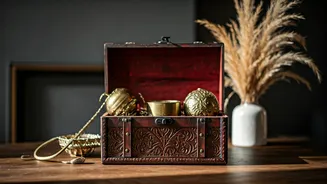
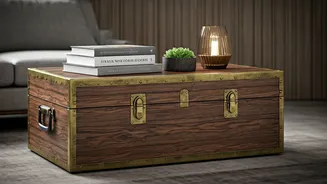
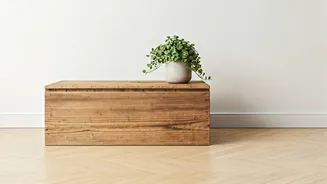
A coffee table is the anchor of a living room, and a vintage wooden box nails the Japandi brief on every level. Its simplicity aligns with minimalist principles, while its aged wood—complete with scuffs, unique grain, and a rich patina—is the very definition of wabi-sabi. It’s an object with a past and a soul, a far cry from a flat-packed, mass-produced table. Functionally, many old boxes and trunks offer hidden storage, helping you maintain that serene, clutter-free look. It’s a piece that’s both practical and poetic, adding warmth, texture, and a story to your space. Plus, it’s an incredibly sustainable choice, giving a forgotten item a new, stylish purpose.
The Hunt for the Perfect Box
Finding your future coffee table is part of the fun. Look beyond furniture stores and explore the places where history hides. Flea markets like Chor Bazaar in Mumbai, Sarojini Nagar in Delhi, or Jew Town in Kochi are treasure troves for old wooden crates, trunks, and chests. Don't dismiss old dowry chests (sandooks), tea crates, or even sturdy military-style footlockers. When searching, consider the three S's: Size, Shape, and Sturdiness. The height should be slightly lower than your sofa's seats for comfortable use. Ensure it's large enough to be functional but not so big it overwhelms the room. Check for major damage like wood rot or termites, but don't be afraid of surface-level imperfections—that's where the character lies. Look for a box with a flat, stable top that can safely hold a tray of chai, a few books, and a vase.
Getting It Ready for Its Debut
Once you've brought your find home, a little prep work will make it ready for its starring role. First, give it a thorough cleaning. A simple solution of mild soap and warm water applied with a soft cloth should do the trick. If it has a musty smell, leaving it to air out in the sun for a day can work wonders, or you can place a bowl of baking soda inside for a few days. Next, address any splinters or rough patches. A light sanding with fine-grit sandpaper will smooth the surface without erasing its aged character. Finally, protect the wood. Depending on the finish you want, you can apply a clear matte or satin polyurethane sealant to protect it from spills and stains, or simply rub in a good quality wax polish to nourish the wood and give it a subtle, healthy sheen.
Styling Your Japandi Centrepiece
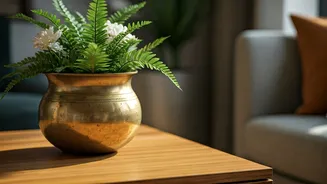
Styling your new box-table is all about restraint and intentionality. The box itself is the hero, so you don't need to do much. A simple ceramic tray can create a stable, contained surface for drinks. Add a few curated items that speak to the Japandi aesthetic: a single stem in an earthenware vase, a beautifully designed art book, a scented candle in a simple vessel, or a small, sculptural object. Play with textures—contrast the rustic wood with smooth ceramics, soft textiles, and perhaps a metallic element. Keep the arrangement asymmetrical and leave plenty of empty space to let the table breathe. The goal isn't to cover it, but to complement its unique beauty.