




The Annual Water Ballet Begins
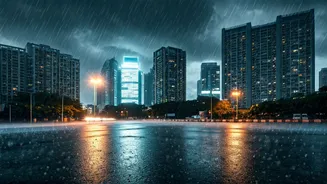
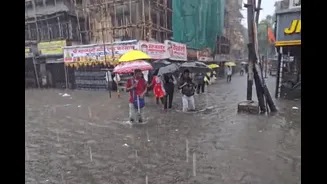
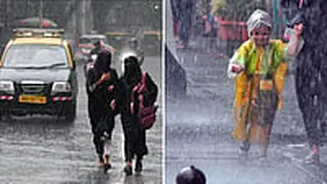
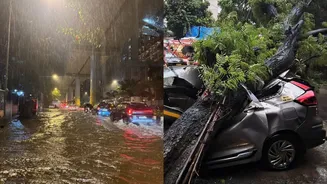
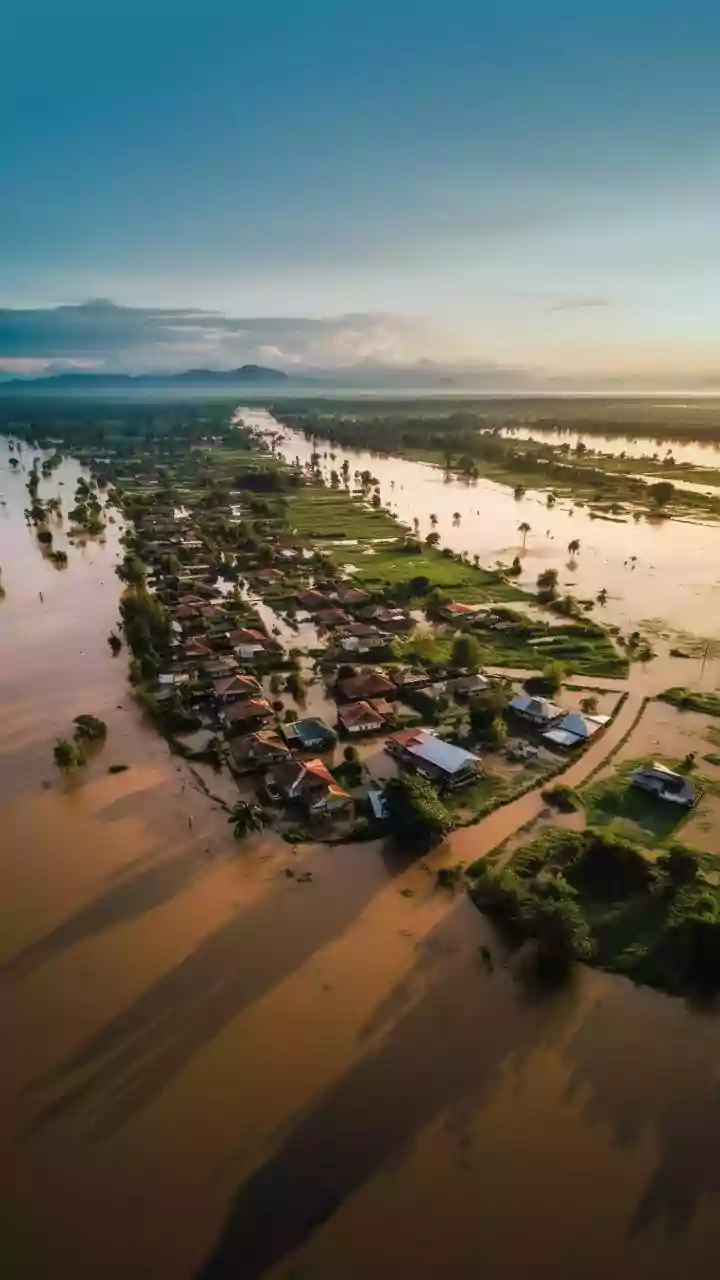
As predictable as the monsoon itself, the season's first significant downpour on June 22 and 23 caused immediate and widespread disruption. Mumbai received intense rainfall, with some parts recording over 300 mm in 24 hours, leading to severe waterlogging
across the city. The Western Express Highway, a critical artery for the city, saw traffic slow to a crawl. Key areas like Andheri, Bandra East, and Vile Parle reported significant water accumulation, turning commutes into multi-hour ordeals. An overturned truck on the highway only exacerbated the gridlock, highlighting how quickly a single incident can paralyze the corridor during the rains.
Pothole Peril and Official Promises
With the water comes the inevitable and dangerous emergence of potholes. While the Brihanmumbai Municipal Corporation (BMC) has stated that its extensive road concretisation program has reduced the number of potholes, commuters know that even a few can cause significant damage and disruption. In response to the yearly problem, the BMC has directed its officials to address any pothole complaints within 24 hours. Engineers have been instructed to proactively patrol their designated zones on two-wheelers to identify and fix damaged sections without waiting for public complaints. Priority has been given to major roads like the WEH, with an emphasis on using durable materials like mastic asphalt for repairs. Whether these measures will prove effective throughout the four-month-long monsoon season remains a key concern for every Mumbaikar on the road.
Your Monsoon Commuting Survival Guide
Navigating the WEH during monsoon requires patience, planning, and a good strategy. Instead of leaving things to chance, a little preparation can make a world of difference. **1. Real-Time Traffic Intel:** Before you even step out, check the latest traffic situation. The Mumbai Traffic Police's Twitter handle (@MTPHereToHelp) provides live updates on snarls, diversions, and accidents. Apps like Google Maps and Waze offer real-time traffic data, which can help you spot and avoid the worst of the congestion. **2. Know Your Alternatives:** If the WEH is gridlocked, consider other routes, though they will likely be congested too. The Eastern Express Highway (EEH) is one option. For those travelling north-south, parts of the new Coastal Road may offer some relief, but be sure to check which sections are open and operational. Other roads like S.V. Road and Link Road can also be used, but expect heavy traffic. **3. Vehicle Health Check:** A breakdown in the middle of a waterlogged street is a nightmare. Ensure your car or two-wheeler is monsoon-ready. Check your tyres for adequate tread, ensure your brakes are working perfectly, and get your battery and electrical systems inspected to avoid vehicle failure in the rain. **4. Drive with Caution:** Driving through waterlogged streets can be incredibly damaging to your vehicle and dangerous for you. Avoid driving through deep water if you can't gauge its depth. If you must, drive slowly and steadily in a low gear to prevent water from entering the exhaust pipe. Be wary of submerged potholes and open manholes.
The Bigger Picture: What's Being Done?
Authorities have been vocal about their monsoon preparedness. The BMC has deployed hundreds of dewatering pumps across the city, including 547 in flood-prone areas, to quickly clear waterlogged streets. A 24/7 disaster control room has been activated to coordinate emergency responses. Looking ahead, long-term projects like the Bandra-Versova sea link and its extension to Bhayandar are under construction, with the goal of eventually decongesting the Western Express Highway. However, these projects are years away from completion (estimated for 2028), offering little comfort for the daily commuter stuck in traffic today.