






From Science Fiction to a Tangible Glow
The idea of using living plants to illuminate our world is not new, but recent advancements in biotechnology have transformed it from a fantastical concept into a tangible area of research and development. Startups and university labs are now seriously
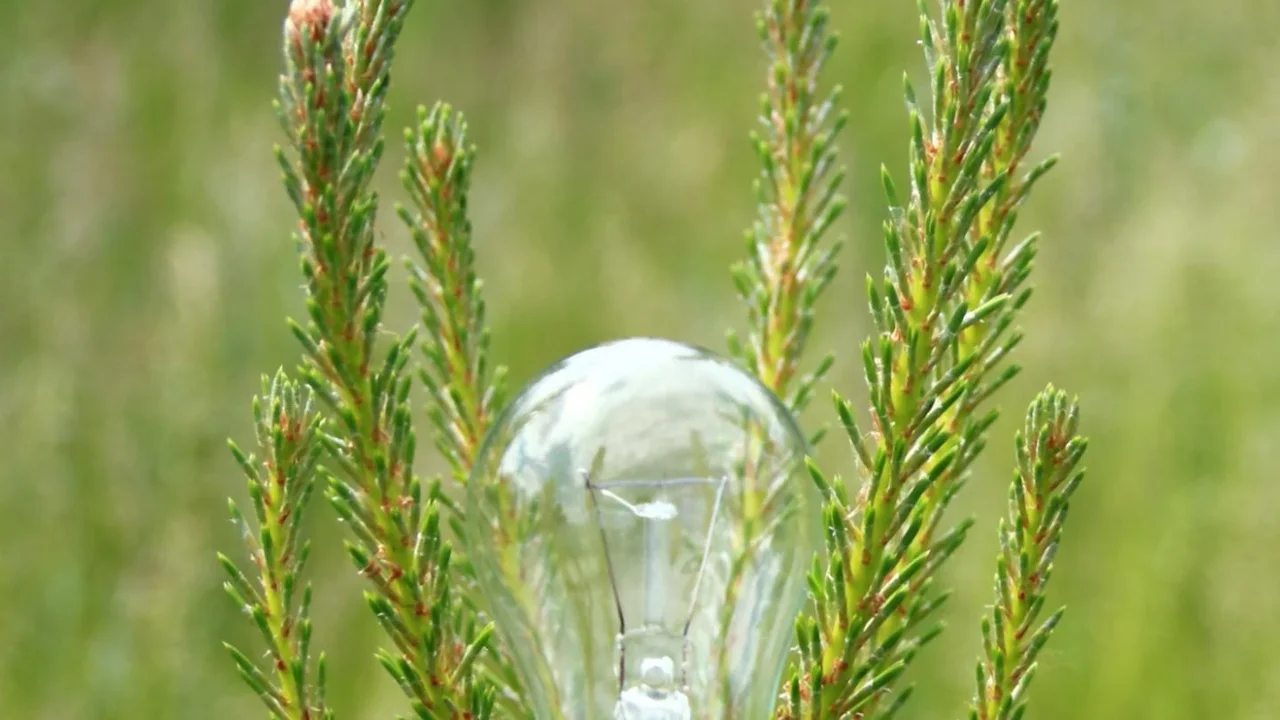
exploring how to make this vision a commercial reality. For instance, an American biotech company called Light Bio began selling a genetically modified 'Firefly Petunia' to the public in 2024, a houseplant that emits a continuous, soft glow. While these are currently ornamental, the long-term goal for many researchers is far more ambitious: to develop plants and trees bright enough to supplement or even replace conventional electric lighting in public spaces. This move represents a potential paradigm shift in urban design, moving away from energy-consuming hardware toward biological systems that create light as a natural part of their existence.
How Do You Make a Plant Glow?
There are two main methods scientists are using to create these living lights. The most prominent involves genetic modification, borrowing lighting mechanisms from other organisms. Researchers have successfully inserted genes from bioluminescent mushrooms and fireflies into the DNA of various plants. The key is often a group of genes that allow the plant to convert an acid it already produces into luciferin, the same light-emitting molecule used by fireflies, creating a self-sustaining glow. Early experiments in the 1980s required plants to be fed the substrate to light up, but newer methods using mushroom DNA allow the plants to glow continuously on their own. A second, non-GMO approach involves infusing plant leaves with specialised light-storing nanoparticles, essentially turning them into rechargeable organic lamps that absorb sunlight during the day and glow at night.
The Promise of Greener Urban Nights
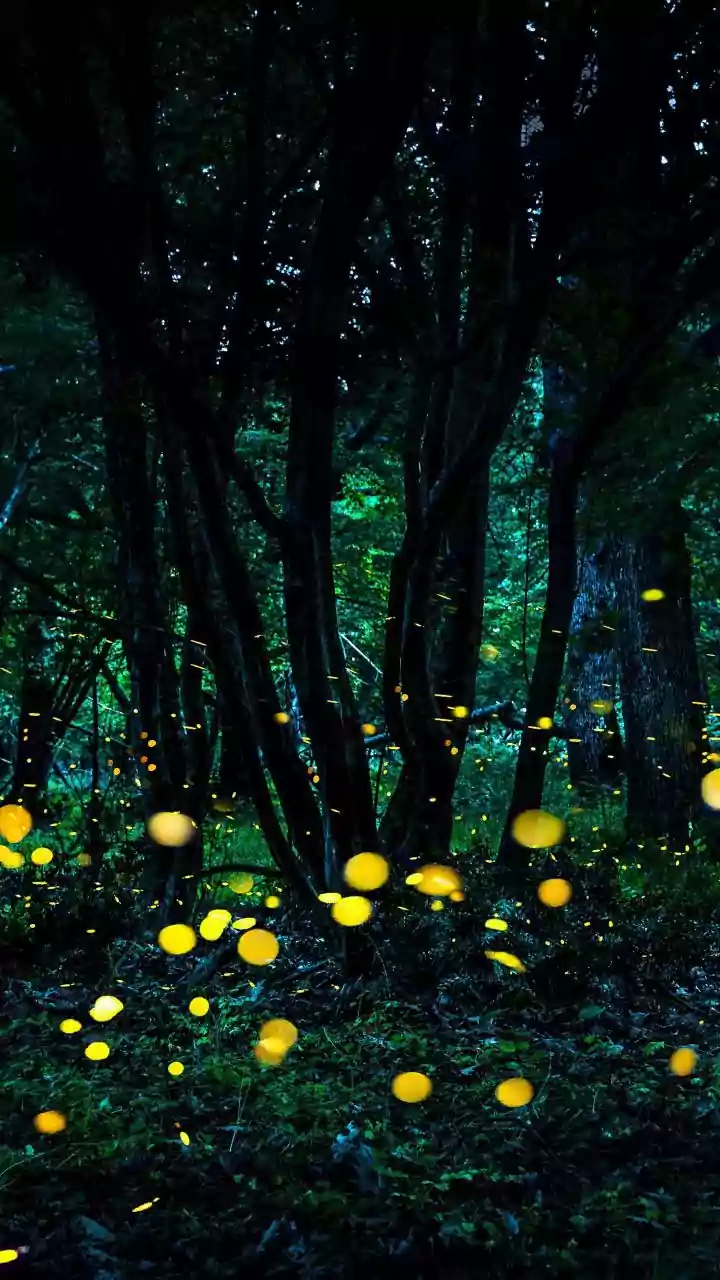
The potential benefits of bioluminescent flora are significant, particularly for urban environments. The most obvious advantage is the reduction in energy consumption. Municipal lighting is a major expense for cities and a significant contributor to carbon emissions. Self-illuminating plants, which require no electricity, could dramatically lower this footprint. Beyond energy savings, these glowing plants could reduce light pollution, the excessive artificial light that disrupts nocturnal wildlife and human sleep patterns. Proponents also point to aesthetic and safety benefits; parks and pathways lit by a soft, natural luminescence could feel more inviting and safer, potentially reducing crime while creating a magical ambience reminiscent of the movie 'Avatar'.
Significant Hurdles Remain
Despite the exciting progress, we are still a long way from replacing streetlights with glowing trees. The primary challenge is brightness. Currently, even the most advanced glowing plants, like the Firefly Petunia, emit a very gentle light, often only clearly visible in near-total darkness. The light generated by early experimental plants was about one-thousandth of the amount needed to read by. While researchers are working to create plants that are tenfold brighter, achieving the intensity of a municipal streetlight is a monumental task. Furthermore, there is the major hurdle of public perception and regulation surrounding genetically modified organisms (GMOs). Releasing GMOs into the open environment raises concerns about potential cross-pollination with native species and unforeseen ecological impacts. Securing regulatory approval and public trust for widespread planting in cities will be a complex process.
The Indian Context: A Bright Idea for Our Cities?
For India, with its rapidly growing cities and ambitious smart city initiatives, the concept of biological lighting holds unique appeal. It could offer a sustainable solution for illuminating public squares, parks, and residential areas, potentially providing low-cost lighting in places with unreliable grid access. The aesthetic appeal could also boost tourism and create unique urban identities. However, the challenges are equally pronounced. The regulatory landscape for GMOs in India is stringent, and public acceptance would require a transparent and extensive dialogue about safety and environmental impact. Maintenance in bustling urban environments, where plants would be exposed to pollution and potential damage, is another practical consideration. While the technology is still in its infancy, it presents a compelling area for Indian researchers and urban planners to monitor as a potential component of the sustainable, self-reliant cities of the future.