






The Global Stage, A Punjabi Heart
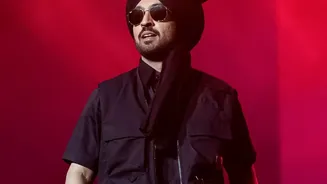
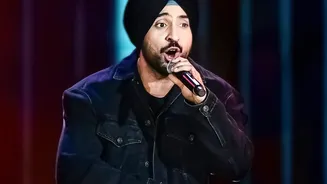
During his recent string of historic international performances, including a confirmed show at London's Wembley Stadium on September 12, 2026, Diljit Dosanjh has made a point of honouring his roots. At a recent show in Manchester, he performed “Pehle
Lalkare Naal,” an iconic song by the late, great Amar Singh Chamkila, whom Dosanjh also portrayed in a 2024 biopic. Before another performance at Madison Square Garden, he explicitly credited legends like Chamkila, Gurdas Maan, and Kuldeep Manak, stating, “What you see today is a reflection of their efforts. If they had not started this journey, we could never have reached this point.” This wasn't just a cover; it was an act of cultural inheritance, performed on a world stage for a diverse, roaring crowd. By weaving these classics into his set, Dosanjh transforms his concerts from mere pop spectacles into living archives of Punjabi music.
More Than a Remix, A Rebirth
The practice of updating old songs is nothing new in the Indian music industry. For years, Bollywood has been dominated by what critics often call the 'remix culture,' where classic hits are repackaged with modern beats for a new film. However, what artists like Dosanjh are doing feels different. It's less about a commercially driven remix and more about a thoughtful reimagining. The goal isn't just to create a dance track but to introduce the soul of a classic to a new generation. This approach seeks to preserve the original's integrity while translating its power for a contemporary, often global, audience. It’s a delicate balance between homage and innovation, connecting listeners who remember the original with those hearing its essence for the very first time.
The Fine Line Between Tribute and Travesty
For every successful reimagining, there are dozens of remixes that have drawn criticism for being soulless or disrespectful to the original. Many music lovers and even original artists have voiced their frustration. A.R. Rahman famously called some remixes of his work “disastrous and very annoying.” The primary criticism is that many modern recreations are simply a low-risk commercial strategy for music labels looking to profit from nostalgia. These often add generic dance beats and little else, displacing opportunities for new, original music to emerge. Critics argue this trend can lead to a creative drought, where the industry is strip-mining its past instead of creating the classics of the future.
The Dosanjh Difference: Authenticity as a Bridge
So, why does Dosanjh’s approach resonate so deeply where others fail? The key seems to be authenticity. Dosanjh isn’t just borrowing a melody; he is embodying a lineage. Having portrayed Chamkila on screen and consistently paying homage to his predecessors, his tributes feel earned and deeply personal. He uses his massive platform not just to celebrate his own success, but to educate his global fanbase about the giants on whose shoulders he stands. This sincerity transforms the performance of a classic song from a simple cover into a powerful act of storytelling. He's not just playing a song; he's telling the world why that song matters, ensuring that the legacies of artists like Amar Singh Chamkila and Gurdas Maan travel with him from the villages of Punjab to the world's biggest stages.