
Bern's Old Town
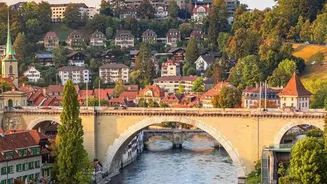
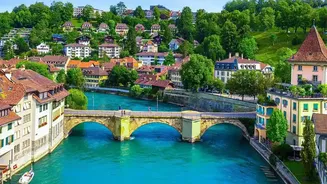
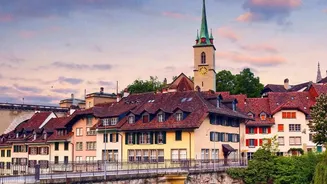
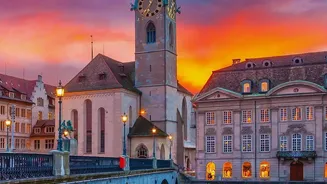
The UNESCO-listed Old Town of Bern is a medieval masterpiece, with kilometres of sandstone arcades, charming fountains, and the famous Zytglogge clock tower. It's incredibly walkable, but its charm is no secret. The busiest time is Saturday around 2 PM,
as locals and tourists converge on the shopping streets and attractions. To enjoy the city's soul, visit on a weekday morning or on a Sunday, when shops are closed, and a quieter, more local atmosphere prevails. The area around the Zytglogge clock tower naturally draws a crowd just before the hour, so to see the mechanical show, arrive a few minutes early. For a more peaceful experience, explore early in the morning before the day-trippers arrive, or stay into the evening when the streets empty out again.
Lucerne's Chapel Bridge & Old Town
Lucerne, with its iconic Chapel Bridge (Kapellbrücke) and stunning lake setting against Mount Pilatus, is a magnet for visitors. In peak season, especially during midday in July and August, the bridge can feel more like a slow-moving queue than a historic landmark. The most effective strategy here is to go early. Visiting the bridge before 8:30 AM offers a completely different, almost magical experience in the soft morning light. The crowds tend to thin again after 5 PM. If you're staying overnight, these shoulder hours are your golden ticket. Consider exploring the city's ancient walls and towers (Museggmauer) for excellent views with fewer people. For a quieter trip altogether, shoulder seasons like May, September, or early October offer pleasant weather with noticeably fewer tourists.
The Jungfrau Region
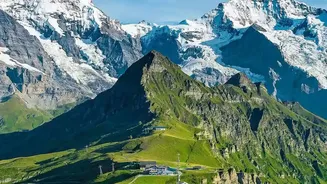
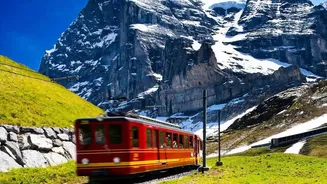
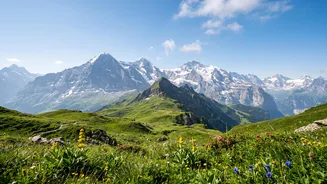
Interlaken serves as the popular gateway to the magnificent Jungfrau region, home to iconic peaks like the Eiger, Mönch, and Jungfrau. This entire area, including towns like Grindelwald and Lauterbrunnen, becomes intensely busy during the summer months of July and August. The trip to Jungfraujoch, the 'Top of Europe', is a bucket-list item for many, resulting in long queues and packed trains. To beat the rush, book the very first train of the day. You'll enjoy the summit with a fraction of the midday crowd. Alternatively, the shoulder seasons of late spring (May-June) and early autumn (September-October) are highly recommended. September, in particular, often offers clear skies, pleasant hiking conditions, and a more relaxed atmosphere as the summer peak subsides.
Zermatt and the Matterhorn
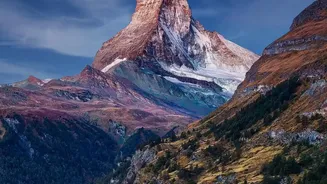
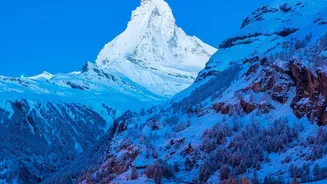
The car-free village of Zermatt sits beneath the gaze of the majestic Matterhorn, one of the most photographed mountains in the world. Its popularity means that during peak winter ski season and the summer hiking months (July-September), the village and its cable cars can be congested. For the best photos and fewest people, timing is critical. Head out for views of the Matterhorn before 8:30 AM or after 5 PM, when the light is beautiful and the day-trippers have thinned out. The Riffelsee lake, famous for its Matterhorn reflections, is best visited at dawn. Consider visiting during the shoulder seasons of June or September for great hiking with fewer people on the trails. Staying overnight in Zermatt, rather than day-tripping, gives you prime access to these quieter morning and evening hours.
Geneva's Lakefront
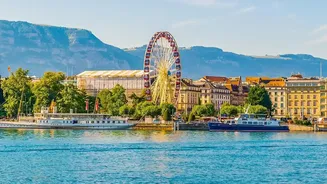
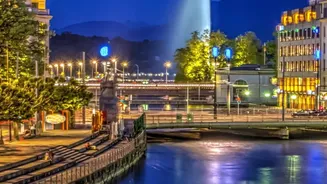
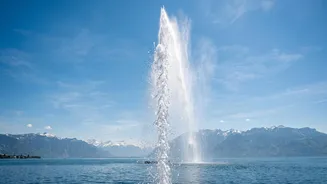
Geneva's beautiful lakefront, with its famous Jet d'Eau fountain, is a hub of activity, especially from June to August. This is when the weather is warmest, drawing crowds to the lakeside promenades, parks, and boat cruises. While the city is large enough to absorb many visitors, the immediate lakefront area can feel packed during sunny summer afternoons. For a more tranquil experience, aim for a stroll in the morning or early evening. The cultural attractions in the Old Town can also offer a respite from the lakeside buzz. For a good balance of pleasant weather and fewer people, consider visiting in late spring (April-May) or early autumn (September), when you can still enjoy the scenery without the peak-season crowds.