
What Is a 'Use-First' Box?
A 'use-first' or 'eat me first' box is a designated container in your refrigerator for items that are approaching their expiration date or are partially used. Think of it as a triage center for your food. Instead of having half an onion, a nearly-finished
tub of yogurt, or slightly soft tomatoes scattered across different shelves, you gather them in one highly visible spot. This simple organizational hack makes it easy for everyone in the household to see what needs to be eaten soon, dramatically cutting down on the chances that these items get lost and spoil. The goal isn't a perfectly curated, designer-looking fridge; it's a practical system to ensure you use the food you've already paid for.
Choosing the Right Container
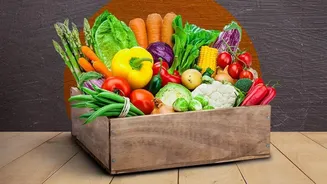
The best container for your use-first box is one that promotes visibility. A clear, open-top bin is ideal because it allows you to see the contents at a glance without having to rummage through it. You don't need to purchase anything fancy; a simple plastic bin, a clean basket, or even a sturdy cardboard box will work. The key is that it's a distinct, designated space. Some people find success with labels or stickers that say "Eat Me First" to make its purpose obvious to the entire family. Whatever you choose, make sure it’s large enough to hold a few days' worth of items but not so large that it overwhelms a shelf.
Location, Location, Location
Visibility is the most critical element for the success of your use-first box. Place the container on a front-and-center shelf, at eye level if possible. The idea is that it should be one of the first things you see when you open the refrigerator door. Avoid tucking it away on a bottom shelf or behind larger items. When food is out of sight, it’s out of mind. By keeping these priority items in your direct line of sight, you create a constant, gentle reminder to incorporate them into your next meal or snack. This positioning makes it almost effortless to grab that half-used bell pepper for a stir-fry or the leftover herbs for a garnish.
What Belongs in the Box?
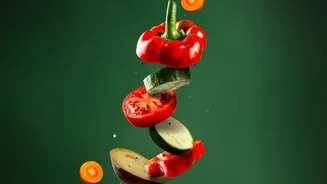
Your use-first box should be a dynamic collection of items that need attention. It's the perfect home for produce that's starting to lose its crispness, like slightly wilted greens or soft-skinned fruits. Other great candidates include opened packages of deli meat or cheese, leftovers from last night’s dinner, half-used jars of sauce, and fresh herbs that are beginning to droop. It’s also a great spot for produce you've already prepped, like chopped carrots or sliced cucumbers, reminding you to eat them before they dry out. Essentially, anything that has a limited shelf life once opened or is at risk of being forgotten belongs here.
Making It a Weekly Habit
Integrating the use-first box into your routine is key to its long-term success. Make it a habit to check the box before you go grocery shopping. This helps you take stock of what you already have, preventing you from buying duplicates and inspiring your meal plan for the week ahead. A great weekly practice is to plan one "clean out the fridge" meal built entirely around the contents of your box. This could be a frittata, a soup, a stir-fry, or a pasta dish. By making a conscious effort to empty the box before your next big grocery run, you not only minimize waste but also get a creative and budget-friendly meal out of it.
Beyond the Box: Complementary Strategies
While a use-first box is a powerful tool, it works best when combined with other smart storage habits. Proper storage is crucial; for example, keep fruits and vegetables separate, as many fruits release ethylene gas that can speed up the ripening of other produce. Understanding the difference between "use by" and "best before" dates can also prevent you from tossing perfectly good food. Additionally, rotating your stock by moving older items to the front of the fridge and newer items to the back ensures that everything gets used in a timely manner. These small habits, combined with your use-first box, create a comprehensive system for a less wasteful, more efficient kitchen.