


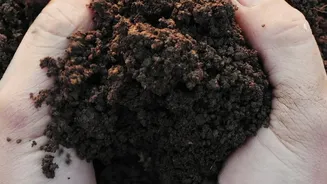
Your dustbin holds a secret treasure for your garden. Instead of throwing away vegetable peels, fruit scraps, and spent tea leaves, you can easily transform them into 'black gold'—a nutrient-rich compost that will make your plants thrive.
Why Your Plants Love Kitchen Scraps
Compost is nature's
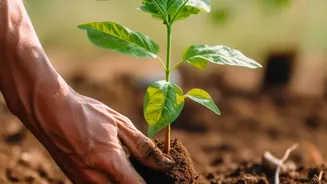
way of recycling. When organic materials like kitchen waste break down, they turn into a dark, crumbly substance called humus. This finished compost is a powerhouse of benefits for your soil and plants. It enriches the soil with essential nutrients like nitrogen, phosphorus, and potassium, which are slowly released over time. This natural fertilizer improves soil structure, helping heavy clay soil become looser and sandy soil retain more water. Plants grown in compost-rich soil develop stronger root systems, are less prone to diseases and pests, and require less frequent watering. By composting, you not only feed your plants for free but also significantly reduce household waste going to landfills, which helps the environment.
What to Compost: The 'Greens' and 'Browns'
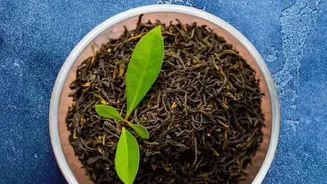
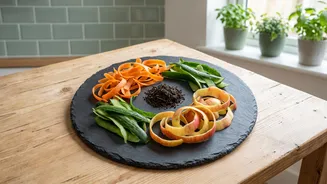
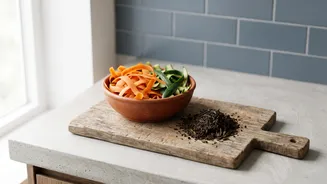
Successful composting is all about balance. You need a mix of two types of materials: 'greens' and 'browns'. 'Greens' are nitrogen-rich items that are typically moist. This includes all your fruit and vegetable peels, coffee grounds, and, of course, spent tea leaves. 'Browns' are carbon-rich materials that are usually dry. Think of things like dried leaves, shredded newspaper, cardboard, and cocopeat. A good rule of thumb is to aim for a ratio of about two to three parts 'browns' to one part 'greens' by volume. This balance provides the ideal diet for the microorganisms that do the hard work of decomposition, ensuring your compost breaks down efficiently without becoming smelly.
What to Avoid in Your Home Compost Bin
While many kitchen scraps are perfect for composting, some items should be left out to avoid attracting pests and creating unpleasant odours. Steer clear of meat, fish, bones, dairy products like cheese and milk, and any oily or greasy foods. These materials can make your compost pile smell bad and attract rodents or other unwanted animals. Also, avoid adding diseased plants to your pile, as the pathogens might survive the composting process and spread to your healthy plants later. While tea leaves are excellent, be mindful of tea bags; many contain plastic and are not fully biodegradable, so it's best to use loose leaves or tear open the bags before composting.
A Simple Bucket Method for Beginners
You don't need a large garden to start composting. A simple bucket method is perfect for apartments and small homes in India. Take a medium-sized plastic bucket and drill several holes on the sides and bottom for aeration and drainage. Start with a 2-inch layer of 'browns' like dried leaves or cocopeat at the bottom. Every day, add your kitchen scraps (the 'greens'). Chop them into smaller pieces to help them break down faster. After adding your greens, always cover them with a layer of browns. This is the key to preventing smells and flies. Keep the contents moist, like a wrung-out sponge, by sprinkling a little water if they seem too dry. Every few days, give the mixture a good stir to introduce air. Many starter kits designed for Indian homes, such as terracotta Khambas or stackable bins, follow this same principle and are readily available online.
Harvesting and Using Your 'Black Gold'
Patience is key. Depending on your mix and conditions, your compost can be ready in as little as two to three months. You'll know it's ready when it has transformed into a dark, crumbly material that smells earthy and sweet, like a forest floor. You shouldn't be able to recognise the original kitchen scraps. To use your finished compost, you can spread a one or two-inch layer on top of the soil around your potted plants or in your garden beds. This is called 'top dressing'. You can also mix it into the soil when you are potting new plants. Even the liquid that drains from some compost bins, known as compost tea, is a potent liquid fertilizer that can be diluted with water and used to water your plants.