



A New Era of Clean Travel
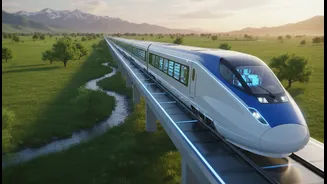
India is on the verge of a significant milestone in its journey towards green transportation. Prime Minister Narendra Modi is expected to inaugurate the nation's first hydrogen fuel cell-powered train on July 17, 2026. This train, set to operate on the Jind-Sonipat
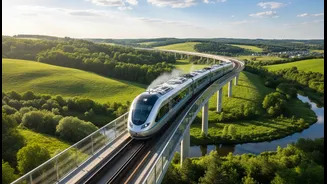
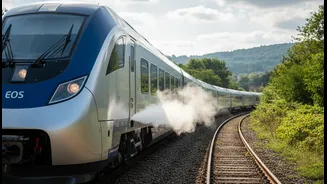
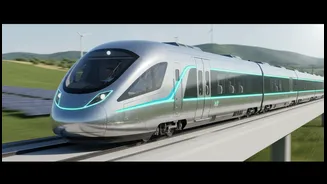
route in Haryana, represents a monumental step for Indian Railways' clean energy ambitions and the Make in India initiative. The technology positions India among a select group of nations, including Germany and Japan, that are actively developing hydrogen-powered rail transport. Unlike traditional diesel locomotives that are noisy and emit pollutants, this new train uses hydrogen and oxygen to generate electricity, with water vapour as the only byproduct, promising a much cleaner and quieter passenger experience.
How Does a Hydrogen Train Work?
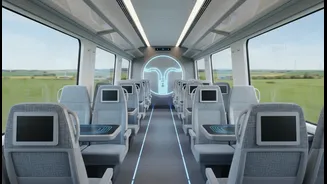
At its core, the train operates like a mobile power plant. It uses hydrogen fuel cells that facilitate a chemical reaction between stored hydrogen and oxygen from the air. This process generates electricity to power the train's motors. The specific train developed for the Indian network is a retrofitted Diesel Electric Multiple Unit (DEMU) with 10 coaches, including two power cars and eight for passengers. This hybrid model combines the hydrogen fuel cells with lithium-ion batteries to manage the power supply efficiently. The train has successfully undergone extensive trials, even reaching speeds of 120 km/h, though it is slated to run at a more conservative 75 km/h during commercial operations on the 90 km Jind-Sonipat corridor. To support this pilot, a complete ecosystem for hydrogen production, storage, and refuelling has been established in Jind.
From Daily Commute to Heritage Journeys
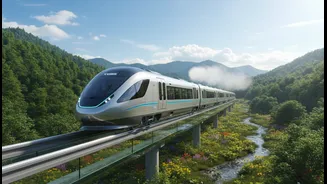
While the inaugural route serves daily commuters in Haryana, the larger vision for this technology is even more inspiring. The government’s 'Hydrogen for Heritage' initiative aims to deploy these eco-friendly trains on India's iconic heritage and hill routes. The Kalka-Shimla railway, a UNESCO World Heritage Site, was one of the first routes announced for this project. The idea of a zero-emission train winding through the pristine Himalayan landscape makes the prospect of sustainable weekend getaways more tangible than ever. Other historic narrow-gauge lines like the Darjeeling Himalayan Railway and Nilgiri Mountain Railway are also part of this ambitious plan. By replacing old diesel engines on these scenic routes, Indian Railways hopes to preserve the natural beauty of these tourist destinations while offering a unique and modern travel experience.
The Road Ahead: Promise and Hurdles
The path to a nationwide hydrogen rail network is not without its challenges. The initial cost is substantial, with each train estimated to cost around ₹80 crore and the necessary ground infrastructure adding another ₹70 crore per route. Furthermore, the current cost of producing green hydrogen is significantly higher than diesel or electricity, making economic viability a key concern. For the 'Hydrogen for Heritage' vision to become a widespread reality, the cost of green hydrogen must decrease, and production must be scaled up significantly under the National Green Hydrogen Mission. Despite these hurdles, the launch of the first train is a critical first step. It allows engineers to test the technology in real-world conditions, gather data, and refine operations for future rollouts. The success of the Jind-Sonipat pilot will be crucial in determining the pace and scale of hydrogen mobility across India's vast rail network.