



The Secret Hiding in Your Bin
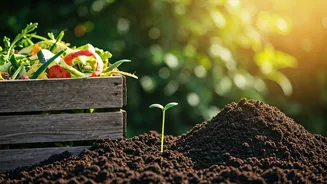
The single best gardening trick isn't a fancy chemical or expensive tool—it’s using your kitchen scraps. Instead of tossing out vegetable peels, coffee grounds, and eggshells, you can turn this 'waste' into a powerhouse of nutrients for your plants. This
process, often called 'kitchen scrap gardening' or simple composting, is an easy, zero-cost way to enrich your soil, reduce household waste, and grow stronger, healthier plants on your balcony, terrace, or in your garden patch. It closes the loop in your home's ecosystem, turning food waste into food for your plants.
Your Garden's New Best Friends
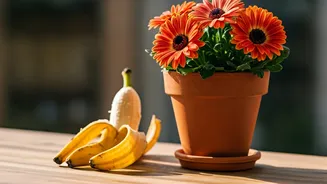
Not all kitchen scraps are created equal. For the best results and to avoid pests, focus on plant-based waste. The superstars of the scrap world include: - **Coffee Grounds:** Rich in nitrogen, a key nutrient for leafy growth. Plants like roses, hydrangeas, and tomatoes particularly appreciate the gentle boost. Don't worry about acidity; used grounds are nearly pH neutral. - **Eggshells:** An excellent source of calcium, which helps plants build strong cell walls and can prevent issues like blossom-end rot in tomatoes and capsicums. - **Vegetable and Fruit Peels:** Banana peels are famous for their potassium content, which aids in flowering and fruiting. Peels from potatoes, carrots, cucumbers, and apples add a wide array of micronutrients to the soil as they decompose. - **Tea Leaves:** Similar to coffee grounds, used tea leaves (loose or from paper tea bags) add nitrogen and improve soil structure.
How to Prepare Your Scraps
Proper preparation is key to making your scraps easy for the soil to absorb and to avoid attracting pests. It only takes a few minutes. - **For Eggshells:** Rinse them thoroughly to remove any liquid egg, which can attract pests. Let them air dry completely, then crush them into a fine powder. The smaller the pieces, the faster the calcium becomes available to your plants. A mortar and pestle, a spice grinder, or even the bottom of a heavy glass will work. - **For Coffee Grounds and Tea Leaves:** Simply spread them on a tray to dry out before use. This prevents mould from growing if you're storing them for a few days. - **For Fruit and Vegetable Peels:** Chop them into small pieces. This increases the surface area, helping them break down much faster once they are in the soil. You can use them immediately or dry them out for later use.
Putting Your Kitchen Gold to Work
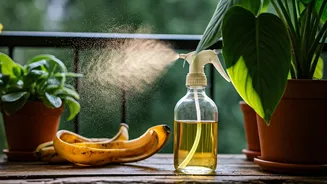
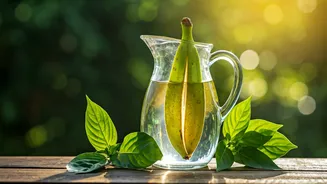
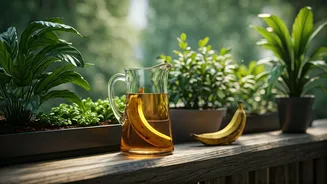
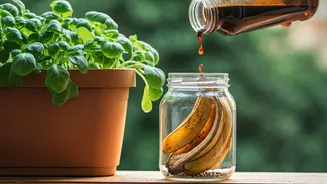
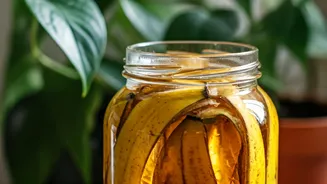
Once your scraps are prepared, it's time to feed your garden. You can apply them in several effective ways: 1. **Mix into the Soil:** When preparing a new pot or garden bed, mix your crushed eggshells, dried coffee grounds, and chopped peels directly into the top 6-8 inches of soil. This enriches the entire root zone. 2. **Top Dressing:** Gently sprinkle the prepared scraps around the base of your established plants. Cover lightly with a thin layer of soil or mulch. As you water the plants, the nutrients will slowly wash down to the roots. This is a great way to give plants a continuous, slow-release feeding. 3. **Create a 'Nutrient Tea':** For a quick boost, you can soak banana peels in water for a couple of days. Discard the peels and use the potassium-rich water to feed your flowering plants.
What You Must Avoid
To keep your garden healthy and free from unwanted visitors, it is crucial to know what to leave out of your kitchen scrap mix. Avoid adding any of the following to your garden soil directly: - **Meat, Fish, or Bones:** These will rot, smell terrible, and attract rodents and other pests. - **Dairy Products:** Like meat, cheese, milk, and yogurt will cause odours and attract pests. - **Oils, Fats, and Greasy Foods:** These can disrupt the soil's water balance and are slow to break down, creating a slimy mess. - **Cooked Foods with Sauces or Seasonings:** High salt and sugar content can harm beneficial soil microbes and damage plant roots. - **Diseased Plant Matter:** Never compost scraps from diseased houseplants or vegetables, as you could spread the problem back into your garden.