

Why Go Vertical?
For many city dwellers, a sprawling garden is a distant dream. Windowsills, balconies, and small patios are often the only available outdoor space. This is where vertical gardening shines. By stacking planters upwards instead of spreading them outwards,
you can multiply your growing area without taking up valuable floor space. A vertical setup makes herbs easily accessible for watering, pruning, and harvesting, bringing the garden right to your fingertips. It’s not just practical; a lush wall of greenery adds a beautiful, living element to your home decor, purifying the air and uplifting your mood. Whether you buy a ready-made tiered planter or create a DIY system, going vertical is a smart, stylish, and efficient way to grow your own food.
Choosing the Right Container
The foundation of a successful vertical garden is the right container. There are many options to suit your space and style. Tiered or stackable planters are a popular choice, allowing you to grow several herbs in a compact footprint. Wall-mounted pockets, often made from felt, are another great space-saver and can turn a bare wall into a living feature. For a DIY approach, you can repurpose everyday items like old tins, plastic bottles, or even wooden crates. The most important factor is drainage. Ensure any container you choose has holes at the bottom to prevent water from logging and causing root rot. For herbs like mint that have vigorous root systems, a wider pot is better than a deep one. A pot that is at least 6-8 inches wide and deep is a good starting point for each plant.
Our Trio: Pudina, Tulsi, and Dhaniya
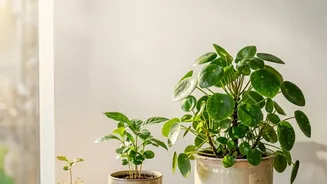
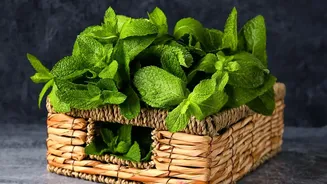
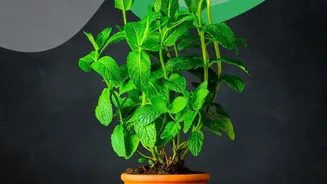
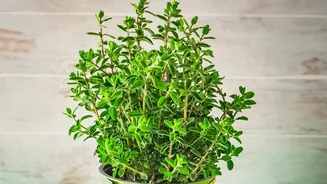
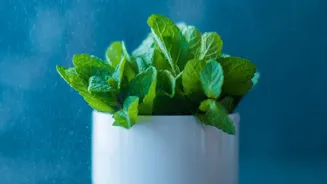
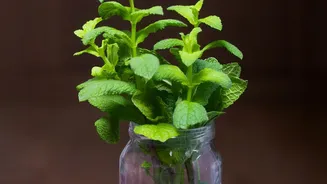
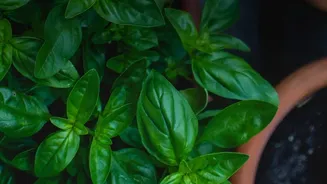
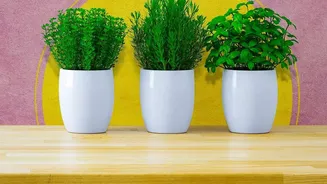
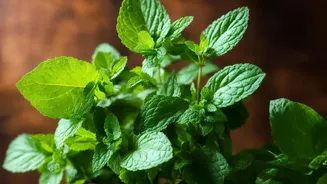
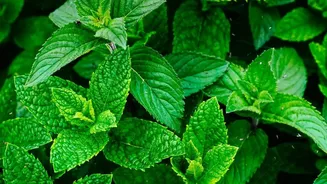
Mint (Pudina), Holy Basil (Tulsi), and Coriander (Dhaniya) are staples in Indian cuisine and culture, making them perfect candidates for a kitchen garden. Mint is famously easy to grow and its aggressive spreading nature is perfectly controlled in a container. Tulsi is revered for its medicinal and spiritual properties and is a hardy plant that thrives in sunny spots. Coriander is essential for garnishes and chutneys, and growing your own ensures a constant supply of fresh leaves. Having these three herbs on hand will instantly elevate your cooking, from a fresh mint chutney to a garnish of dhaniya on your daal or a few tulsi leaves in your morning tea. They are relatively easy to care for and provide a rewarding harvest.
Soil, Sun, and Setup
Herbs need the right environment to flourish. Start with a high-quality, well-draining potting mix. Avoid using heavy garden soil, which can compact in pots and retain too much water. A good mix will often contain organic compost, perlite, or sand to keep it light and aerated. Before planting, moisten the soil mix. Most herbs, including this trio, need plenty of sunlight—aim for at least 4-6 hours of direct or bright, indirect light per day. A south-facing windowsill is often ideal. When arranging your vertical planter, consider the light needs of each plant. Taller plants shouldn't block sunlight from reaching shorter ones. Rotate your pots occasionally to ensure all sides get even light exposure.
Planting Your Vertical Garden
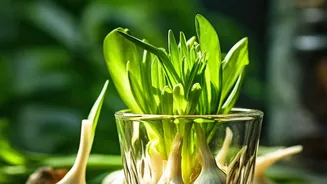
Now for the fun part. For mint, it's often easiest to start with a cutting from an existing plant, which roots readily in soil or water. For Tulsi, you can use seeds or a small plant from a nursery. Coriander is best grown from seed; gently crush the whole coriander seeds before sowing to improve germination. Fill your containers with the prepared potting mix, leaving about an inch at the top. Plant your seeds or seedlings, gently firming the soil around them. Water the pots thoroughly after planting, until water runs out of the drainage holes. For seeds like coriander and mint that need light to germinate, sprinkle them on the surface and cover with only a very thin layer of soil.
Watering, Feeding, and Care
Consistent care is key. Check the soil every day or two. The general rule is to water when the top inch of soil feels dry. Herbs don't like to have 'wet feet', so avoid letting them sit in soggy soil, which can lead to root rot. Mint is a bit more forgiving and likes consistently moist soil, while coriander prefers even moisture. Most herbs grown in good potting mix don't require a lot of fertilizer. Over-fertilizing, especially with nitrogen, can sometimes lead to lots of leaves with less flavour. A light feeding with a balanced liquid fertilizer every few weeks during the growing season is usually sufficient. Regularly pinching off the top leaves of your herbs, especially mint and tulsi, will encourage them to grow bushier and produce more foliage.