





Seasonal Gourds (Lauki, Turai)
During the rainy season, it is wise to favour vegetables that are light and easy on the stomach. Seasonal gourds like bottle gourd (lauki) and ridge gourd (turai) are excellent choices. Rich in water content and fibre, they are hydrating and aid digestion.
According to Ayurvedic principles, these vegetables are ideal for the monsoon as they are not heavy and have a low risk of water-borne contamination compared to leafy greens. Their subtle flavours make them incredibly versatile for home cooking. Simply steaming them or preparing a light, gently spiced sabzi with minimal oil is a quick way to a wholesome meal. They absorb the flavours of spices like cumin and turmeric beautifully, resulting in a comforting dish that is both healthy and simple to prepare.
Ginger and Turmeric
These two powerhouse spices are essential for any monsoon kitchen. Both ginger (adrak) and turmeric (haldi) are celebrated for their potent anti-inflammatory and immunity-boosting properties. The damp weather can often bring on colds and coughs, and incorporating these spices into your daily diet can help build resilience. Ginger is known to generate internal heat and aid digestion, which is particularly beneficial when the body's digestive fire (agni) is considered weaker. Turmeric's active compound, curcumin, is a powerful antioxidant. A simple adrak chai is a classic monsoon beverage, while adding a pinch of turmeric to dals, vegetables, and even a glass of warm milk (haldi doodh) can provide comfort and support your immune system.
Moong Dal
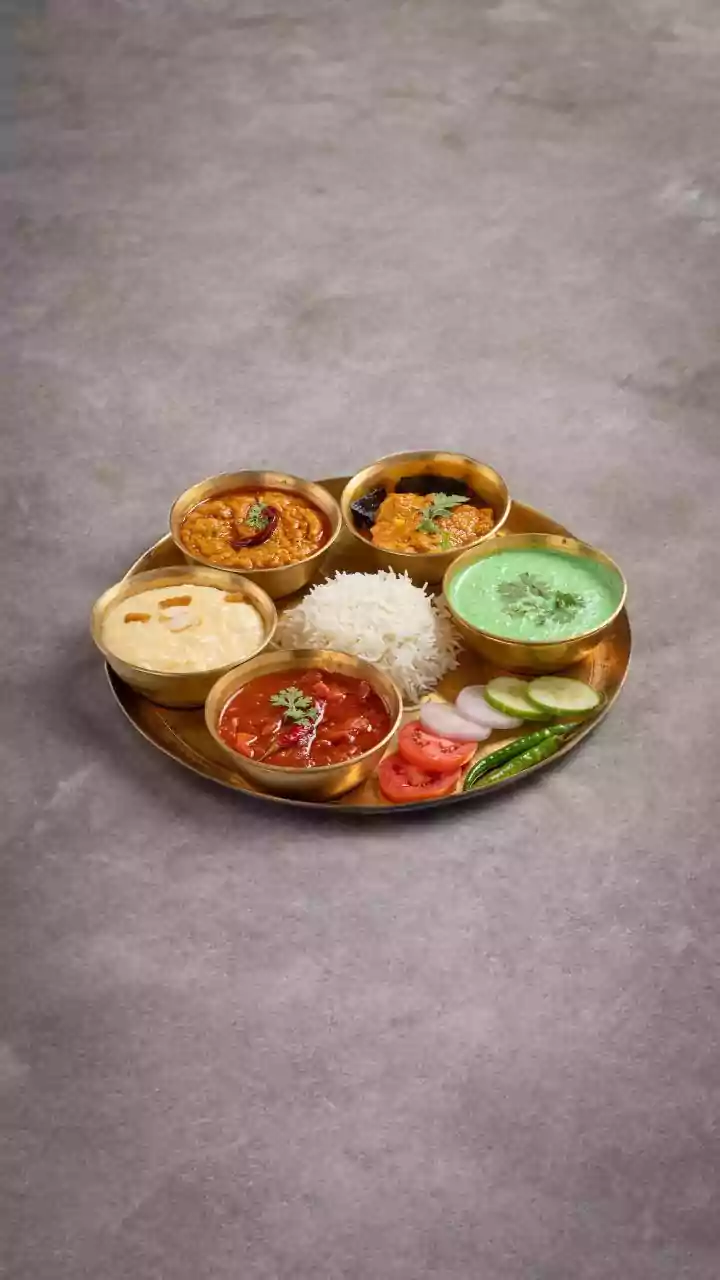
When it comes to lentils, moong dal is the undisputed champion of the monsoon diet. It is renowned for being one of the most easily digestible pulses, making it an ideal source of protein when your digestive system is sensitive. Unlike heavier dals that can cause bloating, moong dal is light and nourishing. It forms the base of khichdi, often considered the ultimate monsoon comfort food. A simple bowl of khichdi, made with rice, moong dal, and a tempering of ghee, cumin, and ginger, is a complete meal in itself. You can also prepare a light moong dal soup or a simple dal fry to serve with rice or rotis. It’s a versatile ingredient that guarantees a meal that is both satisfying and gentle on the gut.
Millets (Jowar, Bajra)
India's ancient grains, like jowar (sorghum) and bajra (pearl millet), are fantastic additions to a rainy-season menu. These millets are naturally warming and provide sustained energy without being heavy on the digestive system. They are a great alternative to wheat and rice, especially if you're looking to diversify your diet. Easy to cook, millets can be used to make rotis, porridge, or even a simple upma. A warm millet porridge for breakfast can be a wonderful start to a rainy day, while jowar or bajra rotis pair perfectly with the light gourd curries and moong dal mentioned earlier. Their earthy flavour and nutrient-dense profile make them a smart and practical choice for maintaining energy levels during the gloomy weather.
Seasonal Fruits (Jamun, Pears, Plums)
While it's tempting to reach for fried snacks, don't forget the goodness of seasonal monsoon fruits. Jamun (Java plum), pears, and plums are typically available during this season and are packed with essential vitamins and antioxidants that help boost immunity. Jamun, with its deep purple hue, is known for its digestive benefits. Pears are juicy and a good source of fibre. Unlike water-heavy fruits like watermelon, these are considered better choices during the monsoon. They are best eaten as is—a simple, healthy snack that requires no cooking at all. They provide a burst of natural sweetness and freshness, balancing the warm, cooked meals that dominate the monsoon diet. Just be sure to wash all fruits thoroughly before consumption.