


A Pandemic Hobby Finds Its Purpose
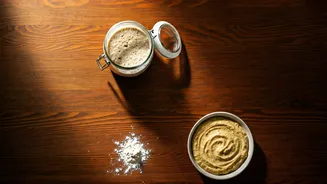
The sourdough baking boom that swept across India during the lockdowns of 2020 has matured. What started as a quest for the perfect crusty loaf has settled into a daily routine for many. This routine involves feeding the starter, which means a portion
must be discarded to keep it healthy and manageable. Initially seen as a wasteful byproduct, this unfed starter, known as 'discard', is now at the heart of a new wave of kitchen creativity. Urban home cooks, having mastered the bread, are now asking what else their starter can do. This curiosity has turned the perceived problem of discard into a solution for quick, flavourful meals.
The Zero-Waste Ethos
The principle of 'waste not, want not' is deeply ingrained in the Indian psyche. For generations, Indian cooking has been about using every part of an ingredient, from vegetable peels to leftover rice. The concept of zero-waste cooking isn't a modern trend here but a long-standing tradition. Using sourdough discard fits perfectly into this ethos. Throwing away a mixture of perfectly good flour and water feels inherently wrong to many. Instead, home cooks are channelling this discard into everything from breakfast to dinner, honouring the ingredient and reducing kitchen waste. This approach is not just sustainable; it's a reflection of deep-seated cultural values.
A Canvas for Indian Flavours
Perhaps the biggest reason for the trend's success is how beautifully sourdough discard integrates with Indian cuisine. Fermentation is already a cornerstone of many regional dishes, from dosas and idlis to dhoklas. The tangy flavour profile of sourdough is familiar to the Indian palate, which appreciates the sour notes in everything from homemade curd to tamarind-based curries. Home cooks are now adding discard to traditional recipes, creating sourdough uttapam, cheelas, dosas, and even softer, more flavourful naan and kulcha. The discard adds a complex tang and a tender texture, elevating familiar dishes in a way that feels both innovative and authentic.
The Urban Health Consciousness
As urban Indians become more health-conscious, sourdough has gained a reputation as a healthier alternative to commercially produced bread. The fermentation process breaks down some of the gluten and other compounds in the flour, potentially making it easier to digest. Sourdough discard retains many of these benefits, being a source of probiotics and fibre. Using the discard in various recipes allows families to incorporate the benefits of fermented grains into a wider range of meals beyond just bread. This aligns with the growing desire among city dwellers for food that is not only tasty but also nutritious and gut-friendly.
Social Media and Community
The rise of sourdough discard recipes is also being fuelled by social media. Instagram feeds and WhatsApp groups are buzzing with bakers sharing their creative uses for discard. From savoury pancakes to crackers and flatbreads, a quick search reveals a vibrant community of home cooks exchanging tips and inspiration. This digital word-of-mouth has been crucial in demystifying the process and showcasing the versatility of sourdough discard. Seeing others successfully turn their discard into delicious meals encourages more people to experiment, building a collective movement one kitchen at a time.