





The Gentle Start Your Body Needs
For individuals carrying extra weight, high-impact exercises like running or jumping can place significant stress on joints, particularly the knees, hips, and ankles. Research shows that running can create impact forces of two to three times your body
weight with every step. Walking, by contrast, is a low-impact activity, meaning at least one foot is on the ground at all times. This dramatically reduces the force transmitted through your joints, lowering the risk of pain and injury. This makes it an ideal starting point, allowing you to build fitness without punishing your body, making the entire experience more sustainable and enjoyable from day one.
More Than Just Steps: The Health Benefits
Don't mistake its simplicity for a lack of effectiveness. Regular walking is a potent tool for health. It's a fantastic cardiovascular workout that strengthens your heart, improves blood circulation, and can help lower blood pressure. Studies have shown that consistent walking can help reduce overall body fat, including visceral belly fat, which is linked to conditions like type 2 diabetes and heart disease. Furthermore, it helps preserve lean muscle mass during weight loss, which is crucial for maintaining a healthy metabolism. Beyond the physical, walking is also proven to boost mood, reduce stress, and improve sleep by releasing endorphins.
Your Guide to Getting Started
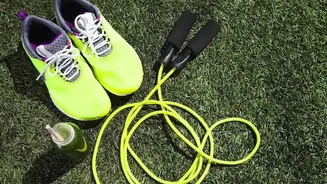
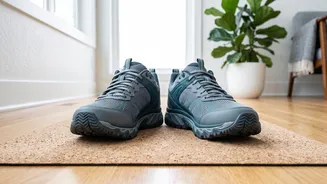
Beginning your walking routine is straightforward. The most crucial piece of equipment is a good pair of shoes that offer proper arch support and cushioning to prevent common foot issues. When you begin, start slow. A 10 to 15-minute walk is a perfect initial goal. The aim is consistency over intensity. It's better to walk for shorter durations multiple times a week than to attempt one long, intimidating walk that leaves you sore and unmotivated. As you get more comfortable, you can gradually increase the duration and then the pace of your walks.
Mastering Your Form for a Better Walk
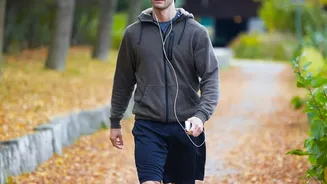
Proper form makes walking more efficient and safer. Keep your head up, looking about 10 to 20 feet ahead, not down at your feet. Your shoulders should be relaxed, rolled back and down, away from your ears. Bend your elbows at a 90-degree angle and let your arms swing naturally from your shoulders to help power your movement. Focus on a heel-to-toe foot strike: land on your heel, roll through your foot, and push off from your toes. Gently engaging your abdominal muscles will also help support your posture and provide stability.
Making Walking a Sustainable Habit
The key to long-term success is turning walking into a habit. The American Heart Association suggests using a 'cue, routine, reward' loop. A cue could be leaving your walking shoes by the door. The routine is the walk itself—start with a small, easily repeatable goal, like a 15-minute walk. The reward is the feeling of accomplishment or perhaps listening to your favorite podcast only during your walk. To maintain motivation, find ways to make it enjoyable. Walk with a friend, explore different routes in your neighborhood, or listen to music. Consistency is more important than perfection.