





An Uneven and Deficient Monsoon
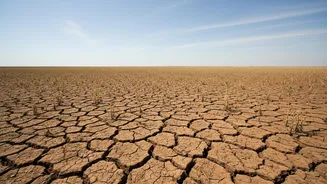
The India Meteorological Department (IMD) had already forecast a below-normal monsoon for 2026, pegging seasonal rainfall at around 90-92% of the long-period average, partly due to developing El Niño conditions. The season started weakly, with a significant
rainfall deficit in June. While July saw a brief recovery in some central parts of the country, the distribution has been highly uneven. As of early August, the cumulative seasonal rainfall for the country remained about 12% below the long-period average, with nearly half of India's districts facing deficient rainfall. This pattern of long dry spells broken by short, intense bursts of rain is making the monsoon increasingly erratic and difficult to manage.
The Direct Hit on Your Kitchen Budget
The most immediate impact for most households is on food prices. A significant portion of India's agriculture is rain-fed, especially during the crucial Kharif sowing season for crops like rice, pulses, coarse cereals, and vegetables. A rainfall deficit delays sowing, reduces the area under cultivation, and lowers crop yields. This creates a direct supply crunch in the market, pushing up the prices of everyday essentials. Economists have warned that lower production could lead to a spike in food inflation, meaning your monthly grocery bill for staples like dal, rice, and vegetables could see a noticeable increase. When households spend more on essential food items, they have less money for other discretionary purchases, a phenomenon known as down-trading.
Trouble at the Tap and the Switch
Beyond food, a weak monsoon directly impacts water and electricity availability. The monsoon rains are critical for recharging India's reservoirs, rivers, and groundwater. By early August 2026, water storage in India's major reservoirs was significantly below the levels of the previous year and also under the ten-year average in many regions, especially in the south and north. This raises the risk of water shortages and rationing in cities for drinking and daily use. It also puts immense pressure on groundwater, which is already over-extracted in many parts of the country. Furthermore, this water shortage affects power generation. With hydropower accounting for a substantial portion of India's electricity, lower reservoir levels can reduce output by 10-15%, forcing a greater reliance on more expensive thermal power and potentially leading to power cuts.
The Broader Economic Ripple Effect
The impact of a poor monsoon extends far beyond the individual household, affecting the entire national economy. Agriculture employs nearly half of India's workforce, and lower farm output leads to reduced rural incomes. This decline in purchasing power in rural areas has a major knock-on effect, dampening demand for goods like two-wheelers, tractors, and fast-moving consumer goods (FMCG). This slowdown in rural consumption can, in turn, affect corporate earnings and even slow the country's overall GDP growth. A weak monsoon also puts pressure on government finances, which may need to increase subsidies for farmers or spend more on welfare schemes to counter rural distress.