






The Pre-Commute Intelligence Briefing
Your best defense against waterlogging starts before you even lock your door. The most critical decision is often whether to travel at all. On August 24, authorities advised corporate offices and schools to allow work-from-home on August 25 to reduce
congestion after heavy rains. If you must travel, check the forecast from the India Meteorological Department (IMD). Follow the Gurugram Traffic Police and the District Disaster Management Authority on social media for real-time advisories on road closures and diversions. Before leaving, quickly check live traffic apps to get an early picture of choke points. This initial five-minute check can save you hours of frustration.
Your Digital Toolkit: Apps and Resources
Leverage technology to outsmart the chaos. While Google Maps and Waze are standards for live traffic, their waterlogging information can be crowd-sourced and delayed. For more reliable updates, add the Gurugram Traffic Police's social media accounts (like X, formerly Twitter) to your watchlist. These channels often post specific, real-time alerts about the most affected areas, which recently included hotspots like the Delhi-Jaipur Expressway, Narsinghpur, Hero Honda Chowk, Rajiv Chowk, and IFFCO Chowk. Some navigation apps also offer specific monsoon-related features or allow users to report waterlogging, creating a more dynamic picture of the city's arteries. Keeping these resources handy allows you to adapt your route on the fly.
Know the Notorious Hotspots
Experience teaches Gurugram residents that not all roads are created equal in a downpour. Authorities have identified several persistent waterlogging hotspots despite ongoing civic work. After recent rains, areas like the service lanes of NH-48, the Naharpur underpass, Sohna Road, Golf Course Road, and parts of Old Gurugram like Sadar Bazar were severely affected. Knowing these perennial problem areas allows you to proactively plan alternative routes, even if your mapping app hasn't flagged them yet. If your route crosses these known trouble spots, consider a detour via the metro or an elevated road, which tend to fare better.
Driving Safely Through Waterlogged Streets
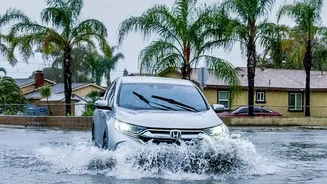
If you cannot avoid a waterlogged patch, navigating it safely is paramount. The golden rule is to avoid water that rises above the center of your wheels. If you must proceed, do so slowly and steadily in a low gear to keep the engine's revs high and prevent water from entering the exhaust. Drive towards the center of the road, as roads are often crowned and the water is shallower there. Avoid the temptation to speed through, as this can create a bow wave that floods your engine. Once you're through the water, gently tap your brakes a few times to dry them out and ensure they are functioning correctly. If your car stalls, do not attempt to restart it, as this can cause catastrophic engine damage.
The Smartest Move: When to Stay Put
The most effective way to beat the jam is to not be in it. The recent 'Work from Home' advisory issued by the Gurugram Disaster Management Authority underscores this point. The advisory was issued not just for convenience but to allow civic agencies the space to conduct emergency repairs and de-watering operations without the added pressure of traffic. If heavy rain is forecast and your work allows for flexibility, proactively opting to work remotely is the wisest course of action. It contributes to a city-wide solution by reducing the number of vehicles on compromised roads and ensures your own safety and productivity.