



It's Not the Rain, It's the Humidity
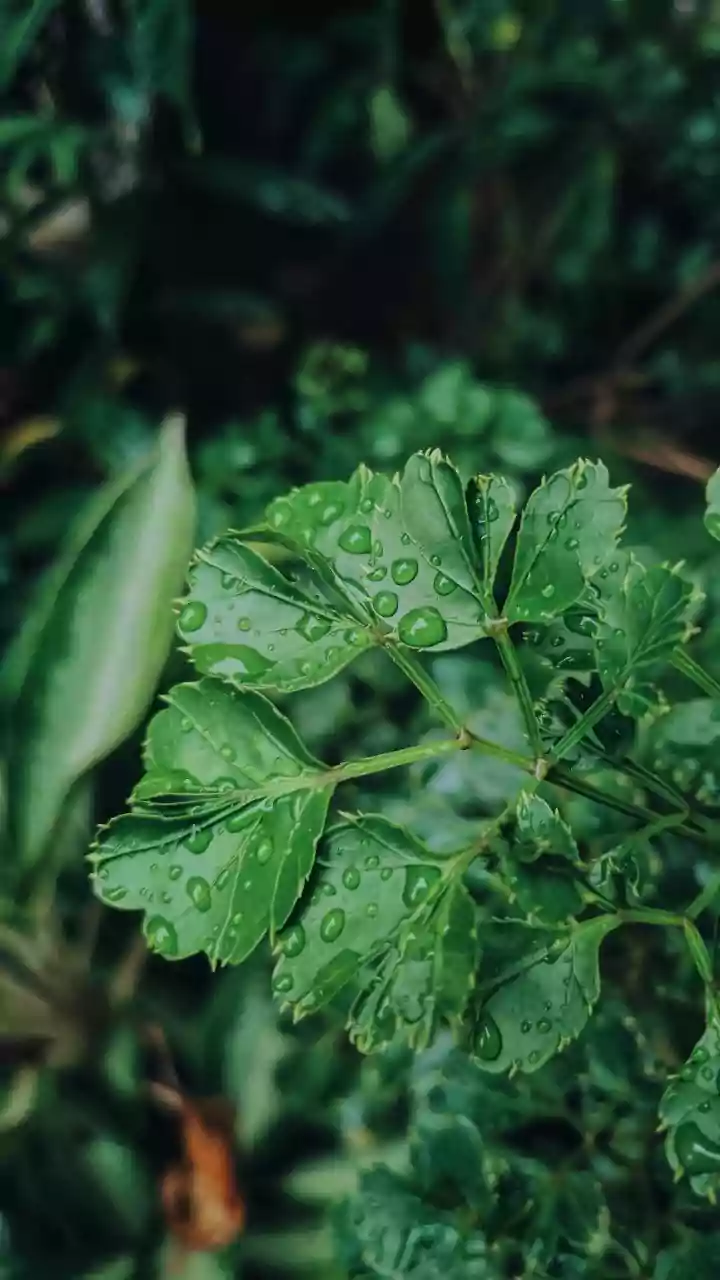
The most significant change for your plants during the monsoon isn't just the rainwater they receive; it's the dramatic increase in atmospheric humidity. Plants 'breathe' through a process called transpiration, where they release water vapor from tiny
pores in their leaves, called stomata. This process pulls water up from the roots, delivering nutrients throughout the plant. However, when the air is already saturated with moisture (high humidity), the rate of transpiration slows down significantly. Think of it like a wet towel on a clothesline: it dries much slower on a humid day. Because your plants are losing less water to the air, their roots don't need to draw as much from the soil, meaning their overall water requirement drops.
The Danger of Drenched Roots
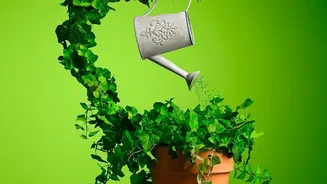
During drier seasons, the soil in your pots dries out quickly due to sun and evaporation. In the monsoon, constant cloud cover and high humidity mean the soil stays wet for much longer. If you continue with a summer watering schedule, or if pots are left in heavy downpours without adequate drainage, the soil becomes waterlogged. This is disastrous for plant roots. Roots need oxygen from air pockets in the soil to function and absorb nutrients. When those pockets are filled with water, the roots effectively suffocate and begin to rot. Root rot is a common and often fatal issue during the rainy season, and ironically, its symptoms—wilting and yellowing leaves—can look exactly like a plant that needs more water.
Not All Plants Are Created Equal
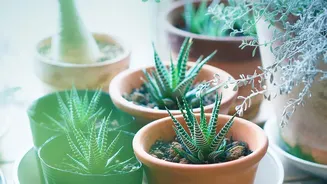
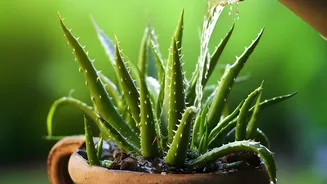
The headline says "some" plants for a reason. Plants native to tropical rainforests, like ferns, Calatheas, and Peace Lilies, often thrive in the high humidity and moist conditions of the monsoon. However, plants adapted to arid conditions, such as succulents, cacti, snake plants, and jade plants, are extremely susceptible to rot in these conditions. Their entire system is designed to store water and endure drought, not to sit in constantly damp soil. For these varieties, the monsoon can be a particularly dangerous time, and they often need to be moved to a sheltered spot where you can control their water intake completely.
How to Spot the Signs of Overwatering
Since overwatered plants can look deceptively like thirsty ones, it's crucial to know the specific signs. Look out for yellowing leaves, particularly lower ones, that feel soft and limp, not dry and crispy. Other indicators include brown spots on leaves, sometimes with a yellow halo, a mushy or unstable base of the stem, and a musty or rotten smell coming from the soil. The appearance of mold on the soil surface or tiny flying insects called fungus gnats are also classic signs that your pot is staying too wet for too long.
Your Monsoon Plant Care Action Plan
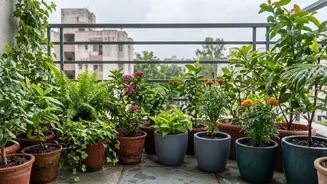
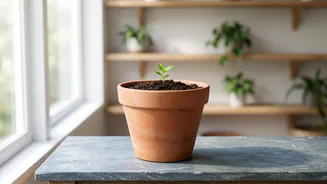
The golden rule of monsoon watering is to abandon your schedule and trust your finger. Before watering, stick your finger two to three centimetres into the soil. If it feels moist, do not water. Ensure every pot has drainage holes and that they aren't blocked. Elevating pots on stands or bricks can dramatically improve drainage and airflow. For very sensitive plants like succulents, consider moving them under a covered part of the balcony to protect them from direct rain. Finally, improve air circulation by spacing your pots out. This helps the foliage and soil surface dry faster, reducing the risk of fungal diseases that thrive in the damp, humid air.