





The Rise of the 'Book-Cation'
In an era dominated by visual platforms like Instagram and TikTok, travel is becoming less about just seeing a place and more about feeling a specific aesthetic or story. For a growing number of young people, that story comes from the books that shaped
their formative years. This isn't just about snapping a photo in front of a landmark; it's about seeking out the specific mood, atmosphere, and even the weather of a fictional world. Driven by a desire for more meaningful experiences and the powerful pull of nostalgia, travelers are meticulously planning trips to the real-world locations that inspired their literary obsessions. The goal? To walk the same streets, breathe the same air, and maybe, for a weekend, live inside the narrative.
For the Moody Vampire Romance Fan: Forks, Washington
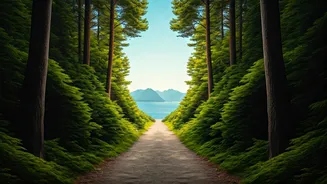
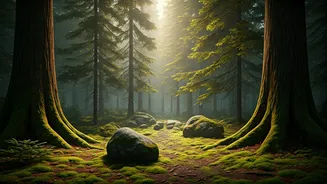
Stephenie Meyer’s *Twilight* saga turned the perpetually overcast town of Forks, Washington, into a global phenomenon, and its appeal has hardly waned. For fans, a trip here is a pilgrimage. You can visit the real Forks High School, where Bella and Edward’s story began, and see the old logging trucks that evoke Bella's own trusty vehicle. The town has embraced its vampiric fame, offering maps that point out key locations from the books, like the Cullen’s house (a designated stand-in) and La Push beach, home to the Quileute Tribe. The draw isn't just the landmarks; it's the atmosphere. The constant drizzle, the towering evergreen forests, and the moody, gray skies make you feel as if you've stepped right into Meyer’s world, half-expecting a vampire to emerge from the mist.
For the Dark Academia Devotee: New England
Donna Tartt’s *The Secret History* didn’t just create a cult following for a book; it launched an entire aesthetic. “Dark academia,” with its themes of classicism, intellectualism, and a touch of murder, is deeply rooted in the imagery of elite, slightly crumbling New England colleges. While Hampden College is fictional, its spirit is alive and well across the region. Travelers are flocking to towns like Bennington, Vermont (where Tartt went to school), or Cambridge, Massachusetts, to capture the vibe. It's about strolling through gothic campuses in a tweed jacket, browsing dusty bookstores for hours, and finding a cozy, wood-paneled bar for a philosophical debate over an old-fashioned. This trip is less about a specific checklist and more about chasing a feeling of intellectual intensity and autumnal melancholy.
For the Southern Gothic Enthusiast: Savannah, Georgia
John Berendt’s *Midnight in the Garden of Good and Evil* is so intertwined with Savannah that the book acts as a veritable travel guide to the city’s most eccentric corners. More than just a true-crime story, the book is a love letter to Savannah’s unique character, its moss-draped squares, and its captivatingly quirky residents. A weekend trip here lets you walk through the pages. You can visit Bonaventure Cemetery, made famous by the book’s iconic cover, wander through Forsyth Park, and admire the Mercer-Williams House, the scene of the central crime. The city’s open-container policy means you can explore its famously haunted streets with a drink in hand, soaking in the sultry, mysterious atmosphere that Berendt captured so perfectly.
For the Timeless Ingénue: Concord, Massachusetts
Long before vampires and dark academics, there was *Little Women*. Louisa May Alcott’s classic tale of sisterhood and ambition has inspired generations, and a trip to Concord, Massachusetts, feels like a warm hug from the past. This is perhaps the most established literary destination on the list. You can tour Orchard House, where Alcott wrote the novel and where the March sisters’ lives were based. It’s been preserved to look just as it did in the 19th century, making it incredibly easy to imagine Jo scribbling away in the attic or Beth playing the piano. You can also pay your respects at the Alcott family plot in the famous Sleepy Hollow Cemetery, where neighbors include Emerson, Hawthorne, and Thoreau. It's a wholesome, charming getaway steeped in American literary history.