



In a rare, unguarded moment, a simple kitchen conversation between Sonia Gandhi and her daughter Priyanka offered a touching glimpse behind the political curtain. The topic wasn't policy or polls, but a fond memory of 'meethe chawal' or sweet rice.
A Candid Family Moment
The
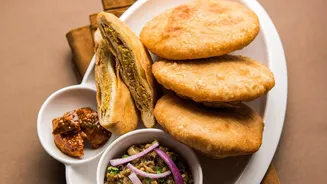
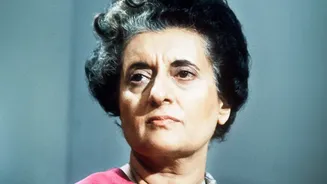
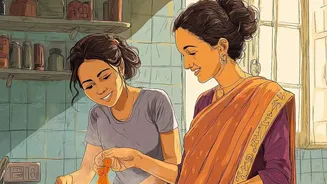
exchange unfolded in a video shared on social media, showing a relaxed conversation between Sonia Gandhi, Priyanka Gandhi Vadra, and her daughter Miraya. While reminiscing about past Diwali celebrations at 1, Safdarjung Road, the residence of former Prime Minister Indira Gandhi, the conversation naturally turned to food. Sonia recalled that festive meals in the family always included Kashmiri dishes and a particular sweet rice. 'And then, on festivals, we always used to have Kashmiri food and that sweet rice, like that, which we still make, by the way,' she shared. This casual remark, a brief departure from political discourse, opened a window into the personal history and traditions of one of India's most prominent families.
The Taste of Nostalgia
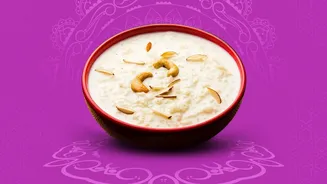
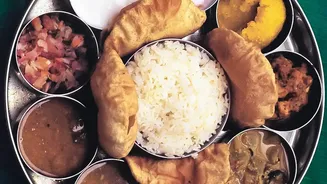
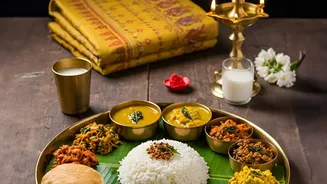
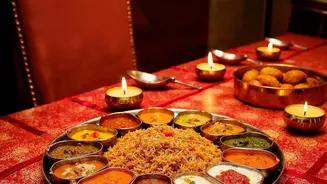
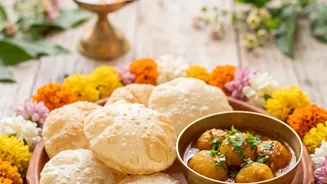
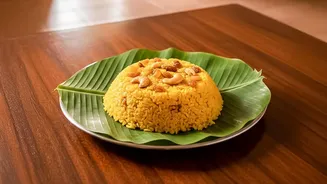
The 'meethe chawal' or sweet rice Sonia Gandhi referred to is more than just a dish; it's a vessel of memory. Known by various names like Zarda or Modur Pulav, this traditional preparation is often associated with celebrations and comfort. Typically made with basmati rice, ghee, sugar or jaggery, it is fragrantly spiced with saffron, cardamom, and cloves, and often garnished with nuts and raisins. Its characteristic golden hue and rich aroma evoke feelings of warmth and festivity. For many, such dishes are inextricably linked to childhood, family gatherings, and the comforting presence of elders. Sonia's memory connects the flavour directly to her mother-in-law, Indira Gandhi, and a time of family togetherness, highlighting how food becomes a powerful anchor for our most cherished recollections.
Humanising Public Figures
In the highly publicised and often scrutinised world of politics, personal anecdotes provide a rare and relatable human dimension. This conversation does just that. It momentarily shifts the focus from Sonia and Priyanka Gandhi as political leaders to their roles as mother, daughter, and granddaughter sharing a piece of their collective past. The memory isn't about power or policy, but about a family tradition that has been lovingly maintained through generations. This act of remembering and sharing a simple recipe serves to bridge the gap between public persona and private self, reminding the audience that behind the formidable figures are universal experiences of family life, love, and the enduring legacy of a grandparent's cooking.
A Legacy Beyond Politics
The mention of Kashmiri food is significant, tracing back to the family's Kashmiri Pandit heritage through Jawaharlal Nehru. This culinary tradition, carried on by Indira Gandhi and now recalled by Sonia, illustrates how cultural identity is preserved and passed down. It speaks to a legacy that is not merely political but deeply personal and cultural. In the same conversation, Priyanka also recalled her father, Rajiv Gandhi, taking her and Rahul to Chandni Chowk to buy firecrackers for Diwali. These fragments of memory, pieced together, paint a fuller picture of a family navigating its unique place in history while holding onto the small, intimate rituals that define home. The sweet rice becomes a symbol of this continuity—a taste of the past that remains present in their lives today.