




The Necessary Escape from Urban Burnout
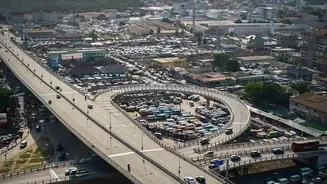
Life in India's metros is a constant hustle. The pressure of work, combined with the daily grind of city living, has made mental exhaustion and burnout a widespread issue. In response, many are turning to 'micro-vacations' as a form of preventative self-care.
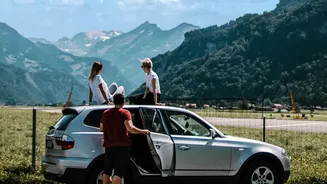
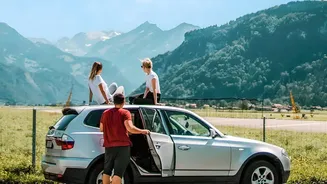
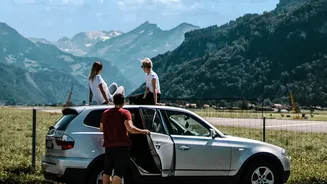
Rather than waiting for a single long holiday once a year, urban professionals are opting for quick, 2-3 day resets every few weeks. This approach helps manage stress proactively, preventing it from accumulating. These short breaks, often to serene locations just a few hours' drive away, provide a crucial psychological release. They offer a change of scenery and a chance to disconnect without the logistical stress of a long-distance trip, making them an essential survival strategy for modern city life.
Convenience Is the New Luxury
The appeal of a short break lies in its simplicity. Planning a major vacation can be a job in itself, with Statista data showing that Indians spend significant time organising international trips. Short getaways eliminate this friction. Destinations are often within a comfortable driving distance, like the well-trodden routes from Mumbai to Lonavala or Delhi to the Aravalli foothills. This ease of access means less time spent in transit and more time actually relaxing. Booking windows have also shrunk, with many travellers making plans just a week or two in advance. This spontaneity is a luxury in itself, allowing people to escape whenever the need arises without the pressure of months-long planning.
The Economics of the Mini-Break
While not always 'cheap', short breaks are often more financially manageable than a single, elaborate annual holiday. Travellers can enjoy frequent getaways without a massive upfront cost, spreading their leisure budget throughout the year. Interestingly, shorter doesn't mean lower quality. Reports show that travellers are often willing to spend more per night on these trips, opting for four and five-star properties, boutique farmhouses, and curated villas that offer a premium experience. The logic is simple: by saving on flights and a long duration, more funds can be allocated to comfort, privacy, and unique experiences like spa treatments or gourmet meals, making the short trip feel indulgent and worthwhile.
Hybrid Work Has Changed the Game
The normalisation of hybrid and remote work in India has been a major catalyst for this travel trend. With the flexibility to work from anywhere, employees are no longer tethered to the office. A weekend trip can easily be extended by working remotely on a Friday or Monday, turning a two-day break into a three or four day 'workation'. This blending of work and leisure has made travel a more integrated part of life rather than a separate, occasional event. This newfound flexibility allows people to take advantage of long weekends and off season deals, fueling more frequent travel throughout the year. As a result, travel is no longer confined to traditional holiday seasons.
A New Kind of Destination
The destinations catering to this trend are evolving. Repeat bookings are high because these nearby places offer more than just a hotel room. Travellers are returning to sophisticated wellness retreats, private farm stays with farmtofork dining, and boutique properties focused on unique experiences. Places like Rishikesh are now known as much for yoga and wellness as for adventure sports. Properties near metros are attracting city dwellers with the promise of quiet, curated comfort, and privacy. The goal is to escape the chaos of the city, not to join a different crowd. This focus on experience over sightseeing—be it wellness, food, or nature—is what keeps people coming back for more. According to booking platform Agoda, major hubs like New Delhi, Mumbai and Bengaluru are themselves top destinations for repeat visitors, who explore them in new ways with each visit.