





A New Definition of Home
The COVID-19 pandemic fundamentally altered the relationship people have with their homes. With the rise of remote and hybrid work, homes became offices, gyms, and sanctuaries all at once. This sparked a demand for larger living spaces, better amenities,
and a higher quality of life. Buyers are now willing to pay a premium for properties that offer more than just a roof over their heads; they are seeking an integrated lifestyle. This includes features like dedicated home offices, private green spaces, and world-class wellness facilities. Developers have responded to this clear shift in consumer preference, seeing an opportunity to cater to a market that prioritizes space, comfort, and well-being.
The Rise of an Affluent India
A key driver of the premium housing surge is the significant growth in India's affluent class. The country has seen a rapid increase in the number of High-Net-Worth Individuals (HNIs) and Ultra-High-Net-Worth Individuals (UHNIs), fueled by a booming stock market, successful IPOs, and a thriving startup ecosystem. This new class of buyers has the disposable income and the aspiration to invest in high-end properties. Furthermore, Non-Resident Indians (NRIs), particularly from West Asia and the US, are investing heavily in the Indian luxury market. For them, it is a combination of a strong emotional connection, favorable exchange rates, and the view of Indian real estate as a stable, high-return investment compared to volatile global markets.
The Developer's Economic Calculation
From the developer's perspective, the move upmarket is a sound business strategy. The affordable housing segment, while crucial, has become financially challenging due to rising costs of land, construction materials, and regulatory compliance. These factors have squeezed profit margins, making such projects less viable. In contrast, premium and luxury projects offer significantly higher margins and often face a more resilient customer base that is less sensitive to inflation and interest rate hikes. This makes the luxury segment a safer bet for developers, ensuring better cash flow and profitability. Recent data underscores this strategic pivot: in the first quarter of 2026, homes priced below Rs 1.5 crore accounted for only 47% of new launches in top cities, a steep drop from 85% in 2022.
More Than Just an Apartment
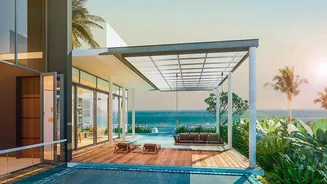
Today's luxury housing is not just about a prime location or expensive finishes. It's about selling an exclusive lifestyle experience. To attract discerning buyers, developers are creating integrated communities with unparalleled amenities. This includes state-of-the-art clubhouses, temperature-controlled swimming pools, concierge services, and high-tech smart home features. A growing trend is the rise of branded residences, where developers partner with international hospitality and luxury brands to offer a five-star living experience. Another significant pivot is towards wellness-centric living, with projects designed around biophilic design, clean-air systems, and extensive green landscapes to promote long-term health and well-being.
A Tale of Two Markets
The intense focus on the premium segment is creating a visible divergence in the real estate market. While luxury sales remain robust, the affordable and mid-income segments are facing pressure. The decline in new launches for budget homes could potentially create a supply gap for a large section of the population, exacerbating affordability challenges. While overall housing sales across major cities have seen moderate growth or even slight declines in some areas, the premium category continues to show strong resilience. This indicates a market that is increasingly selective, favouring quality, location, and long-term value over entry-level pricing.