



The dust has barely settled on the US midterm elections, but global markets are already reacting. The results promise a new political dynamic in Washington, sending ripples of uncertainty through international trade talks and corporate boardrooms worldwide.
A Mandate for Gridlock?
With the conclusion of the 2026 midterm elections, the United States is bracing for a period of divided government. Initial market reactions were mixed, with some indices in Europe and Asia seeing modest gains while others exhibited volatility. This dynamic often signals not a clear direction, but a collective sigh of relief from investors who believe legislative gridlock might prevent drastic policy swings. A divided Congress can make it significantly harder for a presidential administration to pass major domestic legislation. However, this does not mean total inactivity. When it comes to foreign and trade policy, the US president retains significant authority through executive orders and regulatory actions, a power that has been used frequently to navigate international commerce without direct congressional approval. This sets the stage for a potential tug-of-war, with Congress using its oversight and funding powers to influence an administration's global agenda.
The US-China Tech and Trade Standoff
One of the most-watched consequences of the election is its effect on US-China relations. A tough stance on China, particularly concerning technology and trade imbalances, has become an area of rare bipartisan consensus in Washington. Therefore, few analysts expect a significant reversal of the current protectionist posture. The focus is likely to remain on restricting Chinese access to advanced technologies like semiconductors and artificial intelligence. A new congressional dynamic could, however, alter the strategy. Some lawmakers may push to reclaim authority over trade, potentially scrutinising existing tariffs and their impact on American consumers and businesses. At the same time, a politically weakened White House might be more inclined to secure a stable trade deal with Beijing to score a foreign policy win. This creates a complex and somewhat contradictory outlook, where the overarching competitive stance remains, but the tactical approach could shift.
Transatlantic Tensions and Alliances
The relationship between the United States and the European Union has also been tested by trade friction in recent years, including significant tariffs on goods like steel and aluminum. The EU has been pushing back, using its own regulatory tools and seeking alternative trade partnerships, including with India. Following the midterms, European leaders are watching closely to see if the new political landscape offers an opportunity for a reset. A Congress with a different majority could increase pressure on the administration to lower some 'price-hiking tariffs' and work more collaboratively with traditional allies. However, the US president's executive power over trade remains a key factor, meaning that fundamental shifts are not guaranteed. The EU may continue to pursue what some call 'strategic autonomy', diversifying its trade relationships and strengthening its internal market to be less vulnerable to unpredictable US policy shifts.
Implications for India and the Global South
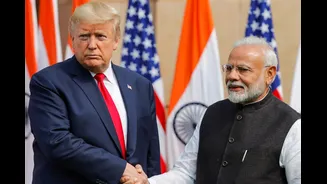
For India and other emerging economies, the fallout from the US midterms is multifaceted. On one hand, continued US-China tensions can accelerate the 'friendshoring' trend, where American and European companies move supply chains out of China and into other nations, presenting a significant opportunity for Indian manufacturing. On the other hand, broader global trade uncertainty can dampen investor sentiment and slow economic growth. A more constrained US administration might be less likely to initiate new, disruptive trade actions, providing a more stable environment. However, an aggressive use of executive orders could still target specific industries or countries. Analysts suggest that the post election environment may embolden the White House to act without concern for electoral consequences in key states, which could be 'bad news' for the Indo Pacific. Consequently, nations like India will be keenly observing Washingtons next moves, balancing the opportunities of supply chain shifts against the risks of sustained global trade volatility.