







Wellness vs. A Quick Fix
Let’s be clear on terms. Wellness, in its truest sense, is the active and holistic pursuit of health across multiple dimensions of your life: physical, mental, emotional, and social. It’s a conscious, ongoing process of making choices that lead to a balanced
and successful existence. Self-medication, on the other hand, is the use of substances like alcohol, unprescribed drugs, or even excessive comfort food to manage physical or psychological symptoms without professional guidance. It’s a reactive behaviour aimed at numbing or escaping distress in the moment, rather than proactively building health.
The Appeal of Temporary Relief
It's easy to see why people turn to self-medication. Life is stressful, and substances can offer what feels like a fast-acting solution to overwhelming feelings of anxiety, depression, or burnout. When you're struggling, the immediate calm from a drink or the escape offered by a drug can seem like a manageable way to cope, especially if professional help feels inaccessible or stigmatized. This behaviour is often an attempt to deal with difficult life events, past trauma, or the symptoms of an undiagnosed mental health condition. It provides a temporary exit, a short-lived release of 'feel-good' chemicals in the brain that masks the underlying pain.
The Hidden Dangers of Self-Medicating
While it may provide short-term relief, self-medication almost always makes things worse in the long run. One of the biggest risks is the potential to develop a substance use disorder or chemical dependency. The body builds a tolerance, meaning you need more of the substance to achieve the same effect, which increases the risk of addiction and overdose. Furthermore, it can worsen the very mental health symptoms you're trying to suppress. Alcohol, for example, is a depressant that can deepen feelings of sadness over time. This cycle delays proper diagnosis and treatment, preventing you from addressing the root cause of your distress.
What True Wellness Looks Like
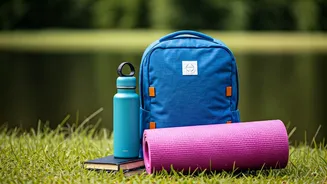
Genuine wellness behaviour involves building healthy, sustainable coping mechanisms. Instead of numbing feelings, it’s about processing them. This can take many forms, and what works is often personal. Regular physical activity is a powerful stress reducer that releases endorphins and improves mood. Mindfulness practices like meditation and deep breathing exercises can help regulate the body's stress response, creating calm from within. Other healthy strategies include maintaining a balanced diet, ensuring you get enough sleep, and engaging in hobbies that bring you joy. Crucially, true wellness involves connection—talking to trusted friends, family, or a support group to share your feelings and feel less alone.
Making the Shift to Healthy Coping
Moving away from self-medication starts with acknowledging the behaviour and its temporary nature. The first step is to identify the triggers that lead you to seek a quick fix. From there, you can begin to introduce healthier alternatives. Instead of reaching for a drink after a stressful day, try a short walk, some deep breathing exercises, or journaling about your feelings. If you are struggling to manage symptoms of anxiety, depression, or trauma on your own, seeking professional help is a sign of strength. A therapist or counsellor can provide you with the tools to address the root causes of your distress and develop effective, long-term coping strategies that truly support your wellbeing.