




Meet Gongura: The Pride of Andhra
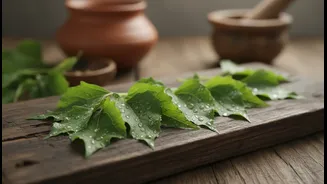
The ingredient in question is Gongura, also known as sorrel leaves. It's more than just a leafy green; it's a cultural emblem in Andhra Pradesh and Telangana, so beloved that it is affectionately called 'Andhra Matha' or Mother Andhra. These leaves are
the foundation of many iconic regional dishes and are celebrated for their distinctively sour taste. There are two common varieties: one with green stems and another with red stems, with the latter being the more pungent and sour of the two. This tangy flavour profile is what sets Gongura apart from all other greens, making it an irreplaceable component in the kitchens it graces.
Why It Shines in July
Gongura is traditionally a summer crop, with the delightful characteristic that the hotter the weather, the sourer the leaf becomes. However, its popularity soars during the monsoons. Leafy greens flourish during this season, and Gongura is considered one of the safer greens to consume as it tends to grow slightly above ground level, reducing the risk of contamination from soil-borne pathogens. Furthermore, its inherent properties are believed to help cool the body and reduce inflammation, which is a welcome benefit during the humid monsoon months. Its high Vitamin C content is also a welcome boost for immunity during a season known for colds and flu.
A Powerhouse of Flavour and Health
Beyond its incredible taste, Gongura is a nutritional powerhouse. It is a rich source of iron, folate, antioxidants, and essential vitamins like A, B6, and C. This makes it particularly beneficial for boosting immunity, improving iron levels, and maintaining overall health. Traditional wisdom values it for its digestive properties; the sourness is thought to stimulate appetite and aid in digestion by promoting bile secretion and supporting liver function. The leaves are also packed with minerals like calcium, magnesium, and phosphorus, which are vital for maintaining bone health.
Beyond the Famous Pachadi
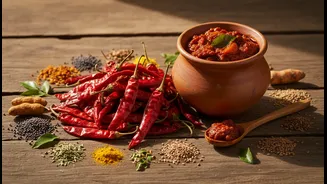
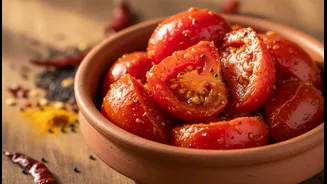
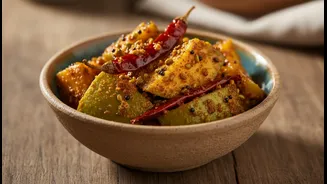
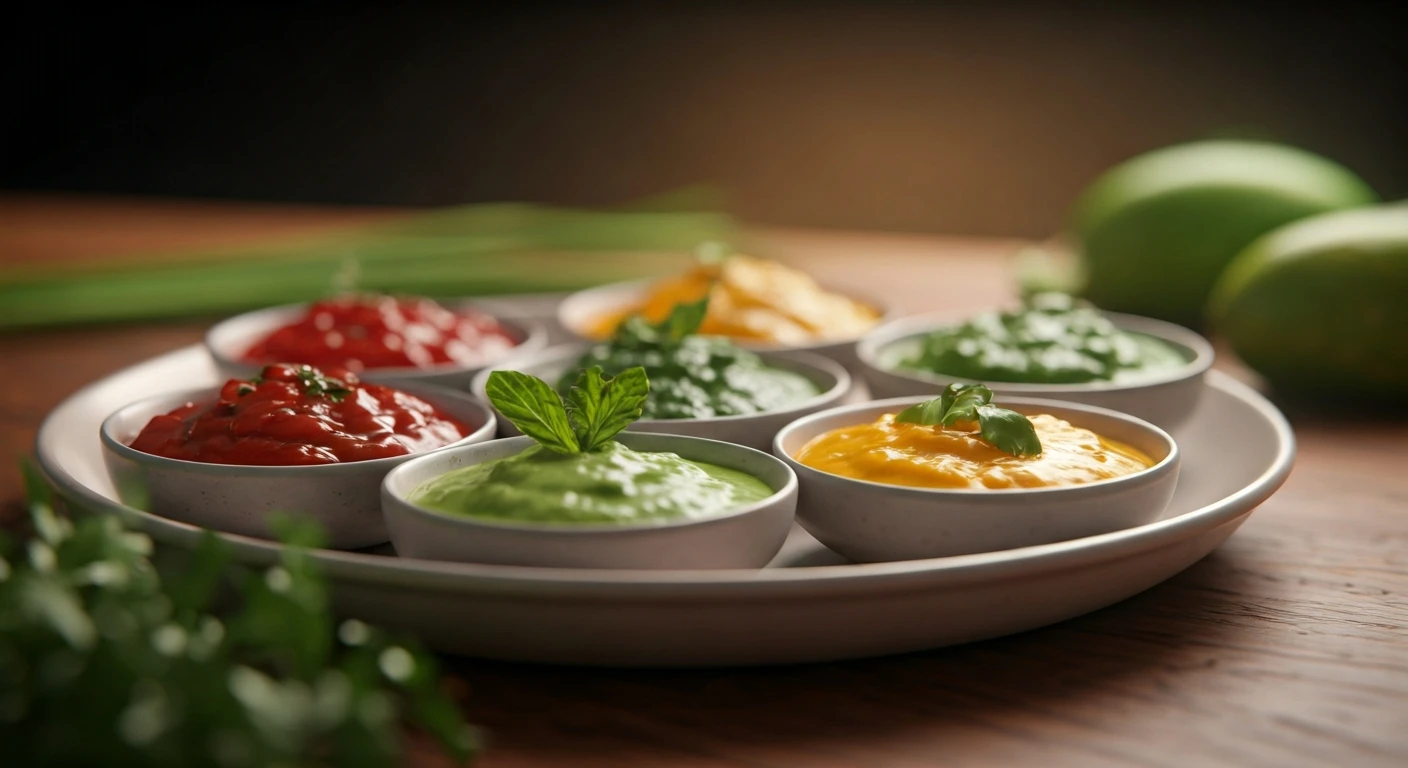
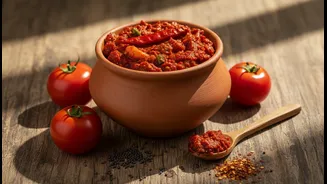
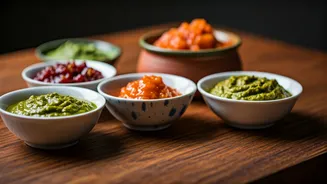
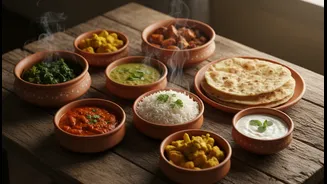
When people think of Gongura, the first thing that often comes to mind is Gongura Pachadi, a fiery and tangy pickle or chutney that is a staple condiment. A spoonful of this pachadi mixed with hot rice and a dollop of ghee is considered comfort food perfection by many. But its versatility extends far beyond the pickle jar. One of the most classic preparations is Gongura Pappu, a hearty dal where the leaves are cooked with lentils, imparting their signature sourness to the dish. It also pairs exceptionally well with meats, balancing the richness of dishes like Gongura Mamsam (mutton curry) and Gongura Royyalu (prawn curry). For a simpler meal, it can be used to make Gongura Pulihora, a flavourful rice dish that’s perfect for a quick and satisfying lunch.
How to Buy and Use It
When shopping for Gongura, look for fresh, vibrant leaves that are not wilted or yellowing. To prepare it, you just need to separate the leaves from the tougher stems. Wash them thoroughly to remove any grit. The leaves can be used immediately or stored in the refrigerator for a few days. One of the simplest ways to start is by making a basic sauté. Just wilt the leaves in a pan with some oil, green chillies, garlic, and salt. This simple mixture can then be ground into a fresh chutney or added directly to dals and curries. Don't be afraid to experiment; its sour notes can replace or complement other souring agents like tamarind or lemon in your cooking, opening up a new world of flavour.