






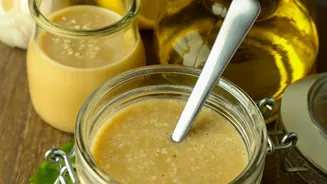
The Return to Traditional Oils
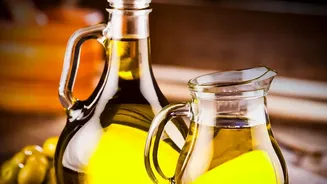
For generations, Indian kitchens ran on the distinct aromas of oils extracted using traditional methods. Cold-pressed oils, or 'ghani' oils, are making a well-deserved return from the shadows of refined alternatives. Unlike refined oils that undergo high-heat
processing and chemical treatments which strip them of their nutrients, cold-pressing is a mechanical process that gently extracts oil from seeds at low temperatures. This method ensures the oil retains its natural flavour, aroma, antioxidants, and nutritional value, making it a healthier choice for everyday cooking. The result is an oil that is not just a cooking medium, but an active ingredient that contributes flavour and character to your food.
Mastering Pungent Mustard Oil
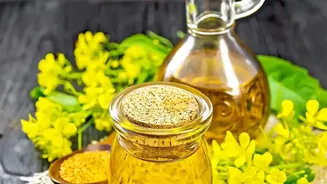
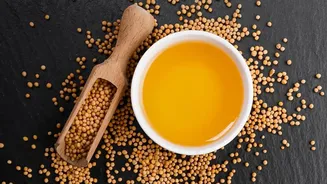
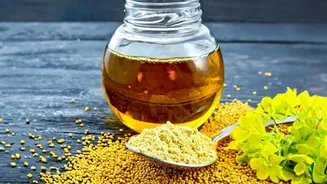
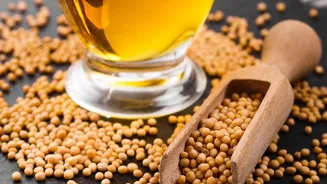
Mustard oil is the soul of many North and East Indian cuisines, from Punjabi curries to Bengali fish preparations. Its signature pungency comes from a compound called allyl isothiocyanate, which mellows into a warm, nutty flavour when heated correctly. For most dishes like 'Sarson da Saag' or 'Shorshe Maach' (mustard fish curry), it's best to heat the oil until it just starts to smoke lightly. This step is crucial for mellowing its sharp bite. With a high smoke point, it's excellent for tadkas, pickles, and shallow frying pakoras, where it adds an unmistakable traditional flavour that refined oils cannot replicate.
Savouring Nutty Sesame Oil
Known as 'gingelly' or 'til ka tel', sesame oil is a cornerstone of South Indian and some pan-Asian cooking. Revered for its distinct nutty aroma, it is rich in antioxidants and healthy fats. In the kitchen, it shines in medium-heat applications. Use it for tempering spices for sambar and rasam, where its flavour beautifully complements tamarind's tang. It's also the traditional choice for making podis and chutneys and for giving dosas a crisp, flavourful finish. A final drizzle over a finished dish can add a wonderful aromatic touch.
Embracing Versatile Groundnut Oil
Groundnut oil, or peanut oil, is a versatile, all-purpose cooking medium popular across Western and Southern India, especially in Gujarat and Maharashtra. It has a mild, nutty flavour that enhances food without overpowering it, making it suitable for a wide range of dishes from dals to sabzis. With a high smoke point of around 232°C, cold-pressed groundnut oil is exceptionally good for deep-frying snacks like samosas, bhajiyas, and vadas, ensuring they turn out crisp and golden. It’s also stable for sautéing and stir-frying, making it a reliable and healthy workhorse in the traditional Indian kitchen.
Essential Tips for Cooking with Cold-Pressed Oils
To get the most out of these liquid gold oils, a few rules apply. First, respect the smoke point; while groundnut and mustard oils are great for high heat, more delicate oils should be used for low-heat cooking or as a finishing drizzle to preserve their nutrients. Storing them correctly is also key. Keep your oils in a cool, dark place away from direct sunlight, preferably in dark glass bottles, to prevent them from going rancid and losing their potency. Finally, remember that the flavour is more concentrated. Often, you will find you need less cold-pressed oil than its refined counterpart to achieve a richer taste, which is a bonus for both your health and your wallet.