


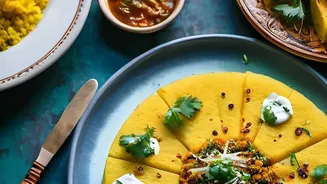

Back to the Roots with Ancient Grains
One of the most significant shifts in the modern Indian kitchen is the revival of ancient grains. For years, staples were dominated by refined wheat and rice. Today, however, wellness-focused consumers and chefs are championing a return to traditional
millets like ragi (finger millet), jowar (sorghum), and bajra (pearl millet). These grains, once considered humble fare, are now celebrated for their superior nutritional profiles. They are rich in fibre, protein, and essential minerals, and many are naturally gluten-free. This isn't about embracing a foreign trend like quinoa as much as it is about rediscovering India's own superfoods. You can now find millet-based dosa mixes, ragi cookies, and jowar rotis not just in health food stores but in mainstream supermarkets, reflecting a collective move towards more nutrient-dense carbohydrates.
Smarter Cooking, Same Great Taste
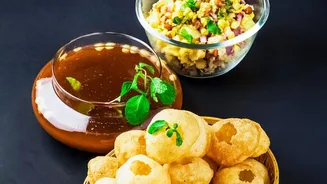
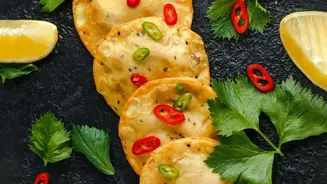
The adaptation isn't just about what's being eaten, but how it's being cooked. There's a growing awareness that traditional Indian cooking methods can be made healthier without sacrificing flavour. This includes simple but effective changes like baking or air-frying samosas and vadas instead of deep-frying them, reducing the amount of oil and ghee, and using techniques like steaming and grilling more often. Even everyday dishes are getting a modern wellness twist. For instance, chefs and home cooks are creating recipes for 'no oil, no boil' dishes that preserve the raw nutrients of the ingredients. The focus is on mindful preparation, proving that beloved Indian comfort foods can be both delicious and aligned with a healthier lifestyle.
The Plant-Based Powerhouse Evolves
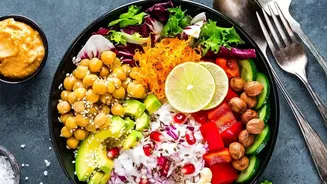
India has a long and rich history of vegetarianism, giving it a natural head start in the global shift towards plant-based eating. This tradition is now evolving to meet the specific demands of modern veganism and flexitarian diets. The Indian vegan food market is projected to grow significantly, driven by health, environmental, and ethical concerns. This trend is manifesting in creative ingredient swaps. Tofu is increasingly used as a substitute for paneer in curries, while dairy-based ghee is often replaced with cold-pressed coconut or groundnut oil. Restaurants and food brands are catering to this demand with dedicated vegan menus and products, making it easier than ever for consumers to enjoy plant-based Indian food that remains culturally authentic and flavourful.
Celebrating the Spice Box Pharmacy
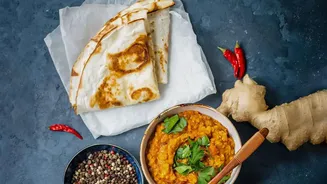
For centuries, Indian kitchens have doubled as home pharmacies, with spices used for both flavour and their medicinal properties. Today’s wellness-focused consumers are embracing this ancient wisdom with renewed enthusiasm. Spices like turmeric, known for its anti-inflammatory compound curcumin, ginger for digestion, and cinnamon for blood sugar management are no longer just background notes in a dish. They are being actively highlighted for their health benefits. Food brands are marketing products by emphasizing their 'turmeric-infused' or 'ginger-activated' qualities. This trend isn't about changing the ingredients but about changing the conversation, spotlighting the inherent functional benefits that have always been a part of traditional Indian cooking.
Mindful Snacking Takes Centre Stage
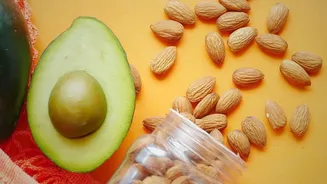
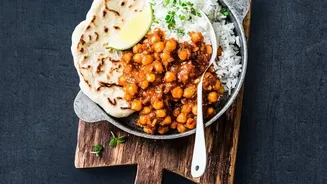
The culture around snacking is also undergoing a healthy transformation. Fried and sugary snacks are gradually being replaced by more nutritious alternatives that are often rooted in tradition. Makhana (fox nuts), once primarily a food for fasting, are now a mainstream roasted snack, prized for being light and crunchy. Similarly, nuts, seeds, and roasted chickpeas are replacing packaged biscuits as the go-to accompaniment for tea. This shift reflects a broader consumer desire for snacks that provide functional benefits like protein and fibre, moving away from empty calories toward mindful indulgence without sacrificing the satisfying crunch that Indian snackers love.