





The End of an Era
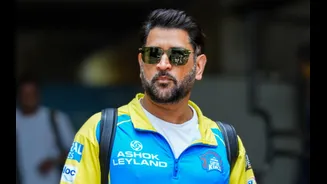
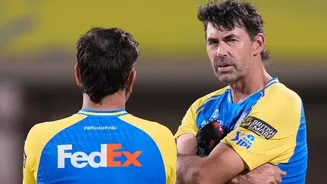
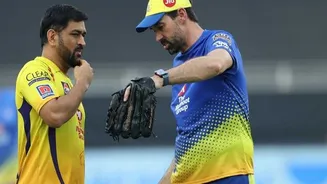
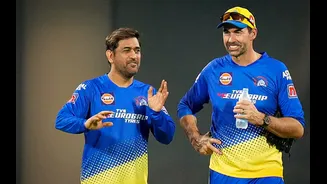
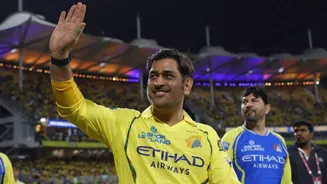
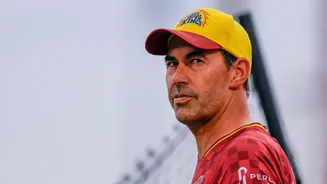
For 18 years, Stephen Fleming was the calm, tactical anchor in the Chennai Super Kings dugout. Alongside MS Dhoni, he forged one of the most successful dynasties in T20 history, winning five IPL titles. But after three consecutive seasons without making
the playoffs, the franchise and the Kiwi coach mutually decided to part ways in July 2026. This seismic shift has left CSK at a crossroads, needing a new guide to navigate the post-Dhoni landscape and rebuild. While names like Hemang Badani and Rahul Dravid are being discussed, a more creative, left-field option might just be the masterstroke the team needs. Enter Dinesh Karthik.
A Modern Tactical Mind
Since transitioning into commentary, Dinesh Karthik has earned widespread praise for his sharp, insightful, and modern analysis of the game. Unlike many of his peers, Karthik's analysis is not just descriptive; it is predictive and strategic. He has a knack for breaking down player matchups, dissecting field placements, and explaining the tactical nuances of T20 cricket with remarkable clarity. This is not just a player talking about the game; this is a strategic mind at work. His experience as a player who retired in 2024 means he is deeply familiar with the current generation of cricketers and the evolving demands of the shortest format. This blend of recent on-field experience and a sharp analytical eye from the commentary box is a rare and valuable combination for a modern coach.
A Player-First Philosophy
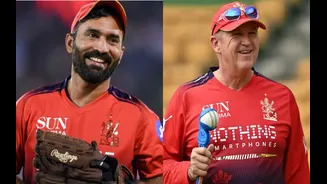
One of the hallmarks of the CSK culture is its unwavering support for players, creating a secure and empowering dressing room environment. Fleming and Dhoni were masters at backing their players through thick and thin, a philosophy that bred loyalty and consistent performance. Karthik, in his new mentorship roles, has expressed a similar coaching ethos. After retiring, he took on a position as batting coach and mentor for Royal Challengers Bengaluru, where he stressed the importance of understanding each player's individual needs rather than overcoaching. He believes in giving elite players the right inputs and trusting them to make decisions, a philosophy that aligns perfectly with the 'CSK way'. His ability to connect with both senior stars and emerging talent would be crucial in maintaining the team's famous camaraderie.
The Communication Advantage
A significant, and often overlooked, advantage Karthik brings is his exceptional communication skill, particularly in a Chennai context. Being from Tamil Nadu, he is fluent in Tamil, the language that binds the franchise to its passionate fanbase. This local connection cannot be understated. While cricket is a universal language, the ability to communicate with local players, staff, and the wider community in their native tongue fosters a deeper sense of belonging and identity. Furthermore, his articulate and engaging style in English, honed in the world's best commentary boxes, ensures he can clearly convey complex strategies to a diverse, international dressing room. This bilingual fluency is a powerful tool for a head coach in the IPL.
The Counterargument: Lack of Experience
Of course, appointing Karthik would not be without risk. The most significant counterargument is his lack of experience as a head coach at the highest level. While he has taken on mentorship roles with RCB and London Spirit, leading an entire franchise is a different challenge altogether. CSK would be trading the proven, steady hand of Fleming for a rookie coach. The franchise has historically valued stability and process, making a move for an untested coach seem uncharacteristic. However, every great coach was once a rookie. By appointing Karthik, CSK would be betting on potential, tactical acumen, and cultural fit over a long coaching CV, a bold move that could either usher in a new golden era or prove to be a difficult transition.