
Why Go Vertical?
For city dwellers, especially in apartments across India, floor space is precious. The vertical gardening trend addresses this directly by transforming overlooked surfaces into vibrant, living canvases. Instead of competing for limited floor area, you
grow upwards. This approach not only maximises your growing space but also brings greenery to eye level, creating a more immersive and visually appealing environment. A vertical garden can serve as a privacy screen, a natural air purifier, and a source of fresh herbs right outside your kitchen window. It’s a smart, stylish, and sustainable solution for integrating nature into modern urban life, turning bare walls and unused railings into productive and beautiful features.
Transforming Your Walls
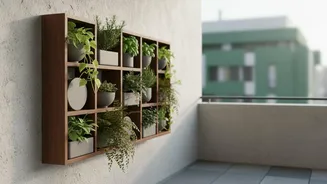
A blank wall, whether on a balcony or inside your living room, holds immense potential. One of the most popular methods is using wall-mounted planters or shelves, which can be arranged in countless creative configurations. Modular green wall panels offer a sleek, professional look, creating a solid ‘living wall’ effect. For a more budget-friendly or DIY approach, fabric pocket planters are an excellent choice, perfect for growing a variety of shallow-rooted plants like herbs and succulents. You can also install a simple trellis against the wall for climbing plants like Money Plant or Jasmine to creep up, adding a soft, natural texture to your space with minimal footprint. These methods allow you to add a splash of green and personality to any vertical surface.
Making the Most of Railings
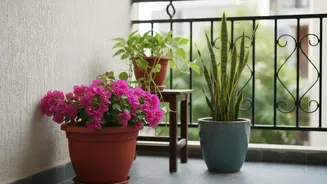
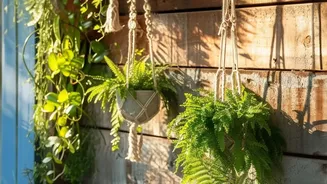
Balcony railings are often the most underutilised asset in an apartment garden. Railing planters are designed to clip or hook directly onto these structures, requiring no tools and instantly creating new planting real estate. These are perfect for creating a line of colourful flowers or a handy herb garden with plants like mint, tulsi, and coriander. You can find them in various materials, from durable plastic to decorative metal, to match your aesthetic. Beyond standard boxes, consider using hanging baskets suspended from the railing at different heights to add depth. This not only saves floor space but also ensures the plants receive ample sunlight, turning a simple boundary into a lush, thriving border.
Choosing the Right Plants
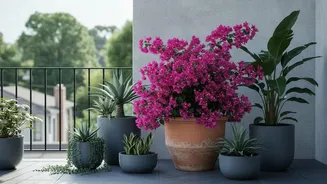
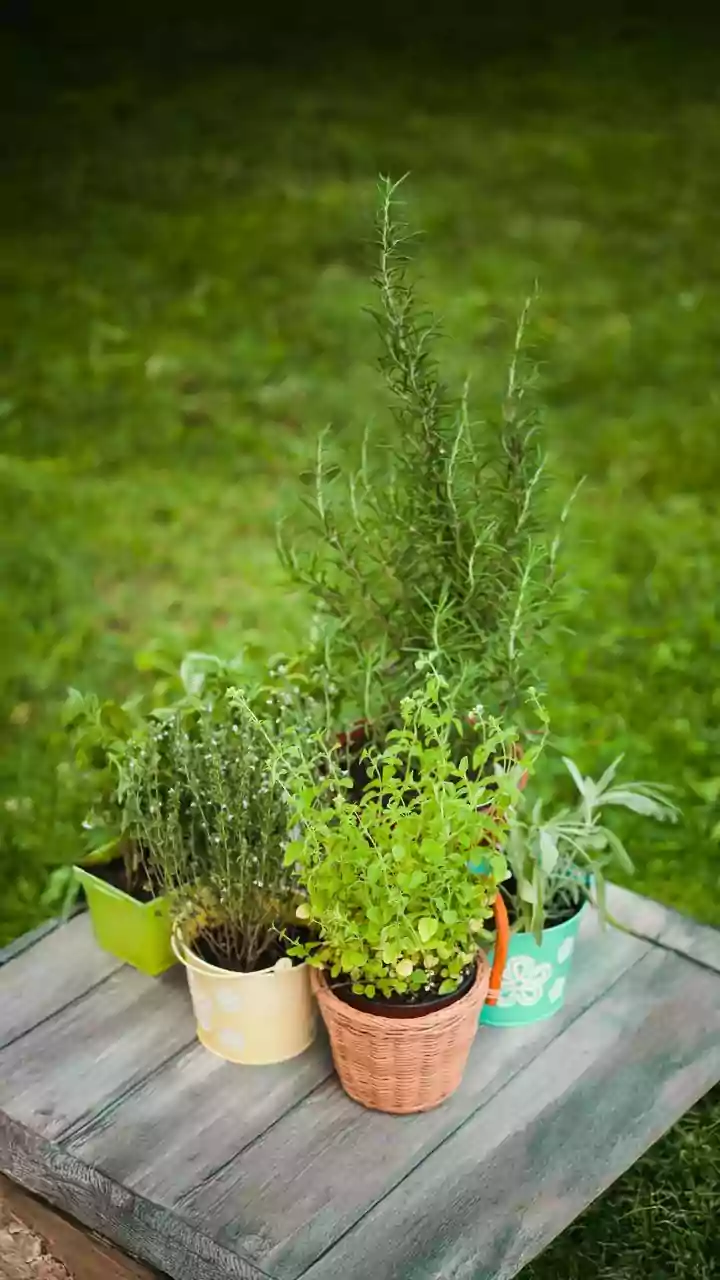
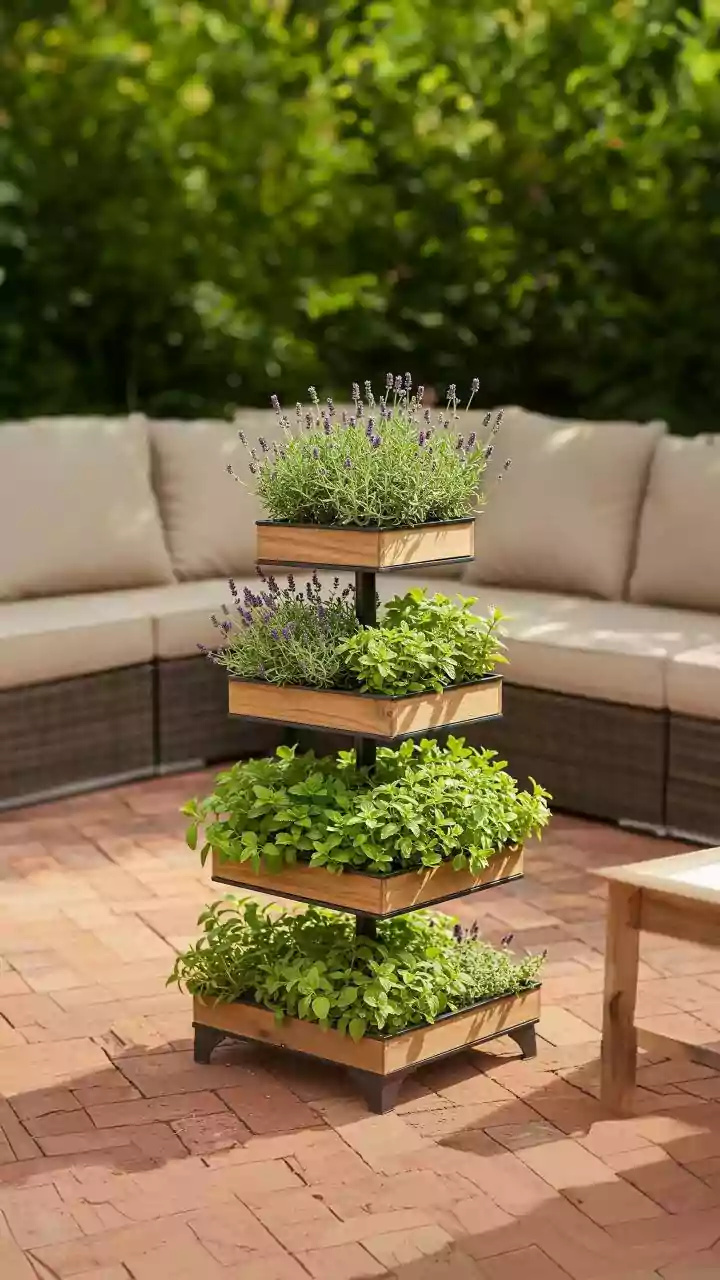
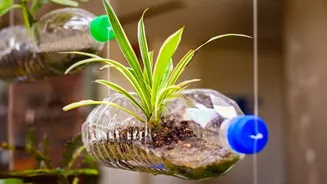
The success of your vertical garden hinges on selecting the right plants for the containers and the Indian climate. For sunny, exposed walls and railings, opt for heat-tolerant varieties. Bougainvillea, Portulaca (Office Time), and Vinca (Sadabahar) provide vibrant colour and thrive in direct sun. In shadier spots, forgiving plants like Money Plant (Pothos), Spider Plant, Syngonium, and various ferns will flourish, creating a lush, green look. Many herbs are also perfectly suited for vertical setups; mint, coriander, ajwain, and chillies do well in railing boxes with adequate sun. When choosing, consider that plants in vertical setups have less soil, so drought-tolerant species are often a smart choice.
Essential Care and Tips
Maintaining a wall or railing garden has its own set of rules. Firstly, use a lightweight potting mix and planters to avoid putting excessive strain on your walls or railings. Drainage is crucial; ensure every container has holes to prevent waterlogging. Vertical gardens, especially those in sunny spots, can dry out faster than traditional pots, so check the soil moisture regularly. When watering, it’s often efficient to water from the top down, letting the excess drip to the plants below. A small watering can with a long spout can be invaluable for reaching higher pots. With a little attention to these details, your vertical garden will not only survive but thrive.