





The Monsoon Health Connection
The rainy season in India, or Varsha Ritu, has long been associated with a need for dietary caution. According to Ayurvedic wisdom, the monsoon dampens the body's digestive fire, or 'Agni', making it weaker. This can lead to issues like bloating, indigestion,
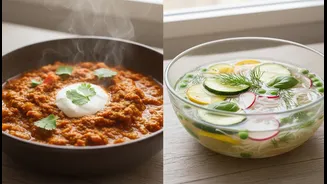
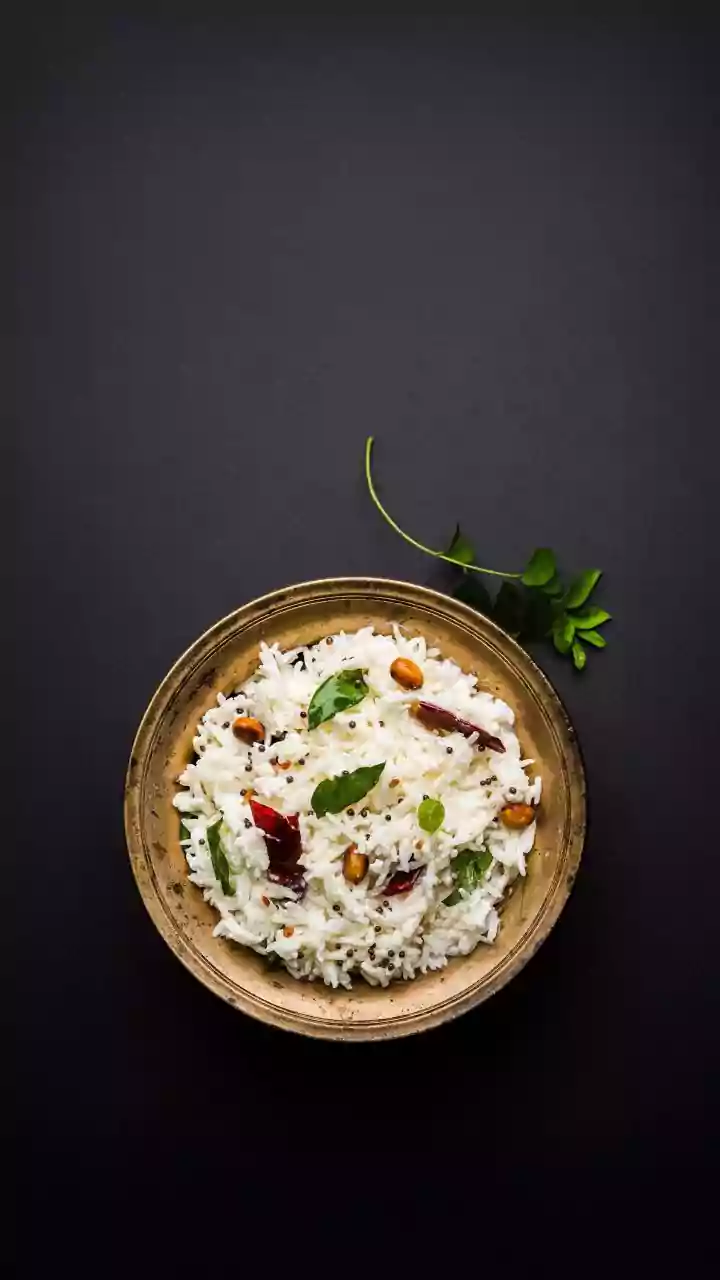
and a general feeling of sluggishness. Modern dietetics agrees, noting that the high humidity can slow metabolism and increase the risk of waterborne infections. The traditional prescription is to favour warm, light, and easily digestible foods. This is where the bowl comes in. A warm bowl of khichdi, dal-rice, or vegetable soup is not just comforting; it's also perfectly aligned with the season's health requirements. These meals are typically cooked, which reduces the risk of contamination common with raw foods like salads during this season.
Engineered for Efficiency
For the modern tech professional, whose life often revolves around tight deadlines, back-to-back virtual meetings, and long hours staring at a screen, convenience is paramount. The meal-in-a-bowl concept is perfectly engineered for this fast-paced lifestyle. It's a single-vessel meal that's easy to eat, often with just a spoon, making it ideal for a quick lunch at the desk without creating a mess. There's no need for multiple containers or complex assembly. This trend is so pronounced that food delivery platforms have curated 'desk-friendly' meal sections, many of which are bowl-based, catering directly to corporate and tech parks. The format eliminates the decision fatigue of picking multiple components of a meal, offering a complete, balanced option in one convenient package.
A Complete Meal in a Single Curve
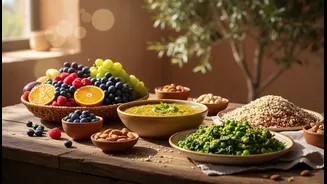
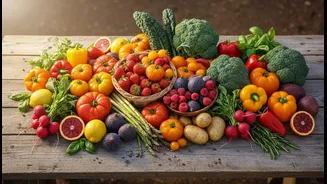
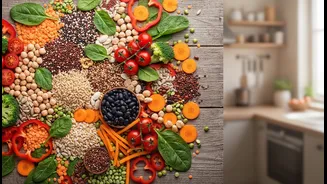
The allure of the bowl goes beyond mere convenience. It has become a symbol of mindful, healthy eating. The very structure of a bowl encourages a balanced composition of ingredients. So-called 'Buddha bowls' or 'power bowls' are designed to include a healthy grain like quinoa or brown rice, a protein source such as paneer or chickpeas, a variety of colourful vegetables, and a flavourful dressing. This format provides a well-rounded mix of carbohydrates, proteins, vitamins, and fibre in one go. It also makes portion control intuitive. A bowl feels substantial and satisfying, which can help prevent overeating, a common concern when digestion is already sluggish during the monsoon. For the health-conscious tech worker, a bowl is not just a meal; it's a nutritionally complete and visually appealing choice that aligns with their wellness goals.
The Psychology of Comfort
There's an undeniable emotional comfort in holding a warm bowl, especially when it's grey and rainy outside. The act of cupping a bowl in one's hands can feel grounding and soothing, evoking feelings of home and safety. For many Indians, the ultimate comfort food is a simple bowl of dal-chawal or khichdi, meals intrinsically linked to childhood and care. The modern meal bowl taps into this deep-seated cultural connection. It’s a contemporary evolution of a traditional format, offering both novelty in ingredients and familiarity in form. On a dreary monsoon day, when the lower levels of sunlight can affect mood by reducing serotonin production, a warm and nourishing bowl provides both a physical and psychological lift.
What's Trending in the Bowl?
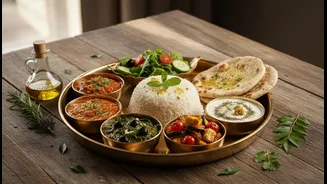
The bowls being consumed are as diverse as India's culinary landscape. They range from modern interpretations of classics to globally inspired creations. Khichdi, once seen as food for convalescence, is being reimagined with millets and superfoods. Salad bowls, adapted for the monsoon, feature steamed or lightly cooked vegetables instead of raw greens. Quinoa bowls with grilled vegetables and paneer, Mexican-style burrito bowls with rajma and corn, and Asian-inspired bowls with noodles and tofu are all popular choices ordered from cafes or assembled in home kitchens. The common thread is a focus on fresh, cooked, and flavourful ingredients that nourish the body without weighing it down, making it the perfect culinary companion for the tech world this rainy season.