





The Green Wave in the Gig Economy
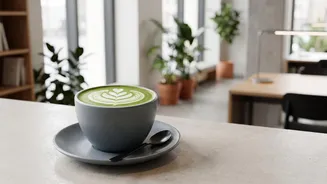
Walk into any trendy cafe in Mumbai, Bengaluru, or Delhi, and you're likely to see the striking green hue of matcha lattes dotting the tables. Once a niche product associated with traditional Japanese tea ceremonies, matcha has firmly entered India's
mainstream beverage culture. Its rise is particularly notable among the growing ranks of urban freelancers, a demographic that thrives on flexibility but requires sustained mental output. For them, the daily battle isn't just about meeting deadlines, but managing their own energy and focus without the structure of a traditional office. This search for a better productivity tool has led many away from the quick, jarring jolt of espresso and toward the gentle, steady lift of matcha.
Not Just Another Tea: The Science of Calm Focus
So, what makes matcha different? The secret lies in a unique chemical partnership between caffeine and an amino acid called L-theanine. While coffee provides a sharp spike of caffeine that can often lead to jitters and an eventual crash, matcha offers a smoother experience. L-theanine is known to promote relaxation and reduce stress by increasing alpha brain waves—the same ones associated with a state of meditative calm. When paired with caffeine, it creates a state of 'calm alertness'. This synergy provides a sustained energy boost that can last for hours, enhancing focus and attention without the nervous edge. Studies suggest this combination can improve reaction times and reduce distractions, making it ideal for deep work sessions.
Why Coffee's Buzz Is Losing Its Edge
For many freelancers, the coffee ritual is a double-edged sword. The initial burst of energy is effective, but the subsequent crash can be brutal, leading to a cycle of dependency and diminishing returns. The high levels of adrenaline triggered by coffee can sometimes increase anxiety and mental fog, which is counterproductive for tasks requiring creative problem-solving or meticulous detail. Matcha, in contrast, provides a more stable and enduring energy curve. This makes it better suited for the long, unstructured hours of freelance work, where managing mental stamina is key to a productive day. The move towards matcha reflects a broader shift in wellness culture, where professionals are seeking functional benefits and long-term balance over quick fixes.
A Ritual for the Modern Workday
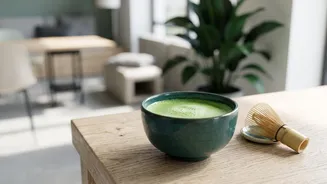
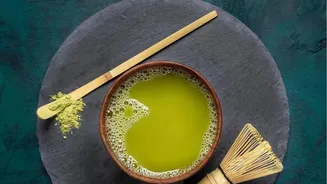
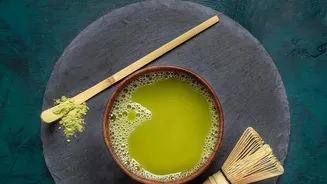
Beyond its chemical benefits, part of matcha's appeal is the ritual itself. The traditional Japanese tea ceremony, or 'Chadō' (The Way of Tea), is an exercise in harmony, respect, and mindfulness. While a freelancer's five-minute preparation at their desk is a far cry from a formal ceremony, the simple act of whisking the vibrant powder into hot water offers a moment of pause. This small, mindful break can be a powerful tool to reset focus during a hectic day, contrasting sharply with the instant, often mindless, consumption of coffee. It transforms a simple caffeine break into a deliberate wellness practice, aligning perfectly with the growing emphasis on mental well-being and stress management in today's demanding work culture.