




The Foundation of ‘Skinimalism’
For years, the minimal makeup movement, often called ‘skinimalism’, was a direct response to the heavy, multi-step routines that once flooded social media. The philosophy was simple: use fewer, better products to let your natural skin shine through. This
meant swapping full-coverage foundations for lightweight skin tints and focusing on a healthy, authentic complexion rather than a perfectly masked one. This trend resonated deeply as people began prioritising skin health over concealment, a shift accelerated during the pandemic. The core idea was that good skincare is the best makeup, and your routine should enhance, not hide, your real skin. Consumers started editing their routines down to a few essential, effective products, a move away from the overconsumption of the past.
Enter the Era of Hyper-Specific Aesthetics
Just as we got used to the idea of a simple, dewy base, the trend splintered into a fascinating array of specific finishes. You've likely heard the buzzwords: 'glass skin,' 'glazed donut skin,' and the latest arrival, 'cloud skin'. 'Glass skin,' a K-beauty staple, is about achieving a poreless, translucent, and intensely hydrated look that appears almost wet. Then came 'glazed donut skin,' which takes the glow a step further with balms and thicker products for a high-shine, cushiony finish. The key difference is texture and intensity; glass skin is a subtle, reflective sheen, while glazed skin is an intentionally obvious, dewy radiance. This evolution shows a move from just 'less makeup' to a more deliberate choice about the kind of finish you want to achieve.
The Newest Obsession: Cloud Skin
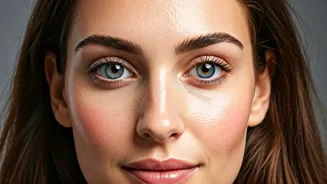
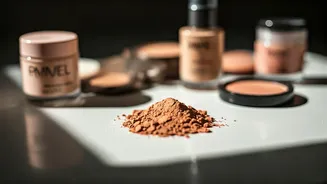
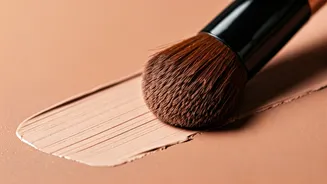
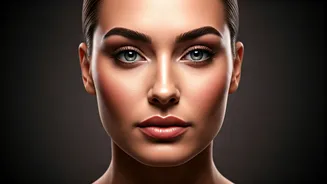
The latest evolution in minimal makeup for 2026 is 'cloud skin'. This trend strikes a balance between the super-dewy looks and a classic matte finish. Described as a soft-focus, velvety complexion with a lit-from-within glow, it mimics the way light diffuses through a cloud. It’s a hazy, dreamy finish that blurs imperfections without feeling heavy or cakey, almost like a real-life filter. This look is achieved by strategically using modern matte foundations that are lightweight and breathable, combined with luminous products. You might prep skin for hydration, use a soft-matte foundation, and then add a powder only in specific areas like the T-zone to control shine while leaving other areas glowing. It's the perfect evolution for those who love a minimal look but need something with a bit more staying power or a less shiny finish.
It’s Not No Makeup, It’s Smart Makeup
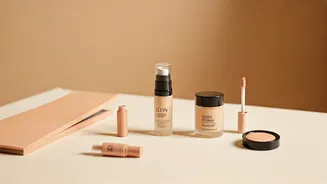
The modern take on minimalism isn't about looking like you have nothing on. Instead, it’s about intentional, balanced application. The rule for 2026 seems to be one bold feature balanced with an otherwise soft look. This could mean pairing a breathable, 'cloud skin' base with a striking blurred lip or a graphic eyeliner. The focus has shifted to hybrid products that combine skincare benefits with makeup, such as hydrating skin tints, serum-infused foundations, and cream blushes that nourish the skin. The goal is to enhance features intelligently. A single cream blush can be used on cheeks, lips, and even eyelids for a cohesive, quick look. It’s less about a long list of products and more about using multi-tasking heroes that make an impact.
Adapting the Trend for Indian Skin
For Indian skin tones, the evolution of minimal makeup is particularly welcome. The 'no-makeup' look is best achieved with a skin tint or BB cream rather than a heavy foundation, allowing the natural skin texture to show. When it comes to blush, a cream or tint formula provides a natural flush that looks like it's coming from within the skin, which is key to this aesthetic. For lips, choosing a nude shade that is one or two tones deeper than your natural lip colour prevents the washed-out look and creates a polished finish. Given the often humid climate, the 'cloud skin' trend with its soft-matte properties can be a game-changer, offering a glow that doesn't veer into excessive oiliness. It’s about choosing the right formulas to work with your skin and the environment, not against them.