








A recent rail collision in Spain has cast a shadow over high-speed travel, raising natural questions about the safety of India's own ambitious bullet train project. Is it a fair comparison, or are the two systems worlds apart in design and safety?
A Distant Warning Signal
Any
major rail incident, regardless of where it occurs, serves as a sobering reminder of the immense responsibility that comes with operating complex transportation networks. The recent collision in Spain, a country with a developed high-speed rail system, has understandably caused concern globally. While the specific causes of that incident are still under investigation, it immediately prompts a crucial question for India: as we build our own network, are we learning the right lessons from both the successes and failures of others?
India's Bullet Train: Project Status
India's foray into high-speed rail is spearheaded by the Mumbai-Ahmedabad High-Speed Rail (MAHSR) corridor. As of late 2026, the 508-kilometre project is significantly advanced, with much of the elevated viaduct and pier work completed, especially in the Gujarat section. The project, which is being developed with technical and financial cooperation from Japan, is expected to see its first section become operational by 2027. Beyond this inaugural line, the government has approved seven new corridors, signaling a massive expansion of the network across the country in the coming years.
The Shinkansen Shield: A Philosophy of Safety
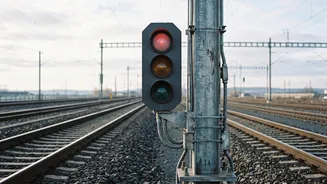
The critical difference for the MAHSR project lies in its technological foundation: Japan’s Shinkansen system. This isn't just a fast train; it's a complete, integrated ecosystem built on a 'crash avoidance principle'. The Shinkansen boasts an unparalleled safety record, with zero passenger fatalities from collisions or derailments in over 60 years of operation. This is achieved through a combination of dedicated tracks, an Automatic Train Control (ATC) system, and advanced disaster prevention measures. The ATC system continuously monitors train positions and automatically applies brakes to prevent collisions, making human error far less likely to cause a catastrophic failure.
Not All High-Speed Rails Are Equal
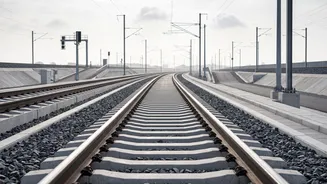
A key reason for the Shinkansen's safety record is that its trains run on fully dedicated and segregated tracks. There are no level crossings, and the lines are not shared with slower, conventional trains. This eliminates many of the risks that can exist on other networks around the world, which sometimes upgrade existing lines or have high-speed trains sharing tracks with other services. Furthermore, the system is designed for resilience against natural disasters. Japan, being in a highly seismic zone, developed an urgent earthquake detection system that automatically cuts power and applies emergency brakes at the first sign of a tremor, often before the most severe shaking begins.
Beyond Technology: Maintenance and Training
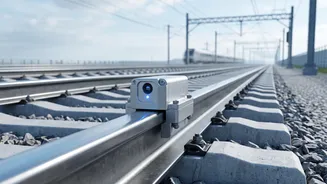
The Japanese model also emphasizes meticulous maintenance and rigorous training. Special diagnostic trains, nicknamed 'Doctor Yellow', regularly inspect tracks and overhead wires at high speeds to detect any anomalies before they become problems. This proactive approach to maintenance is a core part of the safety philosophy. For the Indian project, this means not just importing Japanese hardware, but also adopting this culture of precision and operational discipline. The success of India's bullet train will depend as much on the people running and maintaining the system as it does on the advanced technology itself. While India is also developing its own indigenous high-speed trains, the initial corridor is being built firmly on this proven Japanese template.