



From Pandal to Living Room
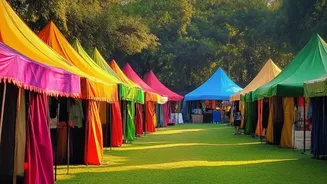
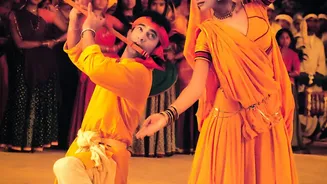
The vibrant energy of Navratri, once concentrated in community pandals and midnight garba circles, is now flowing into our homes. For many families, the nine nights are no longer just about prayers and fasting; they are an opportunity to create an immersive
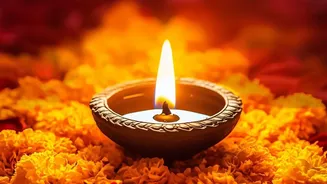
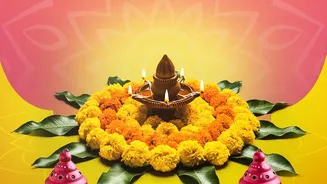
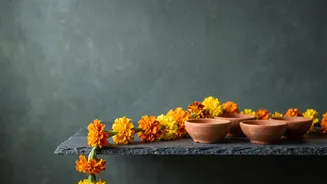
festive atmosphere that lasts the entire duration of the festival. This shift involves decorating the entire home, not just the pooja corner, turning living spaces into a reflection of the joyous, spiritual mood. The entrance, in particular, has become a focal point, with elaborate flower torans, rangolis, and decorative diyas creating a grand welcome that sets the tone for the celebration within. This trend signifies a deeper engagement with the festival, where personal expression and hospitality are becoming as important as the public rituals.
The Curated Home Aesthetic
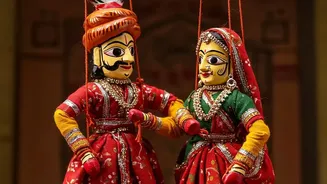
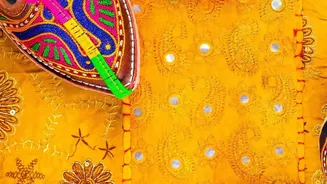
Gone are the days of using the same decorations year after year. Today’s Navratri styling is more thoughtful and intentional. A major trend is the rise of sustainable and eco-friendly decor. People are increasingly opting for hand-painted clay diyas, jute wall hangings, bamboo baskets, and torans made from upcycled fabrics like old sarees or dupattas. This not only supports local artisans but also aligns with a growing environmental consciousness. Another popular approach is colour-themed decoration, where each day's decor subtly reflects the specific colour associated with that day of Navratri. This is often achieved with fresh flowers, cushion covers, and table runners, allowing for a dynamic and evolving aesthetic throughout the nine nights. Brass and copper utensils, urlis filled with water and floating petals, and traditional folk art are also being used to add an authentic, elegant touch.
A Culinary Tour of India
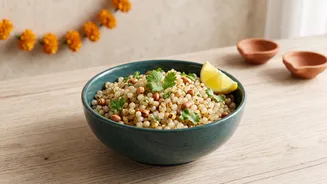
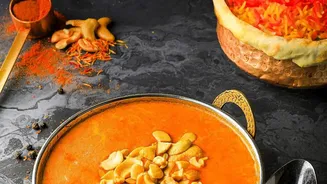
The food landscape of Navratri is undergoing a delicious transformation. While traditional vrat (fasting) staples remain beloved, there is a growing curiosity about how the festival is observed in different parts of the country. This has led to a culinary exploration where families are trying regional Navratri dishes at home. A fasting meal might now include Sabudana Khichdi from Maharashtra, Kuttu ki Puri with Aloo Curry from Himachal Pradesh, or the nutritious Sundal from Tamil Nadu. This culinary diversity is not just about taste; it’s a way of connecting with India’s rich cultural tapestry. Restaurants have also embraced this trend, offering elaborate Navratri thalis that go far beyond the basics. These special menus often feature a balanced spread of grains like samak rice, fasting flours like buckwheat and water chestnut, and creative dishes that are both nourishing and indulgent, making the fasting period a feast in itself.
Why Tradition is Getting a Makeover
Several factors are driving this evolution in Navratri celebrations. Social media platforms like Instagram and Pinterest play a significant role, serving as a vast lookbook for decoration ideas and recipes, inspiring people to personalize their festivities. The visual nature of these platforms encourages a more aesthetic approach to everything from floral arrangements to thali presentation. Simultaneously, there's a renewed interest in heritage and authenticity. The trend towards using handmade crafts, regional recipes, and eco-friendly materials reflects a desire to connect with cultural roots in a more meaningful way. It's less about blind observance and more about a conscious celebration that blends the old with the new. This fusion allows for individual creativity while honouring the spiritual core of the festival, creating new traditions that are passed down to younger generations.