





Why Your Small Space Matters
In an urban environment, natural habitats are often broken into small, isolated pockets. This habitat fragmentation makes it difficult for wildlife like birds, bees, and butterflies to travel, find food, and reproduce. [22] Your terrace garden can act
as a crucial 'stepping stone' or a green corridor, connecting larger green spaces like parks and wetlands. [25] These small patches provide a place for pollinators and birds to rest and refuel on their journey across the city. [9, 25] By creating these micro-habitats, you contribute to a larger network that supports the city's overall ecological health, making urban areas more resilient and capable of supporting diverse wildlife. [7, 22] Collectively, these individual efforts create a significant positive impact on local biodiversity.
Choosing the Right Plants
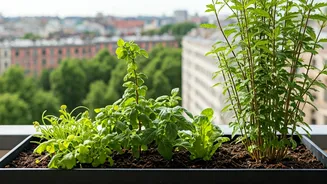
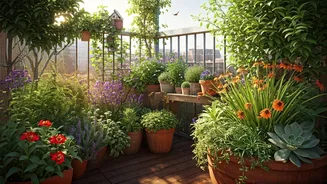
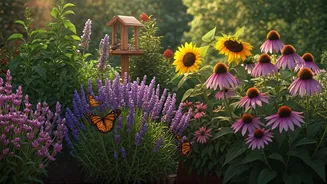
The foundation of any biodiversity-friendly garden is its plant selection. Prioritising native species is one of the most effective strategies. [26] Native plants are adapted to the local climate and soil, meaning they generally require less water and are more resistant to pests. [10] More importantly, they have co-evolved with local wildlife, providing the specific food and shelter that native insects and birds need to thrive. [28] For Indian terraces, consider hardy, nectar-rich flowering plants like Marigolds, Hibiscus, Ixora, and Jasmine. [18] Sunflowers are also excellent, as their seeds provide a vital food source for birds like sparrows and finches. [18] Herbs such as Tulsi (Holy Basil), Mint, and Rosemary are not only useful in the kitchen but also attract a host of beneficial insects. [17, 18]
Welcome Pollinators and Birds
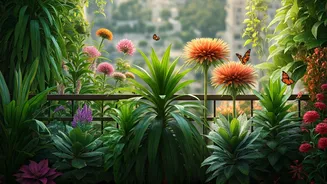
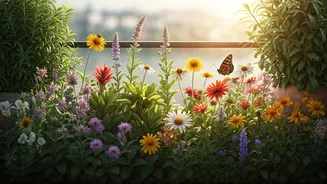
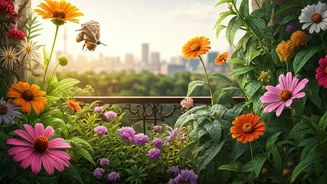
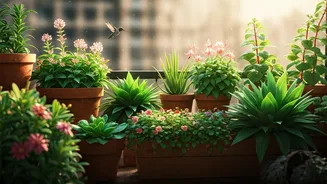
To truly bring your terrace to life, you need to attract the creatures that form the backbone of a healthy ecosystem. Bees, butterflies, and birds are not just delightful to watch; they are essential pollinators. [5] You can attract them by planting a variety of flowers with different colours, shapes, and blooming seasons to ensure a continuous food supply. [8, 17] For example, the clustered, nectar-rich flowers of the Ixora are a favourite of sunbirds, while the vibrant blooms of Marigolds and Zinnias are magnets for butterflies. [15, 18] Beyond flowers, providing a source of fresh water is critical. A simple, shallow dish of water with pebbles or stones for landing spots can serve as a much-needed birdbath. [17] It's also crucial to avoid chemical pesticides and fertilisers, which can be lethal to pollinators. [10, 17] Opt for natural alternatives like neem oil spray to manage pests. [10]
Create a Multi-Layered Habitat
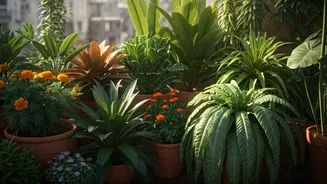
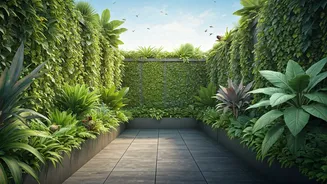
A truly effective terrace habitat mimics the structure of a natural ecosystem. This means creating layers. [10] Use a mix of plant types to build vertical diversity. [8] Incorporate tall plants like dwarf fruit trees (lemon or guava in large pots) or sunflowers to create a canopy layer. [20] Add shrubs and bushy plants like hibiscus or bougainvillea for an understory, which provides shelter and nesting spots for birds. [18, 25] Use climbers and creepers on a trellis to maximize vertical space. Finally, add ground cover and smaller herbaceous plants. This layered approach not only makes your garden more visually interesting but also creates a variety of niches that can support a wider range of wildlife. [8] Different species have different needs for food and shelter, and a multi-layered garden caters to more of them.
The Benefits Go Both Ways
Creating a biodiverse terrace isn't just a gift to nature; it's a gift to yourself. Engaging with nature, even on a small scale, has proven therapeutic benefits, reducing stress and improving mental well-being. [9, 14] Plants act as natural air purifiers, helping to improve the air quality around your home. [5, 12] Furthermore, the vegetation provides natural insulation and shading, which can help reduce the urban heat island effect and lower indoor temperatures, potentially cutting down on air-conditioning costs. [9, 12] A terrace garden can also become a source of fresh, organic produce, from herbs to vegetables, reducing your reliance on commercially grown food. [12, 13] It’s a tangible, rewarding way to live more sustainably and reconnect with the natural world amidst the hustle of city life. [9]